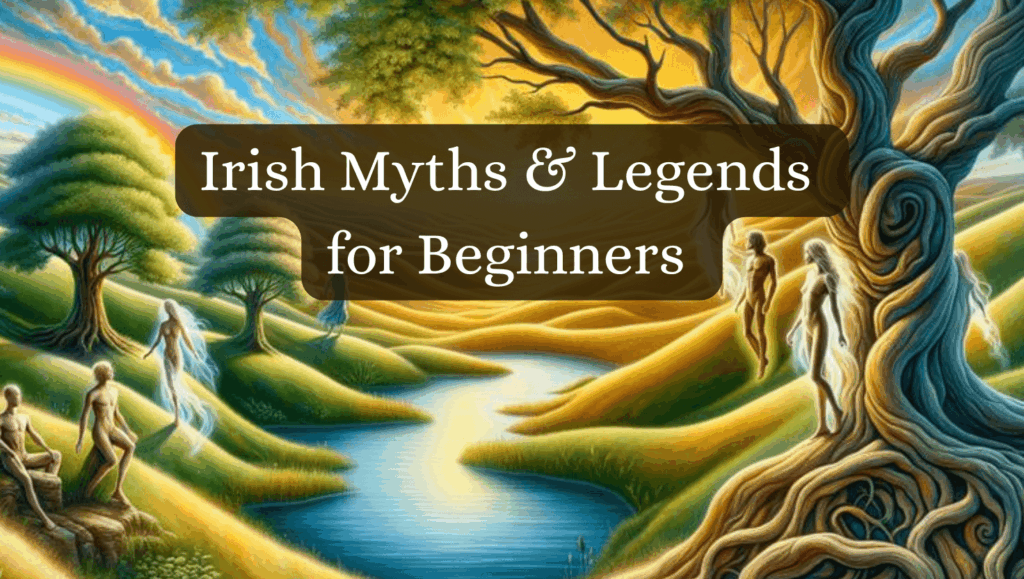

For thousands of years, the rich tapestry of Irish myths and legends has been passed down through generations, not in books, but through stories told aloud by storytellers and poets, and songs sung around fires. These tales, full of magic, heroes, and gods, were a vital part of ancient Irish culture.
It wasn’t until Christian monks began writing these stories down in medieval manuscripts that they were preserved for future generations. The monks carefully recorded the oral traditions, blending older pagan tales with new Christian ideas, which is why Irish mythology is a unique mix of the mystical and the spiritual.
These myths and legends were more than just entertainment. They helped people make sense of the world, explaining natural phenomena, human behavior, and the cycles of life and death. They taught lessons about courage, loyalty, wisdom, and respect for nature – values that were essential for survival in ancient Ireland.
In this article, you’ll discover 10 timeless Irish myths and legends for beginners, each carefully retold with detailed insights into their lessons and why they remain relevant today. As a bonus, we’ll also explore the fascinating myth behind the creation of the River Shannon, one of Ireland’s most famous natural landmarks.
Whether you’re new to Irish mythology or looking to deepen your understanding, these stories offer a captivating glimpse into Ireland’s mystical past and enduring spirit.
Ireland Travel Tools
If you are planning a trip to Ireland, these top-recommended links below feature some of the best deals and trusted options out there – from transportation to hotels and more.
Let’s be honest, Ireland is expensive enough (have you seen the price of a pint?), so let’s save where we can and spend more on the fun stuff!
- Flights to Ireland: Compare on Trip.com
- Hotels in Ireland: Book on Trip.com
- Car Rentals in Ireland: Search deals on DiscoverCars
- eSIM for Ireland: Buy with Drimsim – a virtual eSIM delivered within minutes
- Travel Insurance for Ireland: Get the best cover with World Nomads
- Discover affordable Irish tours: some are a LOT more affordable than others, so choose wisely.
Understanding the Irish Otherworld: Samhain, Fairies, and Ancient Beliefs
Central to many Irish myths and legends is the concept of the Otherworld – a mystical realm existing alongside our own, where gods, spirits, and supernatural beings dwell. The Irish believed this world was accessible at certain times, especially during Samhain, the ancient festival marking the end of the harvest season and the start of winter.

Did you know that Halloween originated in Ireland from this very festival? It was thought that during Samhain, the veil between the mortal world and the Otherworld grew thin, allowing spirits to cross over.
The landscape itself was seen as alive with these magical connections. Fairy forts, fairy rings, and fairy trees were considered sacred places and believed to be portals to the Otherworld. These sites were treated with great respect, and disturbing them was thought to bring bad luck or misfortune. Even today, no Irish person would dare walk through a fairy ring!
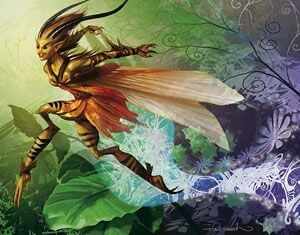
It’s also important to note that the traditional Irish fairies, or “Aos Sí,” are very different from the modern image of tiny, winged creatures. In Irish mythology, fairies are powerful, mysterious beings connected deeply to nature and the land, capable of great kindness or mischief, and sometimes danger. Understanding these beliefs helps us appreciate the depth and complexity of Irish folklore beyond popular stereotypes.
Timeless Irish Myths and Legends for Beginners
Now that you’ve had a glimpse into the enchanting world of Irish mythology, let’s explore some of its most timeless and unforgettable legends.
1. The Children of Lir: A Story of Endurance and Transformation
One of the most famous Irish myths and legends for beginners is the tale of the Children of Lir.
This ancient story speaks of four siblings – Fionnuala, Aodh, Fiachra, and Conn. Their mother died young, and their bond with their father became even stronger.
To help raise his children, Lir married Aoife, the sister of his deceased wife. But Aoife, jealous of the deep love between Lir and his children, turned to dark druidic magic – a theme that recurs throughout many traditional Irish folktales.
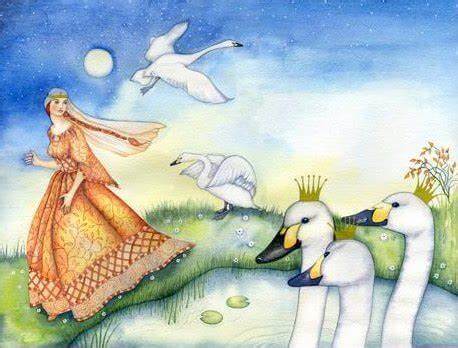
In one of the most tragic moments in all Irish myths and legends, Aoife transformed the children into swans using a powerful curse and condemned them to spend 900 years wandering lakes and rivers.
Though transformed, they retained their human voices and intellect, and their sorrowful singing became legendary across Ireland.
When Christianity finally reached Ireland, a kind monk named Caomhóg discovered the swans and recognized the sacred nature of their suffering. With the rising of the Christian bell, the spell was broken, but the children returned to human form as aged beings.
Soon after being baptized, they passed away and were buried together, symbolizing peace after centuries of sorrow.
The story of the Children of Lir is part of the broader cycle of Irish mythology that teaches valuable lessons about patience, resilience, and hope in the face of suffering. It reflects the deep connection the Irish people have with nature, especially lakes and rivers, which frequently appear in their legends.
This myth remains relevant today because it symbolizes transformation and endurance through hardship, a theme that resonates with many.
For those new to Irish myths and legends for beginners, the Children of Lir offers a moving introduction to the storytelling tradition in Ireland and the powerful emotions these stories evoke.
Lessons from the Children of Lir
- Endurance in Difficult Times: Life can bring hardships that feel never-ending, but patience and resilience can see us through.
- Hope for Transformation: Even in the darkest moments, change and renewal are possible.
- Respect for Nature: The natural world plays a vital role in Irish myths, reminding us to live in harmony with it.
2. Tír na nÓg: The Myth of the Land of Eternal Youth
Among the enchanting tales in Irish myths and legends for beginners, the story of Tír na nÓg stands out as a captivating journey to the mythical Land of Eternal Youth.
According to legend, Oisín, a famed warrior-poet of the Fianna, is whisked away by Niamh, a fairy princess, to this magical realm where time stands still and joy never fades.
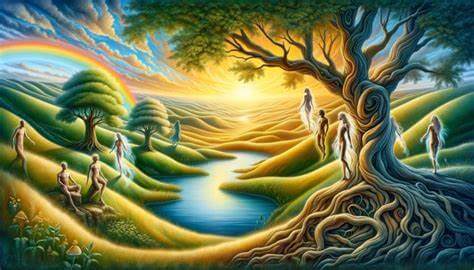
Oisín spends what feels like a short time in Tír na nÓg, but he begins to miss his home in Ireland. Niamh warned him that if he ever went back to Ireland, he would not be able to return to Tír na nÓg.
Upon returning to Ireland, he discovers that centuries have passed. When he sets foot on Irish soil, the years catch up to him, and he ages rapidly, illustrating the bittersweet nature of immortality and the passage of time.
This story embodies themes of longing, the inevitability of change, and the human desire to escape the hardships of life.
For anyone exploring Irish myths and legends for beginners, Tír na nÓg offers a beautiful metaphor for the tension between youthful dreams and the realities of life.
Lessons from Tír na nÓg
- The Passage of Time: Time moves forward, whether we are ready or not, reminding us to cherish the present.
- The Allure and Cost of Immortality: Eternal youth may seem desirable, but it comes with sacrifices and consequences.
- Acceptance of Change: Life’s changes are inevitable, and embracing them leads to deeper wisdom.
3. The Salmon of Knowledge: Gaining Wisdom Unexpectedly
Among the rich tapestry of Irish myths and legends for beginners, the tale of the Salmon of Knowledge stands out as a story about the surprising ways wisdom can come to us.
This myth tells of Fionn mac Cumhaill, a legendary hero and leader of the Fianna warriors – more on this later in the article.
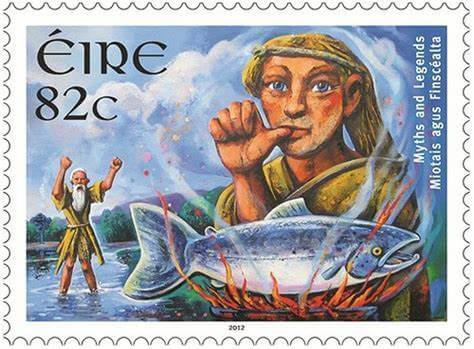
Fionn’s mentor, the poet Finnegas, had spent years trying to catch the magical salmon that had eaten the nuts of wisdom from the sacred hazel trees. The salmon was said to grant all the knowledge in the world to anyone who tasted it.
When Finnegas finally caught the salmon, he asked Fionn to cook it, but warned him not to eat any part of it. However, when Fionn burned his thumb on the salmon, he instinctively put it in his mouth, absorbing the salmon’s wisdom.
This story reveals that wisdom often comes unexpectedly and through experience rather than formal teaching. For beginners exploring Irish myths and legends for beginners, it highlights the value of learning through life’s surprises and mistakes.
Lessons from The Salmon of Knowledge
- Wisdom Comes Unexpectedly: Sometimes, the greatest knowledge arrives when we least expect it.
- Learning from Experience: True understanding is often gained through life’s challenges and accidents.
- The Value of Mentorship: Teachers guide us, but personal insight completes the journey.
4. The Táin Bó Cúailnge: Ireland’s Epic Tale of Honor and Courage
One of the most dramatic tales in Irish myths and legends for beginners, The Táin Bó Cúailnge (The Cattle Raid of Cooley) is an epic of pride, war, and heroism.
It begins when Queen Medb of Connacht sets out to steal a prized bull from Ulster to match her husband’s wealth.
With the men of Ulster cursed and unable to fight, they suffer terrible pain and can’t fight because of a curse from the goddess Macha; only a brave teenage warrior named Cú Chulainn stands in her way.
Cú Chulainn defends Ulster alone, challenging Medb’s warriors one by one in single combat. His most heartbreaking battle is against his foster brother Ferdiad, whom he is forced to kill.
Eventually, Ulster’s warriors recover and join the fight. Though Queen Medb’s army is powerful, the combined strength of Ulster’s warriors, led by Cú Chulainn, eventually forces them to retreat.

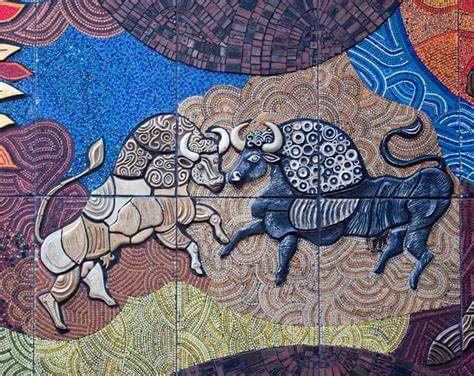
After the long battle, the prized bull Donn Cúailnge faces off against another powerful bull owned by Queen Medb. The two bulls fight fiercely, but both become so exhausted and wounded that they die from the battle.
Because of this, nobody truly wins the bull, showing the heavy cost of the war. This ending teaches beginners exploring Irish myths and legends for beginners about the consequences of pride and conflict.
The Táin Bó Cúailnge is one of the greatest epic tales in Irish mythology, filled with heroism, magic, and tragic fate. It teaches important lessons about courage in the face of overwhelming odds, the price of ambition, and the power of ancient curses and gods.
Lessons from The Táin Bó Cúailnge
- Bravery in the Face of Adversity: Courage can make a difference even when the odds seem impossible.
- The Cost of Honor: Loyalty and pride can lead to great sacrifice.
- Understanding Conflict: Myths show us the human costs and complexities behind battles.
Check out some related articles to delve deeper into the fascinating history of Ireland:
- Greatest Irish Symbols and their meanings that will blow your mind
- Most Beautiful Irish Words and Their Meanings
- Greatest Megalithic Sites in Ireland that you must visit
- Best Castles in Ireland – the ultimate list of Irish Castles
5. The Legend of Balor: The One-Eyed Giant and the Battle of Mag Tuired
One of the most captivating stories in Irish myths and legends for beginners is the tale of Balor, the terrifying one-eyed giant who ruled the fearsome Fomorians.
Balor’s single eye was no ordinary eye – it was a powerful weapon capable of destroying anyone with just one deadly glance. This made Balor nearly invincible and feared by all.
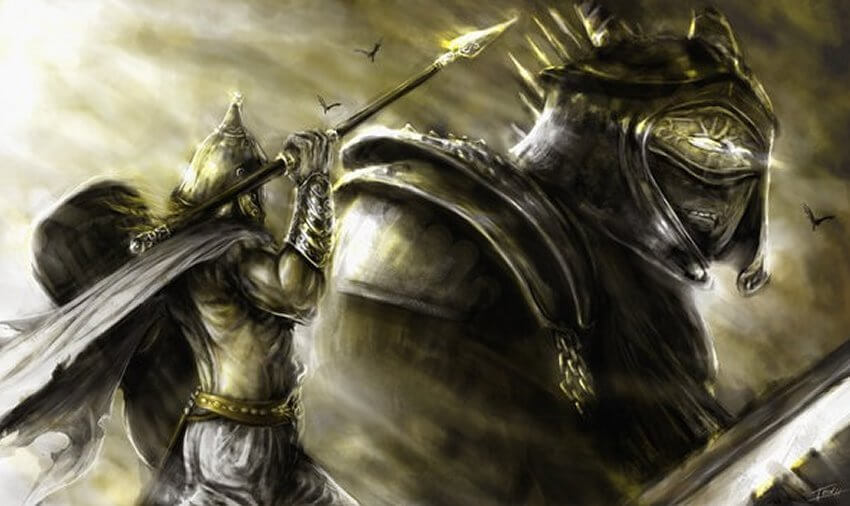
However, according to prophecy, Balor was destined to be killed by his own grandson. To prevent this fate, he locked away his daughter, hoping to stop her from having children. But fate had other plans – she gave birth to a son named Lugh, a clever and brave hero.
Lugh grew up and joined the Tuatha Dé Danann, a race of gods and warriors central to Irish mythology. During the epic Battle of Mag Tuired, Lugh faced Balor in a fierce fight. Using his skill and bravery, Lugh struck Balor’s deadly eye, destroying it and ending the giant’s reign of terror.
This legendary battle is a key part of Irish myths and legends for beginners, showing how light and order overcome darkness and chaos. The story of Balor and Lugh is a powerful display of themes of fate, courage, and the eternal struggle between good and evil in Irish mythology.
Lessons from the Legend of Balor and the Battle of Mag Tuired
- The Power of Fate and Prophecy: This myth teaches how fate is a powerful force that even mighty beings like Balor cannot escape.
- Courage and Heroism Matter: Lugh’s bravery in facing Balor shows that courage and skill can overcome even the greatest dangers.
- The Struggle Between Order and Chaos: The battle symbolizes the ongoing fight between light (the Tuatha Dé Danann) and darkness (the Fomorians), a common theme in Irish myths and legends for beginners.
- Good Triumphs Over Evil: The story highlights hope, reminding us that even when things seem bleak, goodness can prevail.
- Myths Explain the World: Ancient Irish people used stories like this to make sense of natural forces and human experiences beyond their control.
6. Deirdre of the Sorrows: A Tale of Love and Tragedy
A haunting tale in Irish myths and legends for beginners, the story of Deirdre of the Sorrows is one of Ireland’s most famous tragic romances.
Deirdre was born under a prophecy that her beauty would bring ruin to kings and sorrow to the land. To prevent this, King Conchobar mac Nessa of Ulster planned to raise her in seclusion and marry her when she came of age.
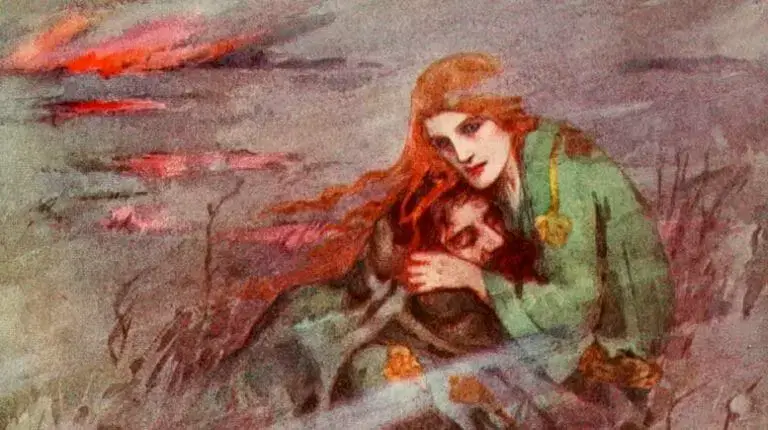
But Deirdre fell in love with a young warrior, Naoise, and fled Ulster with him. For a while, they lived in peace in exile, until Conchobar tricked them into returning, promising safety, but planning betrayal.
Naoise and his brothers were murdered, and Deirdre was forced to live under Conchobar’s control. Eventually, she died of heartbreak, becoming a symbol of love, loss, and defiance.
Deirdre’s tale explores themes of fate, love, and the consequences of jealousy and power struggles. It reflects the deep human emotions at the heart of Irish storytelling and reveals how myths served as warnings and lessons about the dangers of passion and political intrigue.
For those new to Irish myths and legends for beginners, Deirdre’s story offers a powerful look at how love and tragedy intertwine in Celtic tradition.
Lessons from Deirdre of the Sorrows
- The Power of Fate: Some events may be unavoidable, but how we respond shapes our destiny.
- The Consequences of Jealousy: Envy and rivalry can lead to unnecessary suffering.
- Love’s Enduring Impact: Even tragic love stories teach us about human nature and empathy.
Keep exploring Irish Mythology in new contexts with the articles below.
- Unique Irish Celtic Tattoos With Deep Cultural Symbolism
- Irish Hikes with Myths and Legends
- Quirky Irish Superstitions You Will Love
- Irish Girl Names Inspired by Celtic Mythology
7. The Legend of Fionn MacCumhaill and the Fianna: Heroes of Ireland
We are back to the Irish legend that is Fionn MacCumhaill, but to focus on his later years.
A major figure in Irish myths and legends for beginners, Fionn MacCumhaill (often anglicised as Finn MacCool) is the wise and heroic leader of the Fianna, an elite band of warriors who defended Ireland from threats both mortal and supernatural and roamed its forests in search of justice, poetry, and adventure.

Fionn’s story begins with the Salmon of Knowledge. As mentioned above, as a boy, he accidentally tastes the salmon while cooking it for a druid and instantly gains supernatural wisdom.
One of Fionn’s earliest heroic acts was defeating Aillén, a fire-breathing creature who would lull the warriors of Tara to sleep with music before burning the palace to the ground each year. Fionn, immune to the magic thanks to his wisdom, stays awake, kills Aillén with his spear, and earns leadership of the Fianna.
Fionn’s son Oisín (pronounced uh-sheen) is also central to this Irish legend. Oisín falls in love with Niamh of the Golden Hair, a woman from Tír na nÓg, the Land of Eternal Youth. He travels with her to this magical realm, where no one ages. But when he returns to Ireland centuries later, he finds the Fianna gone, and the land changed. He ages instantly and dies, his heart broken.
Bonus Tale: Fionn MacCumhaill and the Giant’s Causeway
One of the most well-known stories in Irish myths and legends for beginners tells how Fionn MacCumhaill created the famous Giant’s Causeway in Northern Ireland – the strange, hexagonal rock formation along the coast of Antrim.
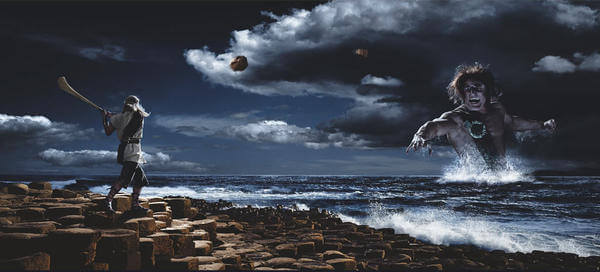
According to the legend, Fionn was challenged to a fight by a giant from Scotland named Benandonner. To reach him, Fionn built a stone path across the sea – what we now call the Giant’s Causeway.
But when he saw how enormous Benandonner really was, Fionn fled home and disguised himself as a baby. When Benandonner arrived and saw the “baby,” he panicked – if the child was that big, the father must be truly monstrous! He ran back to Scotland in terror, tearing up the causeway behind him so Fionn couldn’t follow.
This humorous tale shows a lighter side of Irish mythology, where wit defeats brute strength, and even heroes know when to outsmart rather than outfight.
The tales of Fionn and the Fianna mix heroism, deep loyalty, magic, and loss. They show that Irish heroes weren’t just warriors but thinkers, poets, and guardians of culture.
For beginners, exploring Fionn MacCumhaill’s legends offers insight into the heroic ideals celebrated in Irish folklore and the rich storytelling tradition that continues to inspire today.
Lessons from Fionn MacCumhaill and the Fianna
- Leadership and Loyalty: Great leaders inspire devotion and unity.
- Courage and Wisdom: Strength alone is not enough; intelligence and bravery go hand in hand.
- Protecting the Community: Heroes often serve to safeguard their people and culture.
Planning a trip to Ireland? Check out our helpful guides:
- Discover tips in our How to Visit Ireland on a Budget and the best Irish Hidden Gems.
- Explore the country with our Ultimate 2-Week Ireland Road Trip Itinerary
- The 5 Best Road-Trip Itineraries in Ireland
- Or treat yourself to a fully customizable Ireland tour, led by a Celtic expert who can delve into the meanings behind these beautiful Irish words – and so much more.
- Bonus: Book now and enjoy 15% off your expert Ireland tour!
8. The Morrígan: The Phantom Queen of War and Fate
In the rich world of Irish myths and legends for beginners, The Morrígan stands out as a powerful and complex figure. Known as the Phantom Queen, she is associated with war, fate, and sovereignty. The Morrígan often appears before battles to foretell victory or defeat, sometimes taking the form of a crow or raven.

One of the most well-known stories involving The Morrígan is her relationship with the hero Cú Chulainn during the events of the great war told in the Ulster Cycle. As the battle approaches, The Morrígan appears to Cú Chulainn in various forms, offering her help and protection. She warns him about his fate, foretelling that he will face great trials and a tragic death.
However, Cú Chulainn, proud and fierce, rejects her aid, refusing to be bound by prophecy or fear. In response, The Morrígan transforms into a crow and follows him onto the battlefield, symbolizing the looming presence of death. Despite his bravery and skill, the hero’s destiny unfolds as foretold, reminding us that even the greatest warriors cannot escape fate.
Her role in mythology is multifaceted – she is both a protector and a messenger of doom, symbolizing the unpredictable nature of conflict and the power of destiny.
For those new to Irish myths and legends, understanding The Morrígan and her presence emphasizes that war is not just about heroism and victory, but also about loss, transformation, and the cycle of life and death.
Through stories like these, The Morrígan remains a timeless symbol of the mysteries that lie beyond human understanding, reflecting ancient Irish respect for the forces that shape existence and the courage required to face them.
Lessons from The Morrígan
- Respect for Fate: Some outcomes are beyond human control, teaching humility.
- The Dual Nature of Power: Strength can be both protective and destructive.
- The Mystical in Everyday Life: The supernatural world was intertwined with daily existence.
Take a moment to explore the related articles below to help you make the most of your trip to Ireland:
- 50 Easy Irish Phrases and Funny Irish Slang Words
- Expert Advice on The Best Dos and Don’ts For Visiting Ireland
- Why Do Irish People Drink? The Real Reasons Behind the Pint
- 60 Best Irish Insults to SURVIVE Your Ireland Trip
- Most hilarious Irish Insults to make you laugh out loud!
9. The Legend of the Dullahan: Ireland’s Headless Horseman
Among the eerie tales in Irish myths and legends for beginners is the story of the Dullahan, a terrifying headless horseman who rides across the countryside carrying his own head under one arm and often accompanied by a whip made from a human spine.
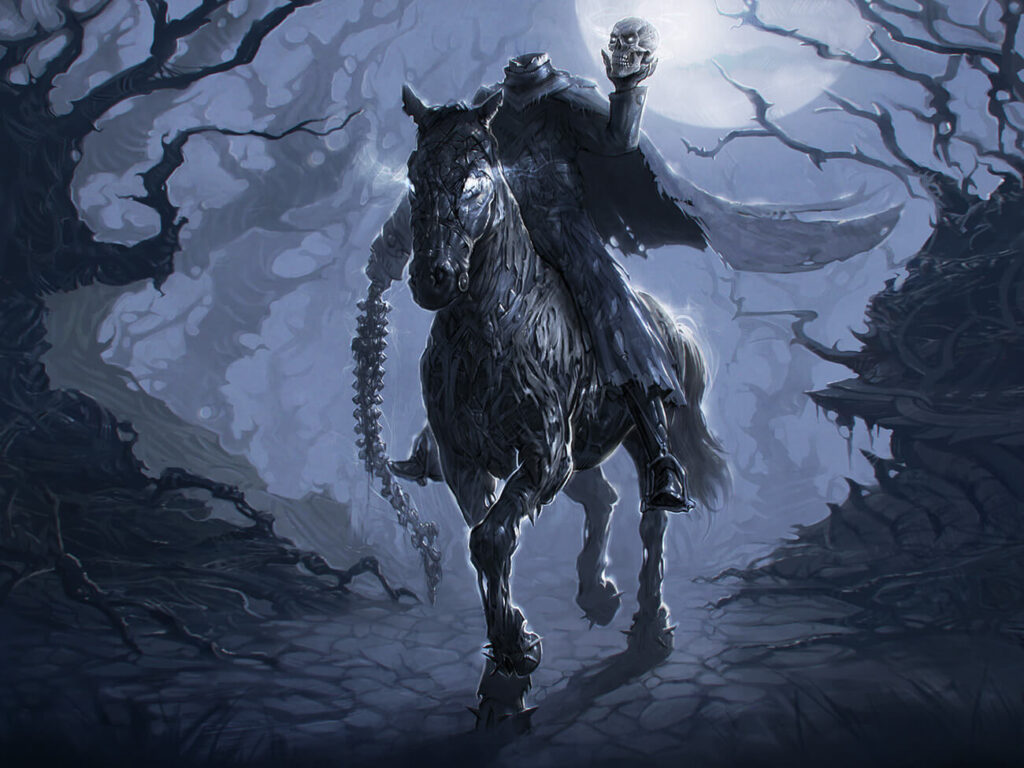
According to legend, the Dullahan is a messenger of death, appearing to announce when someone’s time has come.
Unlike the more playful or gentle fairies often pictured today, the Dullahan reflects the darker side of Irish folklore, emphasizing the respect and fear ancient Irish people had for death and the unknown. His story reminds us of the deep connection between life, death, and the supernatural in Irish culture.
For beginners exploring Irish myths and legends, the Dullahan adds a thrilling, spooky element that highlights the variety within Irish storytelling.
Lessons from the Dullahan
- Acceptance of Mortality: Death is a natural part of life, often personified in myth to help people understand it.
- Respect for the Supernatural: Many Irish myths caution against disrespecting forces beyond human control.
- The Power of Storytelling: Stories like the Dullahan keep cultural traditions alive through fear and fascination.
The Dullahan and The Banshee: Ireland’s Legendary Messengers of Death
The Dullahan and the Banshee are both iconic figures in Irish folklore who serve as supernatural messengers connected to death, but they appear in different forms and with distinct roles.

The Banshee is usually depicted as a female spirit who wails or sings mournfully to warn a family that someone is about to die. Her cries are eerie and sorrowful, serving as a mournful omen.
The Dullahan, on the other hand, is a headless horseman who actively rides through the countryside, calling out the names of those whose deaths are imminent. Unlike the Banshee’s mournful warning, the Dullahan’s presence is more direct and terrifying.
Both figures highlight the ancient Irish belief in the thin veil between life and death, and both are part of a rich tradition of storytelling about death’s inevitability and the supernatural forces that govern it.
10. The Legend of Étaín: Love, Rebirth, and Transformation
The Legend of Étaín is one of the most beautiful and enchanting stories in Irish mythology, full of love, transformation, and the intertwining of the mortal world with the magical Otherworld.
Étaín was a stunning woman, often described as so radiant that she seemed to glow like the sun.
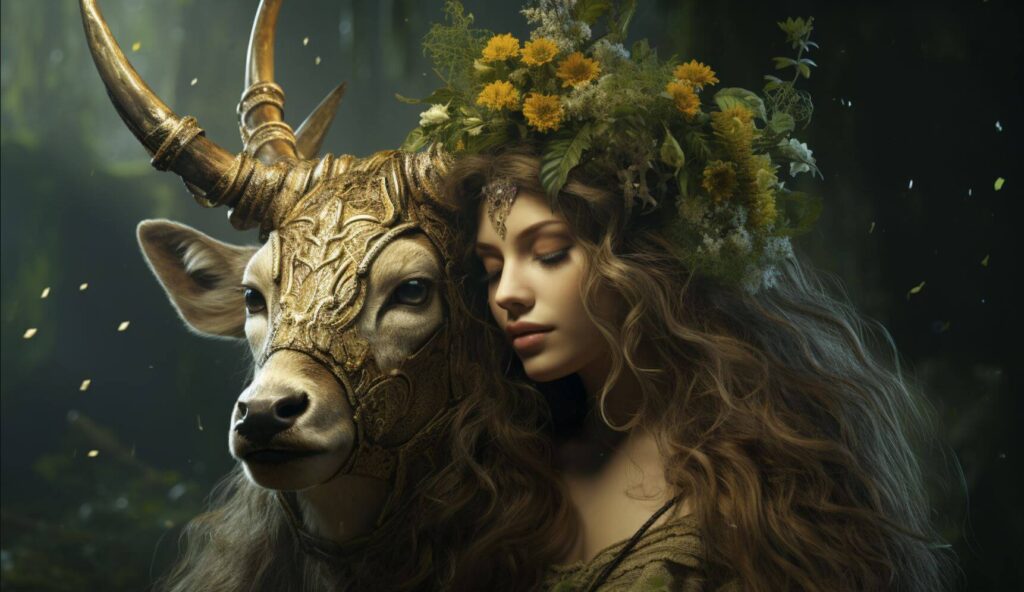
Her tale begins in the ancient kingdom of the Tuatha Dé Danann, the mystical people of Ireland’s Otherworld. Étaín was married to Midir, a powerful and magical figure among the Tuatha Dé Danann. However, her beauty caught the jealous eye of Midir’s first wife, Fúamnach, who used powerful magic to curse Étaín.
Fúamnach transformed Étaín into a pool of water, then into a worm, and eventually into a beautiful butterfly, causing her to drift through the air for many years. Eventually, Étaín’s butterfly form landed in the cup of a mortal king, and she was reborn as a human princess.
Years later, Midir, still longing for Étaín, searched tirelessly for her. He found her again but faced many challenges to reclaim his lost love. The story includes magical contests and tests of loyalty, highlighting themes of transformation, perseverance, and the enduring power of love.

The Legend of Étaín teaches us about the fluid boundaries between the mortal and supernatural worlds in Irish mythology. It also explores deep themes of love transcending time, the soul’s journey, and the power of change.
For beginners, it offers a poetic glimpse into the spiritual depth of Irish mythology and its rich symbolism.
Lessons from Étaín
- Transformation is Natural: Change and rebirth are essential parts of life and growth.
- Love Transcends Time: True love endures beyond physical boundaries and lifetimes.
- Embrace the Cycle of Life: Irish myths often emphasize life’s cycles – death, renewal, and rebirth.
Check out the following articles for some unique Irish adventures off the tourist path:
- Stargazing in Ireland: Ultimate Guide to Irish Dark Skies
- Surfing and Seaweed Baths Along Ireland’s Wild Atlantic Way
- Visiting Hook Lighthouse – & Unique Lighthouse Stays in Ireland
- Visit Ireland’s Eye Island – An Island of Puffins!
Bonus Myth: The Creation of the River Shannon
Did you know that one of Ireland’s greatest natural landmarks, the River Shannon, is steeped in myth?
One of the most fascinating and lesser-known tales within Irish myths and legends for beginners explains the origin of Ireland’s longest river – the River Shannon – through the story of Sionann, the granddaughter of the sea god Lir.
According to legend, Sionann was a curious and determined young woman who sought the ultimate source of wisdom. She journeyed to the mystical Well of Connla, a sacred spring believed to grant profound knowledge to those who drank from it.
Sionann journeyed to the mystical Well of Connla, guarded by hazel trees whose nuts fell into the waters and fed the Salmon of Knowledge. Drinking from the well or even approaching it was forbidden, but Sionann defied those warnings. She sought wisdom, power, and perhaps even a glimpse into the Otherworld – the magical realm beyond the veil of our own.
But the Otherworld does not give up its secrets easily. As Sionann stepped into the sacred waters, they rose in fury. The waters surged and overflowed, sweeping Sionann away in a powerful flood.
Wherever her body touched, water surged forth, and from her path flowed what would become the mighty River Shannon, stretching across Ireland from north to south, shaped by her final journey.
Many ancient Irish myths emphasize the idea that wisdom comes at a cost and that the natural world is alive with mysterious energies. Sionann’s story reflects the Celtic respect for the sacredness of water and the belief that natural elements like rivers are not just physical features but living symbols in the ongoing story of Ireland.
Lessons from the River Shannon Myth
- Seek Wisdom with Respect: The pursuit of knowledge is noble but should be approached with humility and caution.
- Nature is a Living Force: Ireland’s geography holds deep spiritual meaning and shapes cultural identity.
- Transformation is Powerful: Sometimes, great change arises from forces beyond human control, reminding us to honor the balance between curiosity and reverence.
Irish Myths and Legends for Beginners: Celebrating Our Irish Heritage Through Timeless Stories
At the heart of this article lies a deep passion for Irish culture and the rich tapestry of myths and legends that have shaped our identity for thousands of years. These stories – passed down through generations in families, schools, and communities – are more than just tales; they are a vital connection to our ancestors and the values that continue to inspire us today.
We are incredibly proud to share these Irish myths and legends for beginners, keeping alive the traditions that define us. From the heroic deeds of Finn MacCumhaill to the mystical waters of the River Shannon, each story carries timeless lessons about courage, wisdom, love, and respect for nature.
In recent years, there has been a wonderful revival of Irish culture, language, and music. Our heritage is experiencing a powerful resurgence, and the pride in being Irish is stronger than ever. As we continue to celebrate these ancient stories, we are reminded that the spirit of Ireland lives on—vibrant, resilient, and full of life.
This article is more than an introduction to Irish myths; it is a tribute to the enduring power of storytelling and the lessons these legends offer us. We invite you to reflect on the stories you’ve read here – what was your favorite? What resonated with you most? Share your thoughts and keep the conversation alive, because the magic of Irish mythology is meant to be shared.
Thank you for joining us on this journey through Irish myths and legends for beginners. May these stories continue to inspire you and deepen your connection to the beautiful land and culture of Ireland.

This post contains affiliate links. If you click on the links to make a purchase, we will earn a small commission. This is at NO EXTRA COST to you. This is a free way to support us and allow us to continue to create inspiring adventure travel guides.