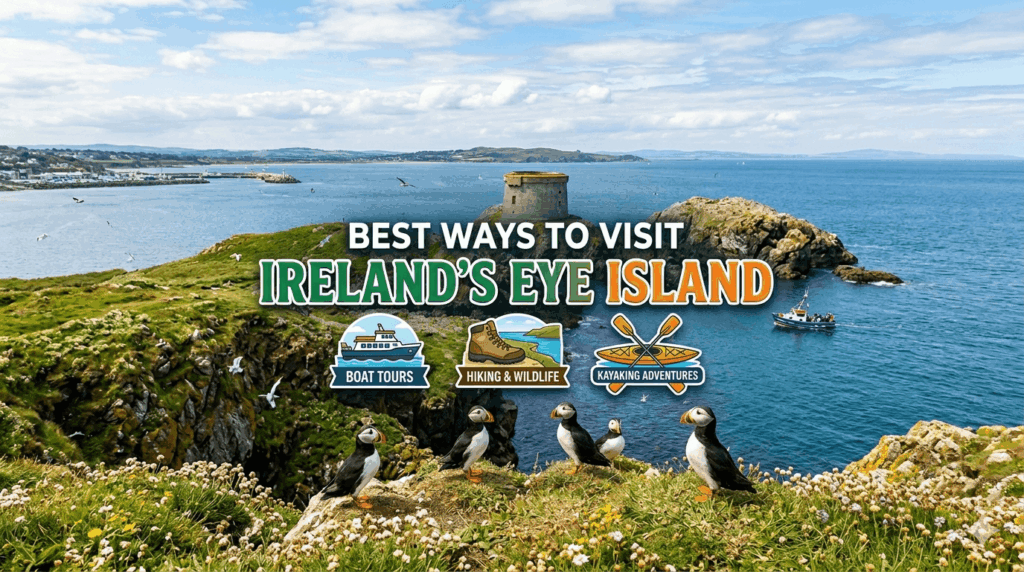

You may have seen the RTÉ News coverage in May 2026 showing long queues for the packed DART trains from Dublin to Howth. The reason is simple, more travellers are discovering Ireland’s Eye Island, one of the best hidden gems in Ireland and an unforgettable day trip from Dublin.
Located just off the coast of Howth, Ireland’s Eye is a small uninhabited island known for its puffin colonies, grey seals, and ancient 7th-century monastic ruins. We first visited Ireland’s Eye 10 years ago, and we’re not surprised that it has since become one of the most popular attractions near Dublin.
In this 2026 guide, we cover everything you need to know for visiting Ireland’s Eye Island, including how to get the DART to Howth, the best ferry and boat tour options for Eye Island, and whether to stay in Howth or Dublin. We also answer the most common questions in a helpful FAQ section at the end.
Book your tickets early, especially during the summer months, Ireland’s Eye is now one of the most popular day trips from Dublin. There are six departure times per day for the Landing Ferry from Howth, that cost €30 for adults and €15 for children.
If you prefer to stay on the water, you can enjoy the Scenic Coastal Boat Tour, a 50-minute boat trip around Ireland’s Eye, Howth Cliffs, and Dublin Bay, starting from €20 per person.
At a Glance: Ireland’s Eye Island Day Trip from Dublin (2026)
| Category | Quick Facts |
|---|---|
| Primary Draw | Coastal Scenery, Wild birds (Puffins), 7th-century ruins. |
| 2026 Ferry Cost | €20–€30 (Adult) | €15 (Child) |
| Travel Time | 30m DART from Dublin + 15m Ferry crossing. |
| Peak Season | April to July for Puffin colonies & Seals. |
| Facilities | None. No toilets, shops, or bins on the island. |
| Pro Tip | Use a Leap Card to cap your DART fare at €2.00. |
History of Ireland’s Eye Island: Monks, Vikings & Today
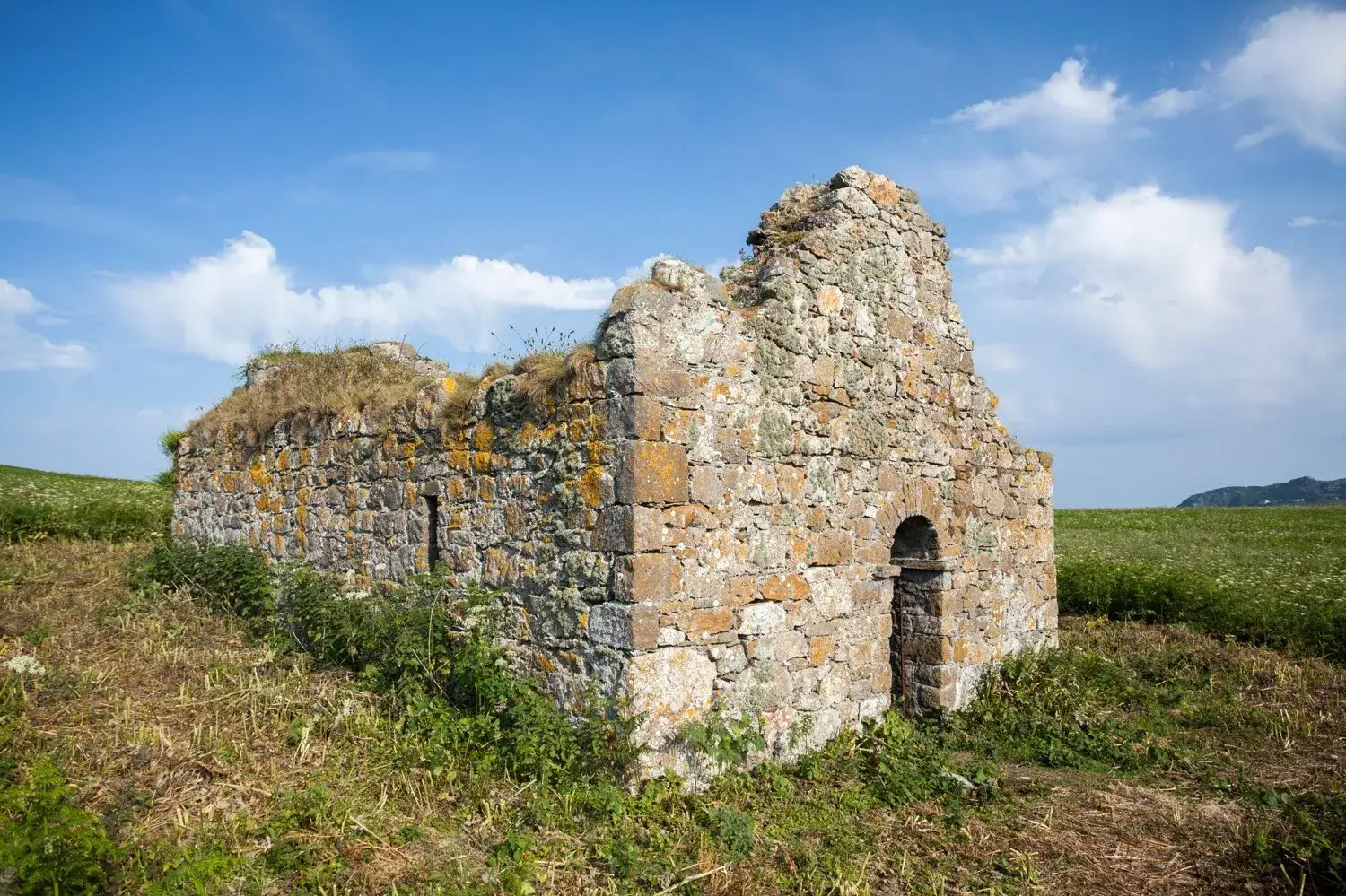
In the 7th century, the three sons of Nessan, a princess of the Royal Leinster House, built a monastic settlement on Ireland’s Eye island. The ruins of their church, Cill Mac Neasáin, still stand today, and it’s within these walls that the Garland of Howth was written, a sacred manuscript now housed with The Book of Kells at Trinity College.
In the 9th and 10th centuries, the Vikings raided the island and used their Norse word for island, “Ey”. This is where the name Ireland’s Eye comes from!

Today, Eye Island is a Special Protection Area (SPA). As of May 2025, National Parks and Wildlife Service (NPWS) wardens are present on weekends, helping visitors and safeguarding nesting puffin and gannet colonies.
Getting To Ireland’s Eye Island & Exploring Howth
Ireland’s Eye sits just 1.5 km off the coast of Howth, a short boat trip from one of Ireland’s most beautiful seaside towns and one of the best day trips from Dublin you can do. We always visit Dublin during the week; hotels are cheaper, the popular attractions are less busy, and the DART to Howth is a much more pleasant experience without the weekend crowds.
From Dublin city centre, we took the DART to Howth, taking around 30 minutes. Once at the Howth DART Station, the Daybreak shop is directly across the road, where you can buy water and snacks before heading to Ireland’s Eye, where there are no shops.
We picked up two breakfast rolls (if you are visiting Ireland, you absolutely need to try this traditional Irish food) and wandered toward Howth Lighthouse for an early picnic overlooking Dublin Bay before our pre-booked 12:45 ferry.
Personally, we prefer exploring over sitting in a restaurant. Picking up breakfast from a deli shop also helps us save money while travelling full-time.
We still had plenty of time to explore Howth before crossing to Ireland’s Eye on the short 15-minute boat ride.
How to Get to Ireland’s Eye Island: 2026 Transport Guide
Getting to Ireland’s Eye from Dublin is straightforward. Eye Island sits just north of Howth Harbour, so the journey is two steps: get to Howth, then catch the ferry to Ireland’s Eye. Taking the DART makes it one of the easiest day trips from Dublin by public transport.
Step 1: Getting from Dublin to Howth
The most reliable way to travel is by public transport. In 2026, traffic congestion on the coast road means the train is almost always faster than driving.
- DART Train: This is the best way to start your day. Take the northbound DART from Dublin city center (Connolly, Tara Street, or Pearse stations).
- Time: ~25–30 minutes.
- Cost: Approx. €2–€4 each way with a Leap Card – A smart card for Dublin Transportation in Dublin and Major cities in Ireland, highly recommended for the best rates in 2026.
- Travel Tip: Sit on the right-hand side of the train heading north for stunning views of Dublin Bay as you approach the peninsula.
- Dublin Bus (Route H3): The H3 departs from Lower Abbey Street and takes you directly to Howth Harbour or the Summit.
- Time: 45–50 minutes depending on traffic.
- Cost: Approx. €2.00–€2.60 (TFI 90-minute fare allows free transfers).
- By Car: 30 minutes from the city outside rush hour. Paid parking at the West Pier (~€3.00/day) — fills by 11:00 AM on sunny weekends.
Step 2: The Ferry to Ireland’s Eye
Once you arrive at Howth DART station, turn left and walk 5 minutes toward the end of the West Pier. The departure point is at the passenger pontoon opposite Aqua Restaurant — this is where all licensed ferries to Ireland’s Eye from Howth depart.
Travel tip: In 2025, we did the Howth Cliff Walk, but the weather was brutal, classic Ireland. Instead of starting the full loop from the village, we took the H3 bus from Dublin to Howth Summit and walked downhill towards the Baily Lighthouse before joining the Green Route back into Howth. We still got the cliff views without backtracking.
This is a great way to fit the Howth Cliff Walk and Ireland’s Eye into one easy day trip from Dublin.
Ireland’s Eye Tour Options: Landing Ferry vs Coastal Cruise (2026 Prices & Times)
In 2026, there are two ways to experience Ireland’s Eye Island, but they are very different.
- The Landing Ferry: You are dropped off on the island and explore for one hour.
- Scenic Coastal Boat Tour: A 50-60 boat trip around Ireland’s Eye, Howth Cliffs, and Dublin Bay.

What to Expect on the Landing Ferry to Ireland’s Eye Island
The Rugged Arrival: When we arrived at Ireland’s Eye, we expected a pier to get off. Instead, you step off onto stone steps carved into the rocks. With the boat rocking, we saw a few elderly people struggling to get off safely. Kevin ended up helping one lady up the steps, and if you see someone having difficulty, it costs nothing to lend a hand instead of just watching. It’s nice to be nice, as we say in Ireland!
We also spotted someone getting off in flip-flops, which is definitely not the best idea. If you are travelling with a pram or have mobility concerns, the Coastal Cruise Tour is probably a much better option than the island landing.
Ancient Monastic Ruins: Once everyone was safe, most visitors headed straight to the ruins first, so we went the opposite direction! This meant we had St. Nessan’s Church to ourselves by the time we arrived.
We love ancient and megalithic sites in Ireland, so the 7th-century church on Ireland’s Eye was one of the highlights for us. Knowing these ruins survived Viking raids and are linked to the writing of the Garland of Howth made it special. It’s a peaceful spot to sit for a while and take it all in.
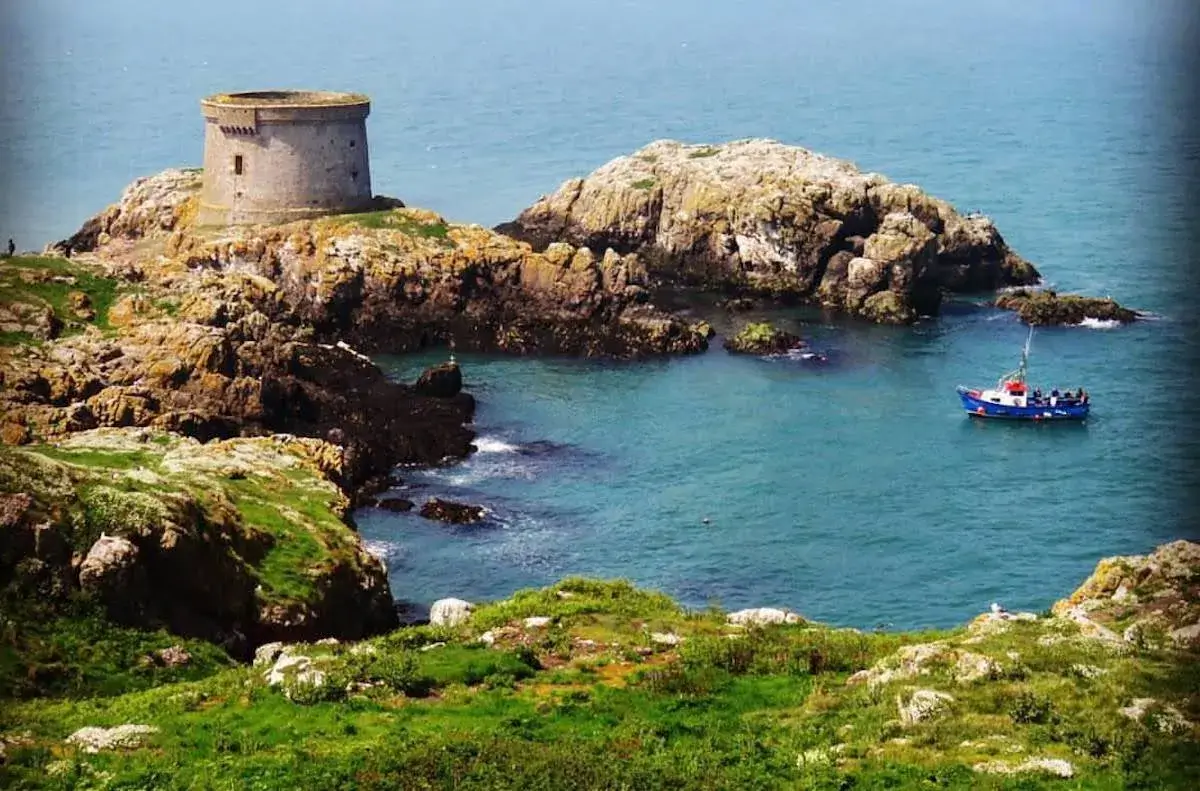
The Martello Tower: By 1804, the British military constructed the Martello Tower on Ireland’s Eye, one of over 50 such towers built along the Irish coast as defence against a Napoleonic invasion. You’ll find these towers all around Ireland, including at Kevin’s hometown of Cobh.
Unfortunately, you can’t go inside, as the entrance was built 3 meters above ground for defence. Make this your first stop on the island.
Wildlife & Puffin Spotting on Ireland’s Eye: Spotting puffins on Eye Island isn’t easy. The nesting area is fenced off, and the ones we did see were flying overhead. If seeing puffins up close is your main goal, the coastal boat tour is the better option.
That said, Ireland’s Eye is still a brilliant spot for birdwatching near Dublin. We saw plenty of Razorbills, Guillemots, and Kittiwakes nest in their hundreds on the Stack on the East side of the island.
Another wildlife highlight for us was a colony of grey seals lounging on the eastern rocks. We only saw them because another visitor pointed us in the right direction, and we made sure to pass it on to the next group. Nice to be nice remember!
Ireland’s Eye is home to one of the few puffin colonies in Ireland. During breeding season, these pint-sized seabirds return every year to dig burrows and raise their chicks. Spotting these “clowns of the sea” up close is a rare and unforgettable experience!
Ireland’s Eye Walking Route: When you land on Ireland’s Eye, you’re dropped off on the south side of the island. We followed the beach up to the Martello Tower, then continued clockwise along the northern cliffs past the Stack and back via the ruins. It’s a relaxed walk that takes about an hour, and this direction works well because you finish with the ruins.
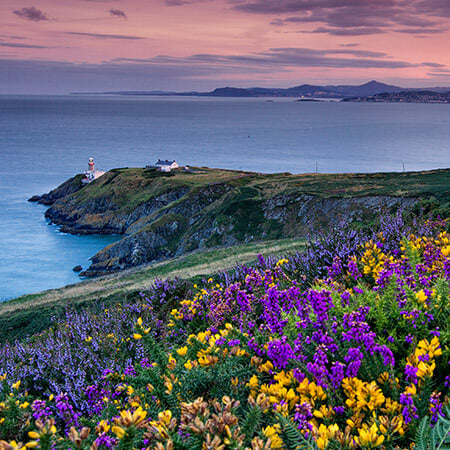
In late spring, the island is covered in wild flowers with Dublin Bay in the background. It’s a really scenic walk, but the trails are uneven, so wear proper footwear.
Landing Ferry Essentials (2026)
We chose the Landing Option, as we wanted to explore Eye Island on foot.
- Trip Duration: A scenic 15–20 minute crossing.
- 2026 Cost: €30 for adults and €15 for children.
- Season: Mid-April through September.
- Return Schedule: The ferry to Ireland’s Eye from Howth runs at 10:30 AM, 11:15 AM, 12:45 PM, 2:15 PM, 3:00 PM and 3:45 PM for the 2026 season.
👉 Secure your Ireland’s Eye landing ferry slot here — Essential for 2026, as landing slots are capped to protect the bird sanctuary.
Alternative Boat Tour: Coastal Cruise Around Ireland’s Eye
If you want to witness the rugged beauty of the Dublin coastline and Ireland’s Eye without the physical demands of landing, the Howth Coastal Boat Tour is your best option.
This scenic cruise offers views of the island’s features that you can’t see from the shore—including the massive sea caves and “The Stack.”
This 2026 visitor favourite is ideal for those with mobility concerns, travellers with young children (buggy-friendly), or anyonehoping to get a closer look at puffins and seals.
- Duration: Approximately 45–60 minutes.
- 2026 Pricing: Expect to pay €25 per adult, €15 per child, and €70 for a family ticket (2 adults + 2 children).
- Departure Point: West Pier, Howth (Look for the “Ireland’s Eye Ferries” or “Dublin Bay Cruises” signage near Aqua Restaurant).
- Key Highlights: Close-up views of the Puffin colonies (seasonal) and the resident Grey Seal colony.
- Landmarks: Views of the Martello Tower and the Baily Lighthouse.
- Expert Commentary: Live stories from local skippers about the island’s Viking history and famous 19th-century “Long Hole” mystery.
- Accessibility: Most 2026 cruise vessels are wheelchair accessible and permit buggies/strollers on board—a stark contrast to the rugged landing ferry.
👉 Book your 2026 Coastal Cruise around Ireland’s Eye Island here.
Many visitors include a day trip to the Giant’s Causeway or the Cliffs of Moher in their Ireland itinerary — and both are absolutely worth it. But choosing the right tour can make a huge difference to your experience. Read our guides to the best Giant’s Causeway tours from Dublin and the best Cliffs of Moher tours from Dublin.
Know Before You Go: 2026 Ireland’s Eye Island Visitor Rules
- Footwear Matters: We saw plenty of people in flip-flops and sandals on our visit — don’t be one of them. The rocks are slippery getting off the boat. Sturdy, non-slip shoes only.
- Bring a Jacket: The ferry crossing has no shelter, and we got a bit wet on ours. Even on a sunny day, bring a windproof layer.
- Captain’s Call: Landing is weather-dependent. Check your email from the ferry operator on the morning of your trip — crossings can be cancelled even on bright days if the swell is up.
- No Pier, No Prams: Disembarking means stepping onto rocks and steep stone steps. Not suitable for buggies or anyone with mobility issues — book the coastal cruise instead.
- No Dogs, No Bins, No Shops: Ireland’s Eye is a protected SPA — dogs are strictly prohibited. There are also no toilets, shops, or bins on the island. Whatever you bring in, you carry out.
Things to Do in Howth: Making a Full Day of Your Ireland’s Eye Trip
Howth is more than just a departure point for Ireland’s Eye — it’s one of the best places to visit near Dublin. Here’s how to make a full coastal day of it:
- Howth cliff walk: The famous Howth cliff walk is one of Dublin’s most popular outdoor experiences. The loop path offers dramatic views back across Dublin Bay.
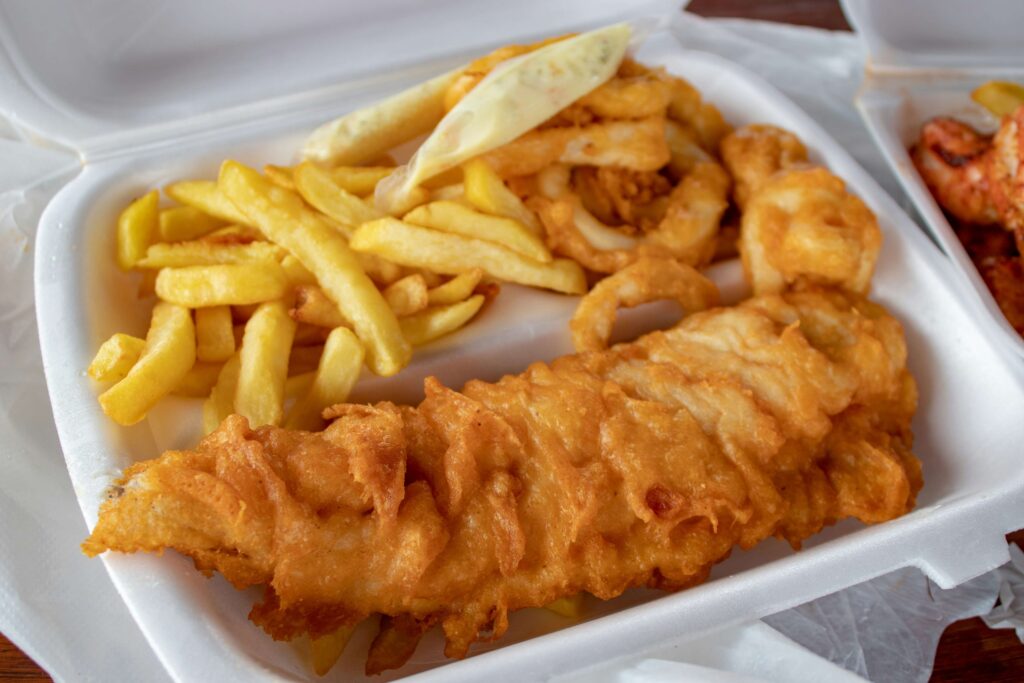
- Howth Harbour seafood: Howth is one of the best places in Ireland for seafood, so after our visit, we headed straight to Octopussy’s Seafood Tapas for what turned out to be some of the best fish and chips we’ve ever had. We would happily return to Howth just to eat here again. The only downside is that it gets extremely busy, and there was already a long queue when we arrived.
- Howth market: Personally, we avoid weekends because it’s busy. But if you’re visiting on a weekend, the Howth Market runs along the harbour and a popular thing to do in Howth.
- Howth village: The village itself is beautiful with that salty sea smell. It’s one of those hidden gems near Dublin that first-timers to Ireland often wish they’d spent more time in.
Where to Stay: Dublin vs. Howth
Deciding where to base yourself can change the entire “flavor” of your trip. While Dublin offers the big-city buzz, Howth provides a serene atmosphere that makes visiting Ireland’s Eye island feel like a true retreat.
Option 1: Staying in Dublin
If you stay in Dublin, you’re ideally placed to visit the Book of Kells or Guinness Storehouse before heading to the coast.
Travel Tip: Staying near Grand Canal Dock or St. Stephen’s Green gives you the best mix of luxury and easy DART access.
Top-Rated Dublin Tours
If you’re staying in Dublin and visiting Ireland’s Eye Island as a day trip, you’ll have no shortage of things to explore before or after your coastal escape.
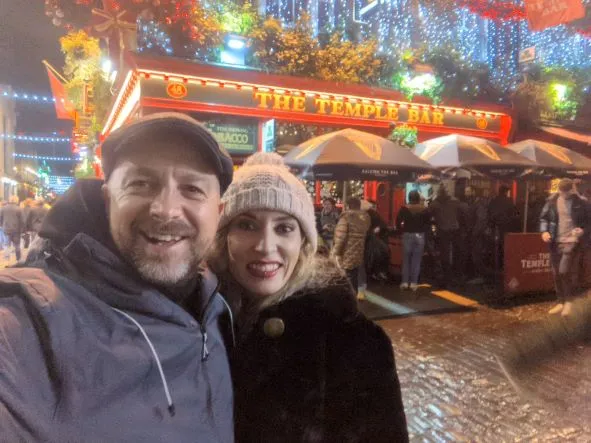
- Dublin Highlights and Hidden Gems Guided Walking Tour
- Jameson Distillery and Guinness Storehouse Guided Tour
- Hop-On Hop-Off Bus Tour with Guide
Option 2: Staying in Howth (Highly Recommended)
For the best experience when visiting Ireland’s Eye island, stay in Howth. You can catch the earliest ferry before the city crowds arrive.
- Stay here: Look at boutique spots like The King Sitric (right on the harbour) or Gleann-na-Smol (Howth Centre), about a 5-10 minute walk from the harbour.
- The Food Scene: After returning from the island, we grabbed the best fish & chips in Ireland at Octopussy’s Seafood Tapas overlooking the harbour — one of our favourite post-ferry spots in Howth.
- The 2026 Advantage: Howth has become a wellness hub. Many B&Bs now offer “Sea Swim & Sauna” packages—the perfect way to warm up after a breezy boat trip to Ireland’s Eye.
The Verdict: Which should you choose?
- Choose Dublin if this is your first time in Ireland and you want to visit the main attractions in Dublin.
- Choose Howth if you want the full coastal day — cliff walk, island ferry, and fresh seafood.
When is the Best Time to Visit Ireland’s Eye Island
To ensure you catch the best weather and wildlife, keep this 2026 seasonal calendar in mind:
| Season | Highlights |
| April – June | Peak Season. Best for puffin spotting and wildflowers. |
| July – August | Warmer weather, but puffins begin to migrate mid-August. |
| September | Quiet and mild; beautiful light for photography. |
| Oct – March | Limited ferry services; subject to winter sea swells. |
Travel Tip: For the best light and fewest crowds, aim for a mid-week morning departure.
Cost Breakdown for Visiting Ireland’s Eye (2026 Estimated)
Visiting Ireland’s Eye is a highly affordable day trip from Dublin. Aside from your ferry ticket, the island itself is free to explore.
- Landing Ferry: ~€25–€30 (Adult) / €15 (Child)
- Scenic Cruise (No Landing): ~€25
- DART Train (Return): ~€4.00 (with Leap Card)
- Island Entry: €0.00 (Public Access)
Total Budget: Roughly €35 per person (excluding food). Pack a lunch and enjoy a picnic at the Martello Tower for the ultimate low-cost, high-reward Dublin day trip.
If budget travel in Ireland interests you, check out our helpful guides below:
- How to Visit Ireland on a Budget
- Ultimate 2-Week Ireland Road Trip Itinerary
- 5 Best Road-Trip Itineraries in Ireland
Or treat yourself to a fully customizable Ireland tour, led by a Celtic expert who can delve into the meanings behind these beautiful Irish words – and so much more.
Day Trip Itinerary from Dublin to Ireland’s Eye Island
A typical day trip itinerary from Dublin to Ireland’s Eye includes a scenic train ride to Howth, a ferry crossing to the island, ample time to explore the wildlife and historic sites, followed by a relaxing return to Dublin in the late afternoon.
| Time | Activity |
| 8:30 AM | Depart Dublin City via DART (Use Leap Card for the €2 fare). |
| 9:00 AM | Arrive in Howth; grab a coffee at the harbour. |
| 10:30 AM | Ferry to Ireland’s Eye. (Book your landing slot here). |
| 10:50 AM – 11:50 AM | Explore the ruins, Martello Tower, and Puffin colonies. |
| 12:30 PM | Catch the return ferry, ask your captain for departure times. |
| 1:00 PM | Fresh seafood lunch on the West Pier (Octopussy’s or King Sitric). |
| 2:00 PM | Walk the lower Cliff Path for panoramic views of the island you just visited. |
| 4:00 PM | Return DART to Dublin. |
FAQ – Visiting Ireland’s Eye Island from Dublin
Q: Do I need to book the ferry to Ireland’s Eye from Howth in advance? Yes, especially in May and June. Book your Ireland’s Eye landing ferry from Howth in advance online.
Q: Is Ireland’s Eye island accessible for people with mobility issues? The landing ferry to Ireland’s Eye is not suitable for people with mobility issues — there is no pier, and you step onto rocks to disembark. However, the coastal cruise (Dublin Bay boat tour from Howth) is wheelchair accessible and buggy-friendly on most 2026 vessels.
Q: When is puffin season on Ireland’s Eye island? Puffin season on Ireland’s Eye runs from late April to early July. This is the best time to visit Ireland’s Eye from Dublin if seeing puffins is your main goal.
Q: Are there toilets on Ireland’s Eye Island?
No. Use the facilities in Howth before boarding the ferry.
Q: Can I bring my dog to Ireland’s Eye island? No. Ireland’s Eye is a Special Protection Area. Dogs are prohibited to protect nesting seabirds.
Q: Can you swim at Ireland’s Eye island? Swimming is not advised due to strong currents and no lifeguards.
Q: What happens if the weather is bad? Ireland’s Eye Ferries will contact you directly if the crossing is cancelled, and most operators offer a full refund or a rescheduled date. Always check your email the morning of your visit.
What Visitors Say About Visiting Ireland’s Eye Island
In 2026, traveller feedback highlights Ireland’s Eye island as a top-tier alternative to Dublin’s more crowded attractions.
- The Best Views in Dublin: “Worth it for the Martello Tower views alone. Never thought I’d see puffins!” — Jess L., May 2026 (via GetYourGuide)
- Unrivalled Peace: “One of the most peaceful places in Ireland I’ve ever visited. We sat for an hour watching puffins and seals. Unreal.” — Marina D. June 2025(via Google)
- A Step Back in Time: “It’s like time stopped. No roads, no buildings—just stone ruins, wildflowers, and the sea.” — Eoin M. May 2026 (via GetYourGuide)
Enjoy Your Visit to Ireland’s Eye Island
Ireland’s Eye island is one of those rare hidden gems near Dublin that delivers far more than you expect — puffin colonies, 7th-century ruins, grey seals, and sweeping views across Dublin Bay, all within 45 minutes of the city. It remains one of our favourite day trips from Dublin. Combine it with the Howth cliff walk and dinner at Octopussy’s afterwards, and you’ve got a perfect day out.
Whether you’re a day-tripper from Dublin or spending a weekend in Howth, Ireland’s Eye is the kind of destination that stays with you long after the ferry returns to the pier.
We’d love to hear about your adventure — did you land on the island or opt for the coastal Dublin Bay cruise? Leave a comment below or find us on our socials.


This post contains affiliate links. If you click on the links to make a purchase, we will earn a small commission. This is at NO EXTRA COST to you. This is a free way to support us and allow us to continue to create inspiring adventure travel guides.