
Travel is often sold as the ultimate cure-all: freedom, adventure, sunshine, and an escape from real life. And sometimes—it really is.
But after more than four years of full-time travel with my husband Kevin, combined with a Master’s degree in psychology, I’ve learned something much more nuanced:
How travel affects mental health isn’t always what we expect.
Some days feel incredible—energising, expansive, and deeply fulfilling. Other days? You’re overwhelmed, anxious, exhausted, and wondering why something that looks so good on paper feels so hard in reality.
Understanding how travel affects mental health in real life—not just in highlight reels—is the key to making it sustainable, enjoyable, and genuinely good for your wellbeing.
Quick Summary: How Travel Affects Mental Health
With a background in psychology and full-time travel experience, I’ve seen firsthand how travel affects mental health in both positive and challenging ways. This guide combines evidence-based psychological insights with real-life experience to give you practical, honest advice you can actually use.
| Area | Effect on Mental Health | What Helps |
|---|---|---|
| Travel Stress & Anxiety | Feeling overwhelmed or worried due to constant decisions | Plan key things ahead, create simple routines |
| Burnout & Self-Care | Exhaustion from lack of downtime, skipped meals or sleep | Slow travel, schedule rest days, small daily anchors |
| Relationships & Social Wellbeing | Arguments, tension, or loneliness | Set boundaries, communicate, join communities |
| Long-Term Mood | Emotional highs and lows from constant change | Maintain small routines, stay aware of mindset |
⚠️ Important Note: This article discusses mental health challenges while travelling. If you are feeling hopeless, suicidal, or in immediate danger, please seek professional help right away. In the UK, you can call Samaritans at 116 123. If you are outside of the UK, please reach out to your local crisis helpline.
1. How Travel Affects Mental Health Through Stress and Decision Fatigue
One of the most overlooked ways how travel affects mental health shows up is through stress.
Travel looks carefree—but mentally, it’s demanding. Every day is filled with decisions: where to go, how to get there, what to eat, what’s “worth it.” Psychology calls this decision fatigue, and it drains your mental energy faster than you realise.
I remember a day in Italy where nothing actually went wrong—but everything felt hard. The train was delayed, Google Maps wasn’t loading, we were hungry, tired, and still trying to decide where to stay next. By the evening, I felt completely overwhelmed.
That’s stress and travel mental health in action—not dramatic, just constant.
What helps:
- Pre-decide key things (accommodation, transport)
- Create “default routines” (same breakfast, same coffee spot)
- Accept that not every day needs to be productive
2. How Travel Affects Mental Health Through Overstimulation and Sensory Fatigue
Travel isn’t just physically tiring—it can be mentally overwhelming in ways people don’t expect.
One of the more subtle ways how travel affects mental health in real life is through constant overstimulation. New environments mean your brain is continuously processing unfamiliar sounds, languages, directions, and social cues.
Over time, this can lead to sensory fatigue—a kind of mental exhaustion that doesn’t go away with sleep alone.
I’ve noticed this most after time in busy cities. After a full day of navigating crowds, noise, and constant movement, I didn’t just feel tired—I felt mentally saturated, like my brain needed quiet rather than rest.
What helps:
- Balance busy days with slower ones
- Schedule “low stimulation” time (quiet cafés, nature, solo walks)
- Don’t underestimate the need for mental space
3. How Travel Affects Mental Health: Travel Anxiety Tips That Actually Work
If you’ve ever felt on edge while travelling, you’re not alone. Travel anxiety is one of the clearest examples of how travel affects mental health.
From a neuroscience perspective, unfamiliar environments activate the brain’s threat system. Even if you’re safe, your brain is scanning for risk.
I’ve had moments arriving in a new country late at night—tired, disoriented, unsure where I was going—where anxiety hit instantly. Nothing dangerous, just overwhelming.
Travel anxiety tips:
- Use grounding techniques (5-4-3-2-1 method)
- Focus on what you can control (accommodation, transport)
- Build familiarity quickly (return to the same places)
Learn more about understanding and managing stress while travelling in our Guide to Pre-Travel Anxiety
4. Self Care While Travelling Long Term: Why It Slips So Easily
Another key part of how travel affects mental health long term is the slow erosion of routine.
Self-care sounds easy—until you’re changing locations every few days.
I’ve gone through phases where sleep was inconsistent, meals were random, and exercise disappeared completely. And every time, I noticed the same pattern: my mood dropped.
Psychologically, routines create stability. Without them, your nervous system works harder to regulate itself.

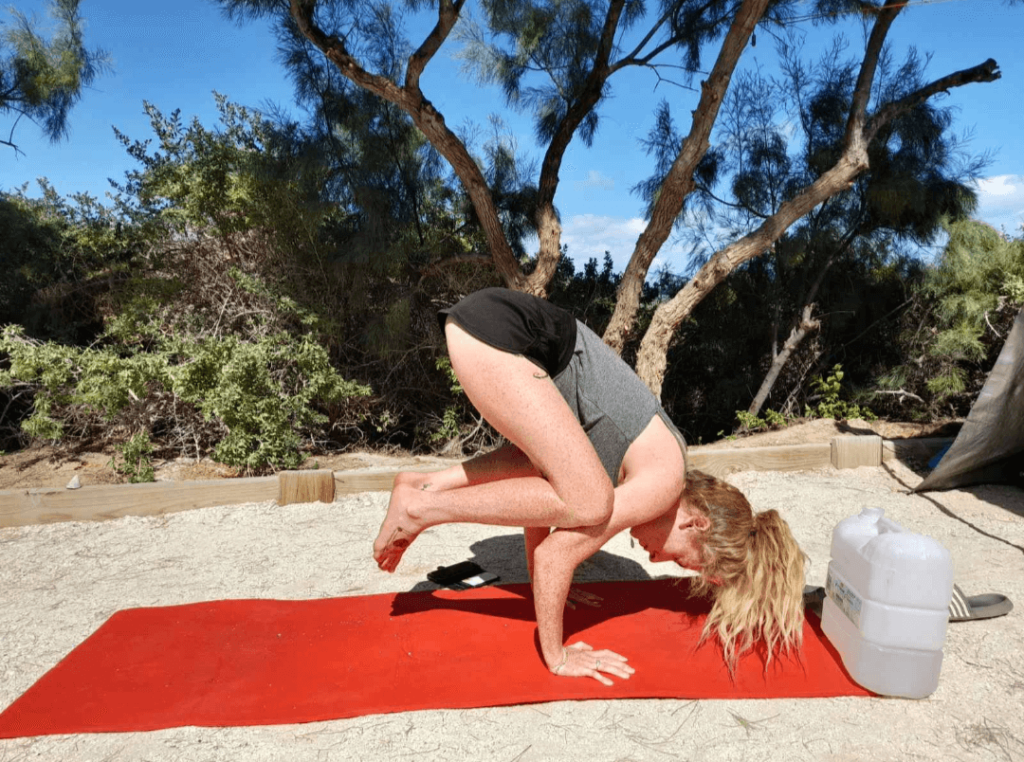
Self care while travelling long term:
- Keep a consistent sleep schedule (as much as possible)
- Build tiny habits (morning coffee, journaling, walks)
- Treat rest as essential—not optional
Another major contributor to travel anxiety—and a key part of how travel affects mental health—is financial uncertainty.
Even when everything else is going well, underlying worries about budget, unexpected costs, or long-term sustainability can sit in the background and create ongoing stress.
I’ve definitely had moments where nothing was wrong in the present—but I was mentally calculating future expenses, and it quietly affected my ability to relax.
What helps:
- Set a realistic travel budget with buffer room
- Track spending to reduce uncertainty
- Plan occasional “financial reset” stops
Check out some more of our top travel guides to lessen your travel stress:
- Budgeting While Travelling: 💰 Master Your Travel Budget – Learn How to Travel Smart Without Breaking the Bank!
- Saving for Travel: 🏖️ Start Saving Today – Turn Your Travel Dreams into Reality!
- Ultimate List of Travel Tips: ✈️ Travel Like a Pro – Discover the Ultimate Tips Every Adventurer Needs!
5. How Travel Affects Mental Health: Travel Burnout Symptoms and Recovery
At some point, many long-term travellers hit a wall.
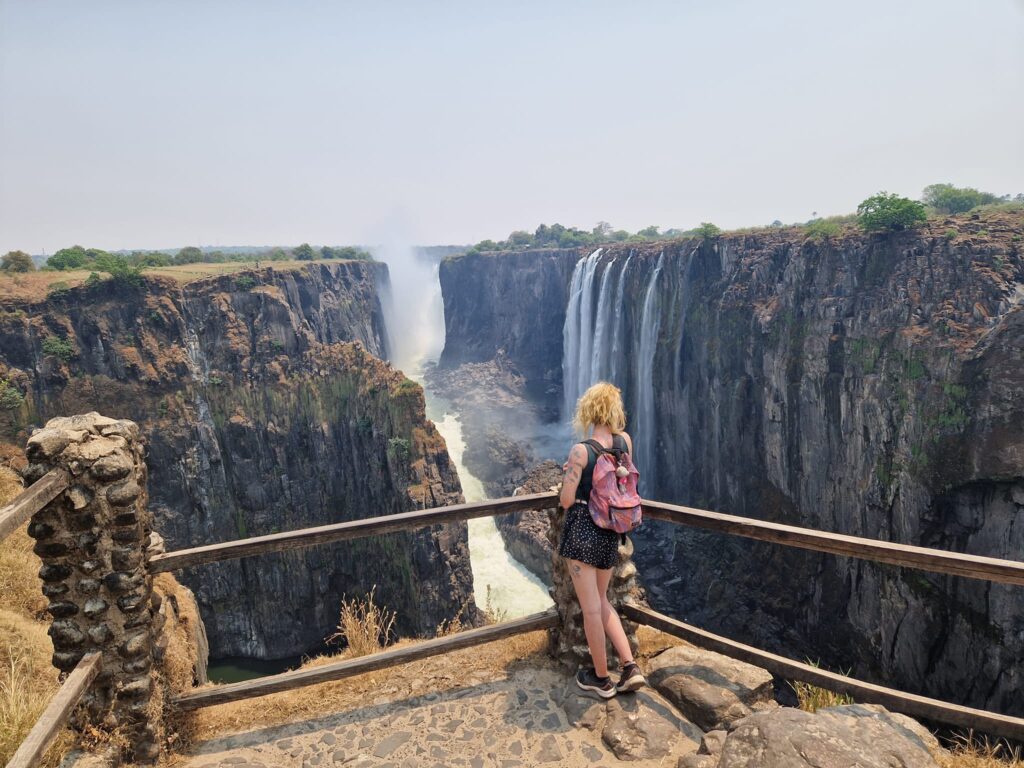
I remember overlooking Victoria Waterfall in Zambia —somewhere I had dreamed of visiting for years—and feeling… nothing. No excitement, no curiosity, just exhaustion. (In fairness, we had travelled from Cairo via Public transport!)
That was my first real experience of travel burnout.
Recognising Travel Burnout
Travel burnout shows up in a few clear ways:
- Emotional numbness or lack of excitement
- Irritability or constant fatigue
- Loss of interest in new places
Another tricky layer is the pressure to enjoy every moment. There’s an unspoken expectation that if you’re travelling, you should feel grateful, excited, and happy all the time, “living your best life!” When you don’t, it can create guilt.
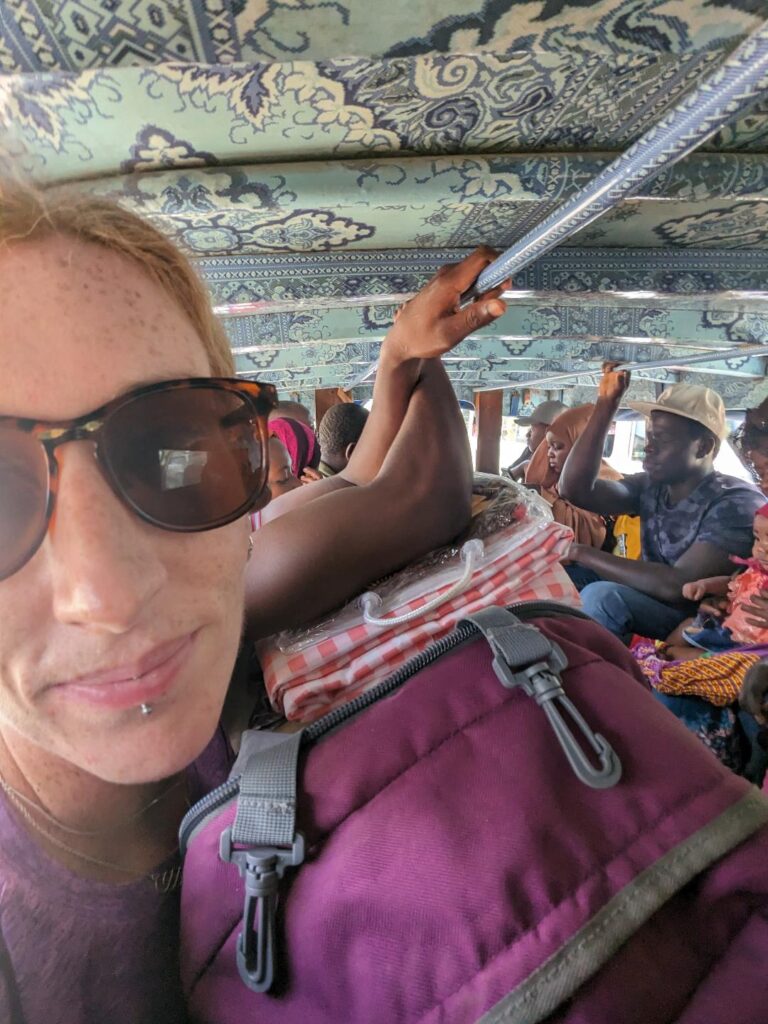
I’ve had moments thinking, “Why don’t I feel more excited right now?”—which only made the exhaustion worse. That internal pressure can turn travel into something that feels performative rather than enjoyable.
Recovering from Travel Burnout
- Stay in one place longer to recharge
- Reintroduce normal life routines: cooking, gym, sleep schedule
- Remove the pressure to “make the most of every day”
- Accept neutral or low-energy days as part of the experience
If there’s one thing I’d do differently starting out, it’s this: slow down sooner.
How to avoid burnout while travelling comes down to pacing. We used to move constantly—trying to see everything. It looked great on paper, but it wasn’t sustainable.
⚠️ Important (and possibly the best advice you’ll read): splurge a little—guilt-free. Book somewhere nice, slow down, and do absolutely nothing for a few days. Consider it essential self-care while travelling… and honestly, you’ve earned it.
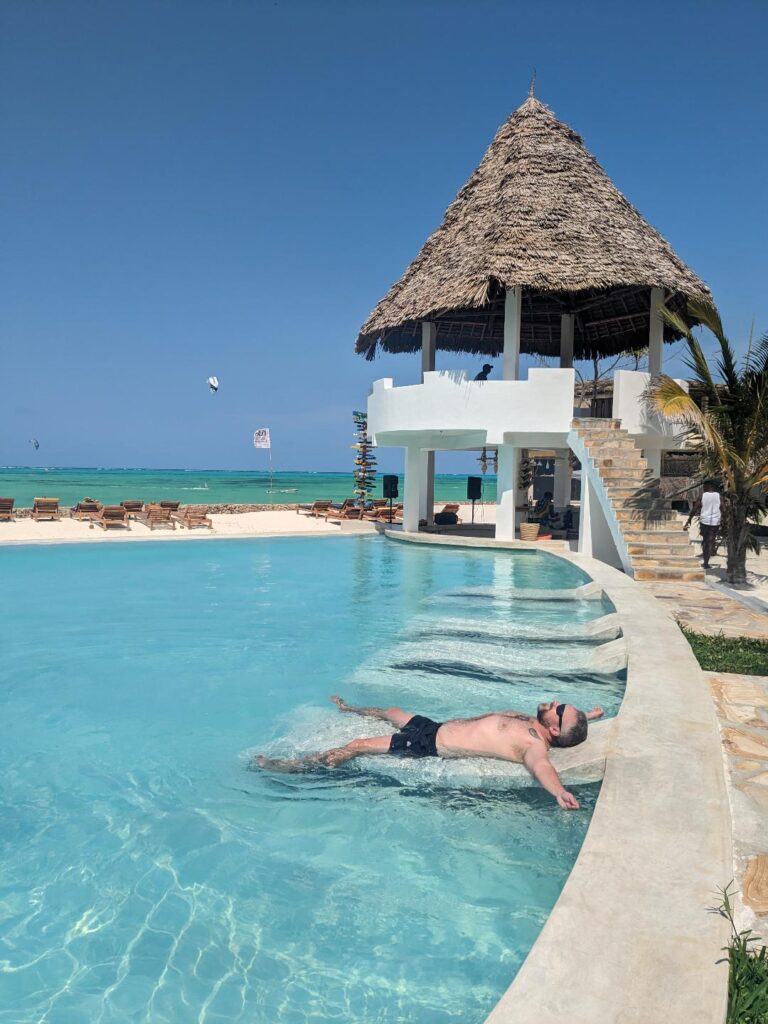
🏝️ Watch this video to see what slow travel looks like for us as a full-time travel couple. We need to slow down into a more structured routine when we are feeling stressed in our relationship while travelling.
6. Does Travel Help Depression or Make It Worse?
A very common question is: does travel help depression or make it worse?
The honest answer—based on both psychology and real travel experience—is: it depends.
Can travel help depression?
In the right conditions, travel can have a positive impact on mental health and depression.
Things like:
- Sunlight exposure (linked to improved mood and vitamin D levels)
- Physical movement (walking, exploring, being active)
- Novelty and new experiences (which can boost dopamine)
- Time away from stressful environments
These can all contribute to feeling better—especially in the short term.
For many people, travel creates space to reset, reflect, and break out of negative routines.
Why travel doesn’t always “fix” depression
At the same time, travel doesn’t override your internal world.
You can be in an incredible place and still feel low—and that can be confusing.
I’ve had days in beautiful places where I still felt low—and that can be confusing. You start thinking, “Why do I feel like this when everything is so good?”
That’s because depression isn’t caused by your location alone. It’s influenced by deeper factors like brain chemistry, thought patterns, stress, and life circumstances.
In some cases, travel can even make things harder due to:
- Lack of routine or structure
- Poor sleep or burnout from constant movement
- Loneliness or lack of support
- Decision fatigue and overstimulation
How to support your mental health while travelling
If you’re travelling while dealing with low mood or depression, the goal isn’t to “fix it” with travel—but to support yourself while you’re away.

What helps:
- Maintain a sense of purpose: Work, personal goals, or even small daily plans can give structure
- Stay connected: Regular contact with friends or family helps reduce emotional isolation
- Create simple routines: Sleep, movement, and meals matter more than you think
- Slow down your travel pace: Constant movement can increase stress and exhaustion
- Seek support if needed: Therapy, online support, or professional help is still accessible while abroad
The reality most people don’t say
Travel can be amazing for your mental health—but it’s not a cure for depression.
It can support healing, but it can also highlight things you’ve been avoiding.
And that’s not a failure—it’s just being human.
7. Relationship Stress While Travelling Together
Spending 24/7 together sounds romantic—until you’re both tired, hungry, and trying to navigate a new city.
Relationship stress while travelling together is incredibly common—and a very real part of how travel affects mental health.
We’ve had arguments over things we’d never argue about at home—like where to eat or which direction to walk.
Not because the issues were big, but because we were mentally drained.
What helps:
- Divide responsibilities
- Schedule alone time (even just a walk)
- Talk early, not mid-argument
Read more about this topic in our detailed Guide to Maintaining a Healthy Relationship While Travelling as a Couple
8. Solo Travel Loneliness Coping Strategies
Solo travelling and loneliness is something people don’t talk about enough—but it’s one of the most common mental health challenges on the road.
Even if you enjoy your own company, extended solo travel can feel isolating, especially when you’re constantly moving, leaving places, and rebuilding connections from scratch.
Humans are wired for connection. Without regular social interaction, it’s completely normal to experience dips in mood, motivation, and overall mental well-being while travelling.
Why solo travel can feel lonely
Loneliness during solo travel isn’t just about being alone—it’s about the lack of meaningful connection. You might meet people every day, but without deeper relationships, it can still feel isolating.
Common reasons include:
- Constant goodbyes and short-term friendships
- Lack of routine or familiar faces
- No emotional support system nearby
- Social media making it seem like everyone else is always thriving
Solo travel loneliness coping strategies
If you’re struggling with loneliness while travelling alone, these simple strategies can help you reconnect—with others and yourself.
- Stay in social environments: Hostels, co-living spaces, and guesthouses make it easier to meet people naturally
- Join tours or group activities: Walking tours, classes, and day trips create easy, low-pressure social interaction
- Be open to small conversations: Even quick chats in cafés or on transport can boost your mood more than you expect
- Create connection routines: Regular calls with friends or family help maintain emotional stability
- Use travel communities: Apps and digital nomad groups can help you find like-minded people nearby
- Slow down your travel: Staying longer in one place makes it easier to build deeper, more meaningful connections
9. Mental Health While Travelling Full Time: The Emotional Highs and Lows
One of the biggest realities of mental health while travelling full time is that it’s not consistently amazing—it’s a mix of extremes.
It’s a mix of:
- Incredible highs (freedom, new experiences, bucket-list moments)
- Unexpected lows (fatigue, loneliness, disconnection, burnout)
Living this lifestyle shows you very quickly how travel affects mental health over time—it fluctuates more than people expect.
One week you can feel on top of the world, and the next, completely drained or unmotivated.
Why emotions fluctuate more when travelling full time
Full-time travel removes many of the stabilising factors you’d normally rely on in everyday life.
Things like:
- Routine and structure
- Familiar environments
- Consistent relationships
- A sense of long-term grounding
Without these, your mental health can feel more reactive—shifting depending on sleep, location, social interaction, and stress levels.
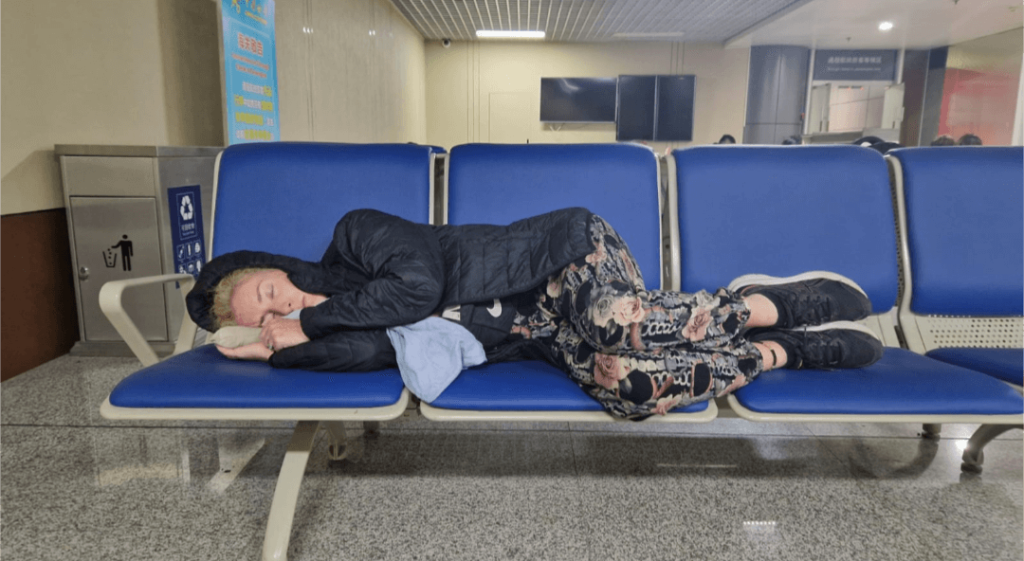
Add in things like travel days, decision fatigue, and constantly adapting to new environments, and it’s easy to see why emotional highs and lows become more intense.
How to stay mentally balanced while travelling full time
The key isn’t avoiding the highs and lows—it’s learning how to create stability within an unstable lifestyle.
What helps:
- Create stability wherever you are: Even small routines (morning coffee, walks, journaling) can ground you
- Keep consistent habits: Sleep, movement, and regular meals have a huge impact on mood
- Slow down your pace: Constant movement increases burnout and emotional exhaustion
- Build temporary routines: Treat each location like a short-term “base” rather than a stopover
- Stay connected to people: Regular contact with friends, family, or other travellers helps maintain balance
- Accept emotional ups and downs as normal: This lifestyle naturally comes with fluctuation—it doesn’t mean something is wrong
The part people don’t talk about
Full-time travel is often shown as one long highlight reel—but the reality is much more human.
There are incredible moments—but also tired days, low moods, and times where you question what you’re doing.
Understanding that this is normal is one of the most important parts of protecting your mental health while travelling.
10. How Travel Affects Mental Health Through Loss of Routine and Identity
One of the more unexpected ways how travel affects mental health long term is through a gradual loss of stability—and even identity.
When you’re constantly moving, you lose the small things that normally ground you:
- Familiar places
- Daily routines
- A clear sense of “where you belong”
At one point, I remember being asked a simple question: “So, where are you based?”
And I didn’t really know how to answer. We had been moving so often that I no longer felt tied to any place—and surprisingly, that started to feel unsettling rather than freeing.
From a psychological perspective, identity is partly shaped by consistency and environment. When both are constantly changing, it can leave you feeling slightly unanchored.
This is a subtle but important part of how travel affects your mental health when travelling full time—you gain freedom, but you can also lose a sense of grounding.
What helps:
- Create “familiar anchors” (same habits in every location)
- Stay longer in places to rebuild routine
How Travel Affects Mental Health After You Come Home (Reverse Culture Shock)
One of the least talked about ways how travel affects mental health long term happens after the trip ends.
Reverse culture shock is the feeling of disorientation or low mood when returning home after extended travel.
After constantly experiencing new environments, your brain adapts to novelty and stimulation. Returning to routine life can feel slower, less exciting, and sometimes just a bit… strange.
I’ve felt this after longer trips—but for us, it was on a slightly bigger scale.
We originally left Ireland for what was meant to be three months… and somehow didn’t come back for seven years. Oops!
When we finally did return, it wasn’t that anything was wrong—it just felt different.
We’d changed. Our routines, mindset, and even what we wanted from life didn’t quite match the version of “home” we had left behind.
It was a weird in-between feeling—as we belonged, but also didn’t fully fit anymore.
That in-between feeling is something a lot of long-term travellers experience, even if they don’t talk about it.
What helps:
- Give yourself time to readjust
- Keep elements of travel in your routine (walking, exploring locally)
- Stay connected to the parts of yourself you discovered while travelling
- Don’t expect to feel “normal” immediately
Takeaway Tips: Protecting Your Mental Health While Travelling
You’ve probably noticed that these main points keep coming up throughout the article. They’re the key factors in understanding how travel affects mental health, and keeping them in mind can make your trips smoother and more enjoyable.
- Build routines quickly in new places
- Prioritise sleep over squeezing in more plans
- Stay connected with friends and family
- Set realistic expectations (not every day is amazing)
- Take breaks from constant movement
- Check in with yourself regularly
Is Travel Good for Your Mental Health?
So, is travel good for your mental health?!
Research suggests travel can:
- Increase creativity
- Improve adaptability
- Boost life satisfaction
But it’s not a cure.
The most important thing I’ve learned is this:
Travel doesn’t fix your mental health—it reveals it.
That’s the most honest answer to how travel affects mental health.
Watching the following video will probably make you think travel is not good for your mental health (how tired does Kevin look?!), but trust us, we have a lot more good days than not!
FAQ: How Travel Affects Mental Health
How does travel affect mental health long term?
Long-term travel can improve wellbeing through freedom and novelty, but may also increase stress, burnout, and emotional fatigue without routine.
Does travel reduce stress or increase it?
Both. Travel can reduce stress short term, but increase it through constant decision-making and unpredictability.
What are the biggest mental health challenges while travelling?
Travel anxiety, burnout, loneliness, and lack of routine are the most common.
How do I manage anxiety while travelling?
Use grounding techniques, plan key details in advance, and build familiarity in new environments.
Can travelling alone affect mental health?
Yes—solo travel can boost independence but also increase loneliness without social connection.
Final Thoughts: Travel Isn’t Always Easy—And That’s Normal
Travel can be one of the most rewarding things you ever do.
But it can also be tiring, emotional, and sometimes overwhelming.
Understanding how travel affects mental health—through both science and real experience—allows you to approach it differently. With more awareness, more balance, and more compassion for yourself on the harder days.
Because the goal isn’t perfect travel.
It’s mentally healthy, sustainable travel—and that looks different for everyone.
If you have any questions, please leave us a comment below, and don’t forget to check out our socials for our latest adventures!
Slán go fóil


This post contains affiliate links. If you click on the links to make a purchase, we will earn a small commission. This is at NO EXTRA COST to you. This is a free way to support us and allow us to continue to create inspiring adventure travel guides.