
Pre-travel anxiety is far more common than most people realize—even among seasoned travelers. With a Master’s in Counselling Psychology and having travelled full-time with my husband, Kevin, since 2022 as part of Happy Irish Wanderers, I understand both the science and the lived experience of pre-travel anxiety. That contrast—feeling excited while also feeling anxious—can be confusing, but it’s actually very human.
From a psychological perspective, pre-travel anxiety comes from the mix of anticipation and uncertainty. While planning a trip is exciting, as departure nears our brains scan for risks—missed flights, unfamiliar surroundings, or unexpected problems. This natural stress response is your nervous system’s way of keeping you safe, which is why pre-travel anxiety and general travel anxiety are so common.
Many guides focus on basics like deep breathing, mindfulness, or general relaxation techniques—and while these are important tools for managing travel anxiety, this guide goes a step further. I’ll share more in-depth, evidence-based strategies that combine psychological research, practical visualization, self-compassion techniques, and lived experience to help you truly manage pre-travel anxiety and protect your mental health while travelling.
What is Pre-Travel Anxiety?
Pre-travel anxiety is a specific form of anticipatory anxiety that occurs before a journey. It can show up as feelings of worry, tension, or physical symptoms like a racing heart, sweaty palms, or restlessness. Importantly, it can affect even travelers who genuinely love exploring new places.
From a psychological perspective, pre-travel anxiety reflects the brain’s natural cautionary mechanism. Your nervous system interprets the unknown elements of travel as potential threats, triggering the fight-or-flight response—elevated heart rate, increased alertness, and heightened stress hormones—all designed to keep you safe – thank you body!
Interestingly, moderate anxiety can actually be helpful. It can improve focus, motivation, and planning by prompting travellers to double-check their plans, pack efficiently, and anticipate challenges. The problem arises when anxiety becomes excessive, persistent, or disruptive, which is why coping with travel anxiety and protecting your mental health while travelling is so important.
The Science Behind Anticipation and Anxiety
From a neuroscientific perspective, pre-travel anxiety involves multiple brain regions. The amygdala, which processes fear and threat, becomes more active when anticipating uncertainty, while the prefrontal cortex, responsible for rational thought and planning, works to assess risks and generate solutions. This interplay—excitement versus apprehension—is the hallmark of travel anxiety.
Prolonged anticipatory stress can also create physical symptoms such as muscle tension, sleep disturbances, or digestive discomfort. That’s why some travellers feel exhausted or “wound up” even before their trip begins. Understanding these mechanisms helps you see that anxiety is a natural response—and that there are effective ways to cope with travel anxiety and protect your mental health while travelling.
My Personal Experience: The Emotional Rollercoaster of Travel
Having traveled full-time since 2022 with Kevin, I’ve experienced pre-travel anxiety in both familiar and entirely new contexts. Even after years of exploring the world, certain trips—especially those involving logistical complexity or unfamiliar destinations—can trigger a strong anxious response.
What’s fascinating is that anxiety often coexists with excitement. One moment, I’m imagining wandering through bustling markets or hiking a scenic trail; the next, I’m worrying about lost reservations or transportation delays. Psychologically, this duality reflects the tension between approach behaviour (seeking rewards and novelty) and avoidance behaviour (avoiding potential threats). Recognising this pattern was the first step toward managing it effectively.
One thing is for sure: I’ve stopped wondering what’s “wrong” with me and have learned to accept that this mix of excitement and worry is completely normal. But let’s dive into the tools I’ve put in place to help me achieve this mindset around pre-travel anxiety.
Practical Strategies for Managing Pre-Travel Anxiety
1. Understanding Your Body’s Response to Travel Stress
One of the most empowering strategies is simply understanding what your body is doing. Instead of interpreting symptoms—like a racing heart or tense muscles—as signs of danger, I frame them as the nervous system performing its protective function. This perspective shift—from fear to curiosity—reduces the intensity of the reaction and helps me respond more mindfully.
When a travel anxiety symptom pops its head up, I pause and think, “How awesome is my body that it’s doing all this to keep me safe?” Then, silently or out loud (whatever you’re into!), I say, “Thank you, body, for trying to protect me, but I got this!” That small act of gratitude makes a huge difference in feeling grounded and in control.
2. Acceptance and Commitment Therapy (ACT)
Building on tip one, once you’ve learned to notice and understand your body’s responses to travel stress, Acceptance and Commitment Therapy (ACT) provides practical ways to work with those sensations instead of fighting them. One approach I’ve found especially helpful is simply making space for anxiety rather than trying to get rid of it.
When I feel it rising, I consciously soften instead of tense—expanding my body, breathing into the sensation, and allowing it to move rather than resisting it. It sounds simple, but it changes the relationship you have with the feeling. Anxiety tends to pass more easily when it’s not being fought, which is particularly useful for managing pre-travel nerves.
3. Practical Visualisation of Travel Uncertainty
When it comes to managing pre-travel anxiety, one of my go-to strategies is visualisation. I also rely heavily on this practical, grounded approach to reduce travel stress and prepare for the journey ahead. I’ll mentally walk through parts of the trip: arriving in a new country, navigating public transport, and finding my accommodation. Then I ask myself, “What’s the worst that could realistically happen?” And for each scenario, I follow it with, “Okay—what would I do then?” By the time I’ve worked through a few layers, I usually have a plan A, B, C, and D. That process removes a huge amount of uncertainty. In reality, those worst-case scenarios rarely happen—but knowing I could handle them if they did is what settles my mind and eases pre-travel anxiety.
Research and expert advice on anxiety suggest that visualization works best when it involves rehearsing coping strategies in your mind. Practicing these “what-if” scenarios helps the brain feel prepared, reduces anticipatory worry, and provides practical tools to cope with pre-travel nerves, making the whole travel experience feel more manageable and less intimidating.
4. Positive Cognitive Reframing Around Pre-Travel Anxiety
Both visualisation and positive planning help reduce travel uncertainty, but another powerful tool is learning to consciously reframe your thoughts. Once you’ve mapped out “what-if” scenarios in your mind, you can take it a step further by shifting your focus from what might go wrong to what could go right.
We’re very good as humans at repeating “what if it all goes wrong?” or jumping straight to the worst-case scenario. Something I’ve found surprisingly helpful is consciously countering that with, “What if it all goes right?” What if the journey is smooth, you find everything easily, and things fall into place? It sounds simple, but actively offering your mind an alternative narrative can soften the intensity of anxious travel thoughts—and sometimes it even puts a bit of a smile on your face! This underappreciated tip is a surprisingly effective way to ease travel anxiety and maintain mental well-being while travelling.
5. Support Networks While Travelling
One often overlooked factor in managing pre-travel anxiety is having a safe, supportive person. For me, that’s my husband, and travel buddy – Kevin. Communication is key when it comes to travel anxiety—sometimes simply saying, “I’m feeling a bit anxious about the trip today,” is enough. There’s no need to fix it; being heard without judgment creates space for the feeling to ease and supports self-care while travelling. And yes, an extra squeeze of the hand during the flight never hurts!
If you’re traveling solo, support can still exist—you just need to be intentional about it. Having someone you trust “on call,” even just to listen for a few minutes, can be an incredibly grounding tool. Letting them know in advance that you might check in on tougher days makes it easier to reach out when needed and strengthens your ability to cope with travel anxiety and protect your mental health while travelling.
6. Recovery and Self-Care Around Travel
In the days leading up to a trip, anxiety can also come in waves—and something that’s often overlooked is how exhausting that can be. It’s not just the feeling itself, but the comedown afterwards. I’ve learned to treat that the same way I would physical exertion—you need recovery. Whether that’s slowing things down, resting more, or keeping your schedule lighter before departure, it all helps regulate your nervous system. In a way, that recovery becomes part of the “training”—it actually builds your capacity to handle pre-travel anxiety over time.
There’s also an important difference between self-soothing and getting stuck in the feeling. Self-soothing is about supporting your nervous system and helping yourself move through the experience, whereas overthinking or “wallowing” can keep you looping in it. Learning that distinction has been a big shift for me. Over time, you build a kind of personal “recovery kit”—a set of tools and supports you know you can return to when travel anxiety shows up.
7. Building a Personal Recovery Toolkit
Developing a personalized set of coping tools can help you navigate pre-travel anxiety and protect your mental health while travelling. Based on both my background in psychology and years of full-time travel experience, my toolkit includes:
- Grounding exercises (5-4-3-2-1 method) to anchor attention in the present.
- Deep breathing techniques to calm the nervous system.
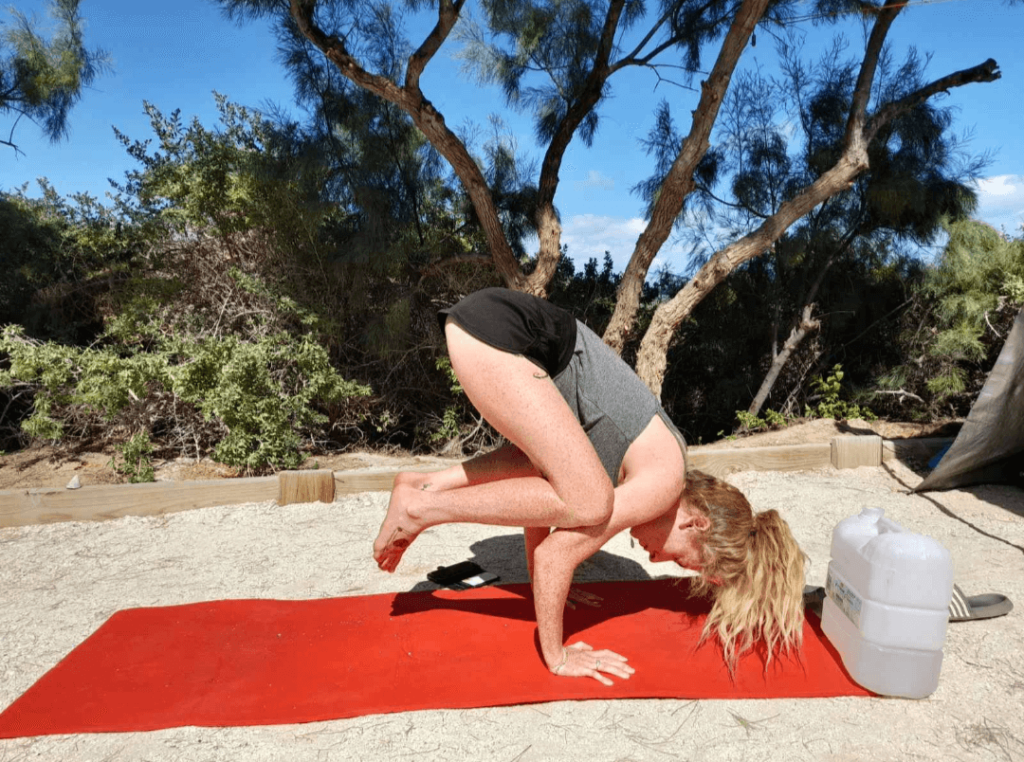
- Gentle exercise, like calming yoga routines.
- Mindful visualization to rehearse journeys and reduce uncertainty.
- Journaling worst-case/worst-realistic scenarios to feel prepared.
- Pre-arranged check-ins with supportive friends or family for emotional grounding.
Over time, practising these strategies builds a sense of reliability and control, helping you cope with travel anxiety more effectively and approach trips with confidence.
If you’re travelling with your partner, anxiety can sometimes affect your relationship too. For tips on staying connected, communicating effectively, and maintaining a healthy relationship while travelling as a couple, check out our full guide here. These strategies, grounded in psychology and real-world experience, help you enjoy your adventures together—calm, confident, and connected.
The Role of Lifestyle in Pre-Travel Anxiety
It’s also important to zoom out and look at what’s happening behind the scenes. How we’re sleeping, eating, moving, and generally taking care of ourselves in the lead-up to travel plays a big role in how we experience pre-travel anxiety. It’s not just about what we do in the moment—it’s about the baseline we’re operating from. This is why self-care while travelling is so critical: it directly impacts our ability to manage anxiety before travel.
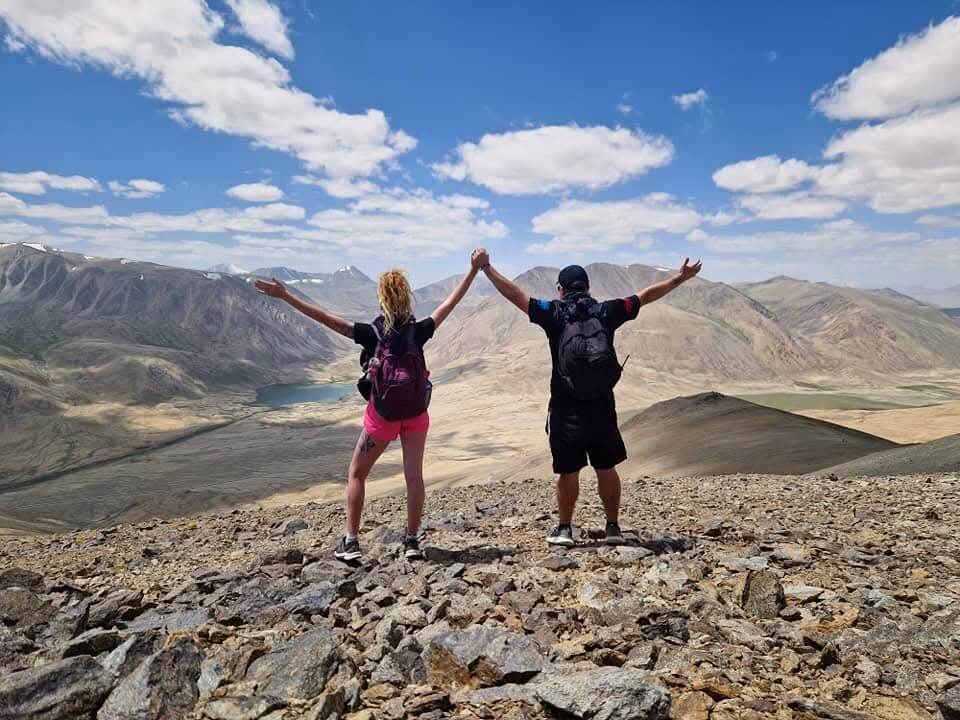
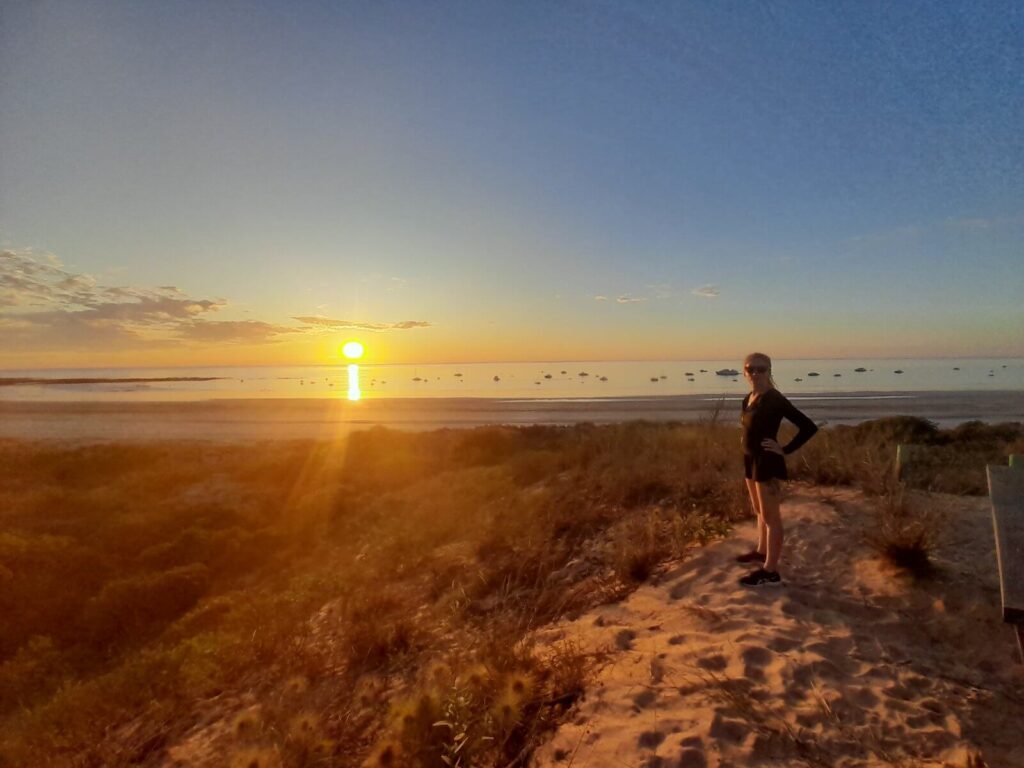
Research in psychology and stress science shows that regulating your sleep, nutrition, and exercise can help reduce anticipatory stress responses, making it easier to cope with travel anxiety and approach trips with calm and confidence.
How Common is Pre-Travel Anxiety?
You are not alone if you experience pre-travel anxiety. In today’s world, we’re encouraged to “live our best lives” and travel more than ever, but we’re also constantly exposed to negative news and worst-case scenarios. That creates a kind of internal conflict—part of us wants to explore, while another part wants to stay safe. Feeling anxious before a trip doesn’t mean you’re not suited to travel—it just means you’re human. Travel anxiety is a shared experience among solo travellers, couples, and even seasoned globetrotters.
Research shows that anticipatory anxiety is common across age groups and levels of travel experience. Even frequent travelers report moments of nervousness, especially when visiting new destinations or navigating complex logistics.
Check out some more of our top travel guides below:
- Budgeting While Travelling: 💰 Master Your Travel Budget – Learn How to Travel Smart Without Breaking the Bank!
- Saving for Travel: 🏖️ Start Saving Today – Turn Your Travel Dreams into Reality!
- Ultimate List of Travel Tips: ✈️ Travel Like a Pro – Discover the Ultimate Tips Every Adventurer Needs!
Scientific Insights: Why Pre-Travel Anxiety Exists
From an evolutionary standpoint, anxiety is a survival mechanism. Early humans needed to anticipate danger to survive, and the brain still responds similarly to uncertain situations today. Even though modern travel rarely carries life-or-death stakes, our brains continue to scan for threats, which explains why pre-travel anxiety and travel anxiety can feel so intense.
Interestingly, moderate anxiety can actually improve planning and vigilance, helping you stay alert and organized. Excessive anxiety, however, can impair functioning and enjoyment, highlighting the importance of coping with travel anxiety and maintaining mental health while travelling.
Integrating Science with Experience: My Personal Approach
Travelling full-time has allowed me to experiment with multiple strategies, combining psychological science with lived experience to manage pre-travel anxiety and protect mental health while travelling.
- Acknowledgement: Recognizing anxiety as a natural response and part of travel anxiety.
- ACT Practices: Allowing feelings without fighting them, a key technique for coping with travel anxiety.
- Visualization and Planning: Creating mental rehearsal and contingency plans to reduce uncertainty.
- Positive Reframing: Offering alternative, optimistic narratives to counter “what if” thinking.
- Support Networks: Using trusted people as emotional anchors to feel grounded.
- Lifestyle Support: Prioritizing sleep, nutrition, and movement as part of self-care while travelling.
- Recovery Focus: Treating pre-travel nervousness like physical exertion, giving your nervous system time to rest and recover.
This combination not only reduces the intensity of pre-travel anxiety but also transforms it into a manageable and even useful experience, helping travelers approach each trip with calm, confidence, and resilience.
FAQ: Pre-Travel Anxiety and Travel Stress
1. What is pre-travel anxiety?
Pre-travel anxiety is a form of anticipatory anxiety that occurs before a trip. It can cause worry, restlessness, sleep disturbances, and physical tension. Even seasoned travelers experience it, and it’s a natural response to uncertainty and new experiences.
2. Why do I feel anxious before traveling?
Feeling anxious before travel is normal. Your brain scans for potential risks—missed flights, unfamiliar destinations, or travel mishaps. This heightened alertness is part of your nervous system’s protective mechanism, and it’s common in both first-time and experienced travelers.
3. How can I manage anxiety before travel?
Coping with travel anxiety involves both practical and psychological strategies. Basics like breathing exercises and mindfulness help, but in-depth techniques such as visualization, planning for worst-case scenarios, self-compassion, and Acceptance and Commitment Therapy (ACT) are highly effective for managing pre-travel nerves.
4. How can I protect my mental health while travelling?
Maintaining mental health while travelling includes prioritizing sleep, balanced nutrition, regular movement, and recovery time before and during your trip. Combining lifestyle habits with anxiety-management tools reduces stress and enhances your overall travel experience.
5. Can self-care while travelling reduce pre-travel anxiety?
Yes. Practising self-care while travelling, like staying hydrated, resting, journaling, and connecting with supportive people, can significantly reduce pre-travel anxiety and help you approach trips with confidence and calm.
6. Are there long-term strategies for coping with travel anxiety?
Building a personal toolkit of strategies—grounding exercises, mindfulness, visualization, positive reframing, and support networks—can help you consistently manage travel anxiety over time. This strengthens your resilience and makes future trips more enjoyable.
Final Thoughts: Reframing Pre-Travel Anxiety
The goal isn’t to eliminate pre-travel anxiety, but to shift how you relate to it. By approaching it with understanding, preparation, and self-compassion, anxiety becomes less of an obstacle and more of a guide—a signal that helps you prepare, plan, and ultimately enjoy your travel experiences.
As a psychologist and full-time traveller, I can confirm that travel anxiety is a shared human experience. Practising practical strategies like visualisation, Acceptance and Commitment Therapy (ACT), grounding exercises, and relying on supportive networks can help you cope with travel anxiety and manage pre-travel nerves effectively.
Prioritising self-care while travelling—including sleep, nutrition, movement, and recovery—also protects your mental health while travelling, ensuring you approach each trip with calm and resilience.
Travel is an adventure not just for the body but also for the mind. And pre-travel anxiety? It’s part of the journey—human, understandable, and entirely navigable.
We would love to hear your thoughts on travel anxiety and which coping methods work for you.
Please feel free to leave us a message below or contact us through our socials.
Mind Yourself.
Slán go fóil


This post contains affiliate links. If you click on the links to make a purchase, we will earn a small commission. This is at NO EXTRA COST to you. This is a free way to support us and allow us to continue to create inspiring adventure travel guides.