


Wondering if Ireland in March is worth the trip? Yes, St Patrick’s Day happens, but that’s not the only reason. March is quiet, bright, and full of authentic Irish atmosphere — perfect for those who want more than the summer crowds.
Days are longer, daffodils bloom, cafés spill onto pavements, and the countryside looks optimistic again. Shoulder-season prices, fewer tour buses, and lively trad sessions make March in Ireland a month that quietly punches above its weight.
This guide covers weather, events, what to pack, itineraries, St Patrick’s Day survival tips, and FAQs — everything you need to make the most of Ireland in March.
Planning a trip to Ireland? Create your ultimate personalized Ireland itinerary to include all the best Irish attractions, delivered by a passionate team of Celtic Experts. Now 15% off for a limited time!!
Ireland in March at a Glance
This overview table is your quick snapshot of what visiting Ireland in March really looks like before we dive into the details.
| Category | What to Expect in March |
|---|---|
| Weather | Cool, changeable, early signs of spring |
| Crowds | Moderate (busy around St Patrick’s Day) |
| Prices | Lower than summer, higher mid‑March |
| Daylight | Rapidly increasing: 11–12.5 hours |
| Festivals | St Patrick’s Festivals! |
| Best For | Culture, scenery, city breaks, road trips |
Weather in Ireland in March: What It’s Actually Like
Let’s be honest — Irish weather has a reputation, and March doesn’t magically fix that. But it does improve things noticeably.
Typical March Weather in Ireland
- Average temperatures: 4–11°C (39–52°F)
- Rainfall: Moderate (showers rather than all‑day rain)
- Snow: Rare, but not impossible early in the month
- Daylight: Around 11–12 hours by late March
March weather in Ireland is famously indecisive. You might experience sunshine, drizzle, wind, and blue skies all in one afternoon — locals call this “a grand day altogether.”
Pro tip: March is not the coldest month, but it feels colder if you’re underdressed. Layers are non‑negotiable.
Does It Rain a Lot in Ireland in March?
Put simply, it rains all the time in Ireland…..joking, joking – kind of!
But yes, expect rain in March — but not constantly. March often brings rain showers followed by bright spells, which is fantastic for rainbows right?! Best advice – dress for it and embrace it!
What to Expect When Visiting Ireland in March 2027
Ireland in March feels like the country stretching after winter in Ireland.
- Tourist sites reopen or extend hours
- Locals are noticeably more upbeat
- Spring flowers are starting to appear
- Coastal scenery looks dramatic, not sleepy
You’ll still encounter cozy pubs, crackling fires, and hearty food — but with a sense that lighter days are on the way.
Is March a Busy Time to Visit Ireland?
It depends on when you visit:
- Early March: Calm, great value, fewer crowds
- Mid‑March (around St Patrick’s Day): Very busy in cities
- Late March: Balanced — lively but manageable
If you want atmosphere without chaos, aim for the first or last third of the month.
Planning to spend a longer time in Ireland? Check out our helpful guides:
The Elephant in the Room: St Patrick’s Day in Ireland
Yes, St Patrick’s Day is in March, and yes, it’s celebrated with gusto across the country. But here’s the secret: it’s far more than one day of green beer and revelry.
The St Patrick’s Festival usually spans several days, especially in Dublin. Visitors can expect parades, live music, cultural performances, street entertainment, and family-friendly activities. Other towns and cities host their own celebrations — often smaller, charming, and more local, giving you a chance to see authentic Irish community spirit.
While it’s true that pubs are lively and there’s plenty of craic (fun), the festival is designed for everyone — families, couples, and solo travellers can all enjoy the parades, interactive events, workshops, and exhibitions. Think of it as a national celebration of Irish culture, history, and creativity, rather than just a party.
👉 For more details, check our full St Patrick’s Day in Ireland guide, which covers where to celebrate, what to do, and how to enjoy the day like a local.
Pub Etiquette for Visiting Ireland in March
St Patrick’s Day is about celebrating Irish culture, not just drinking. Key tips for pubs and festivities:
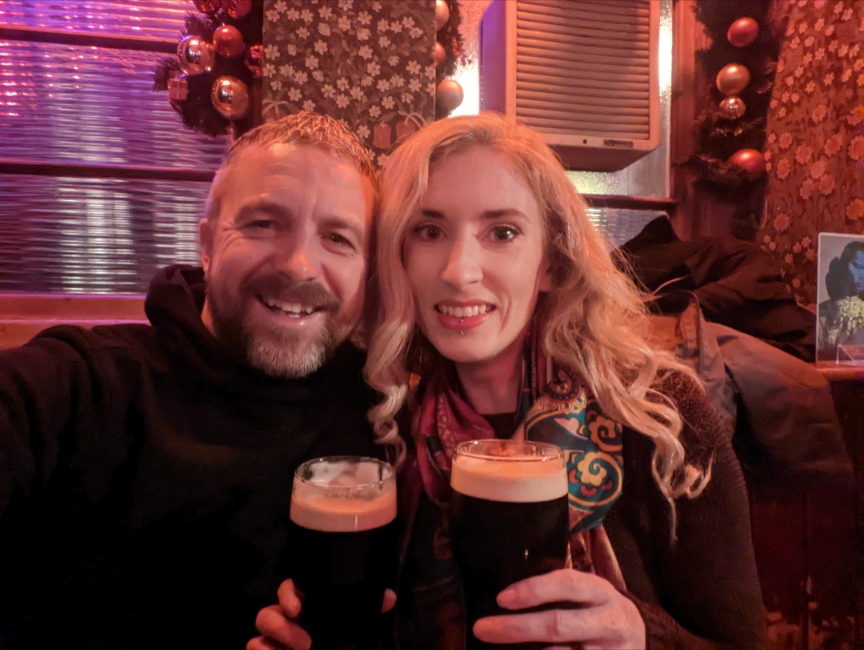
- Be polite at the bar, wait your turn, don’t shout— lines can be long, especially in March.
- If someone buys you a drink, return the favour — buying rounds is part of Irish pub culture.
- Respect the music and performers — Irish trad sessions are cultural highlights, not background noise.
- Join the banter and embrace the craic — laughter and friendly conversation are key to the experience.
- Pace yourself — celebrations can stretch all day; enjoy it like a marathon, not a sprint.
Remember: St Patrick’s Day is as much about celebrating Irish culture, music, and community as it is about enjoying a pint. Approach it with respect, curiosity, and a willingness to join in — and you’ll have an authentic experience.
The MOST Important Survival Tip for St Patrick’s Day
Please remember to refer to it as St Patrick’s Day, not St Patty’s Day. Trust us, this will not go down well in Ireland!
🍀 Ultimate St. Patrick’s Day 4-Day Tour from Dublin
Experience the magic of Dublin during its most vibrant week with this immersive 4-day tour. From March 14–17, you’ll:
- Join a traditional Irish céilí dance and parade watch party
- Visit iconic sites like the Guinness Storehouse and the Wicklow Mountains
- Enjoy an open-top bus tour of Dublin’s festive streets
- Stay in comfortable accommodations with most meals included
👉 Don’t miss out on Dublin’s most festive week — book your Ultimate St Patrick’s Day 4-Day Tour from Dublin now and secure your spot for an unforgettable Irish adventure!
Other Things to do in Ireland in March
Here’s the thing about Ireland in March: there actually aren’t that many major festivals — what can we say, the national celebration of St. Patrick kind of takes over!
That said, Ireland is awesome (in case you didn’t already know!) – for such a small country, it packs an impressive number of incredible things to see and do. Not that we are biased, of course!
Let’s take a look a some of the best things to do in Ireland in March:
🎭 Irish Trad Music Sessions
When: Throughout March
Where: Dublin, Galway, Cork, (basically everywhere you find a pub!)
Step inside a warm, cosy Irish pub and you’ll find the heart of Ireland beating in its music. In March, traditional musicians gather to practice, swap tunes, and perfect their sets for the busy weeks ahead. The air is filled with lilting melodies, tapping feet, and spontaneous bursts of singing — a living, breathing display of Irish culture.
These sessions aren’t just background entertainment; they’re a chance to witness the creativity, skill, and camaraderie of local musicians. Each tune tells a story, and every note connects you to centuries of Irish tradition.
Why tourists enjoy it:
- Drop in anywhere — each pub session has its own character, surprises, and magic
- Immerse yourself in authentic Irish culture in an intimate, lively setting
- Enjoy a unique, indoor experience that’s perfect for March weather
Pro Tip: Different bars offer different trad nights, so just ask at your accommodation or stop anyone in the street — we’re a friendly bunch here in Ireland, and we always love a good chat!
👉 Make sure to check out the best pubs in Ireland with traditional Irish music. But before you encounter Irish pub culture, be sure to be prepared with the best banter you can fit in like a local!
🏰 Seasonal Irish Castle Tours
When: March (many open daily)
Where: Throughout Ireland (Dublin, Kilkenny, Cork, Clare)
March is the perfect shoulder season to explore Ireland’s castles, historic houses, and gardens. The crowds are smaller than in summer, the light is great for photos, and many sites have special seasonal touches to celebrate St Patrick’s Day.
Best Castles in March:
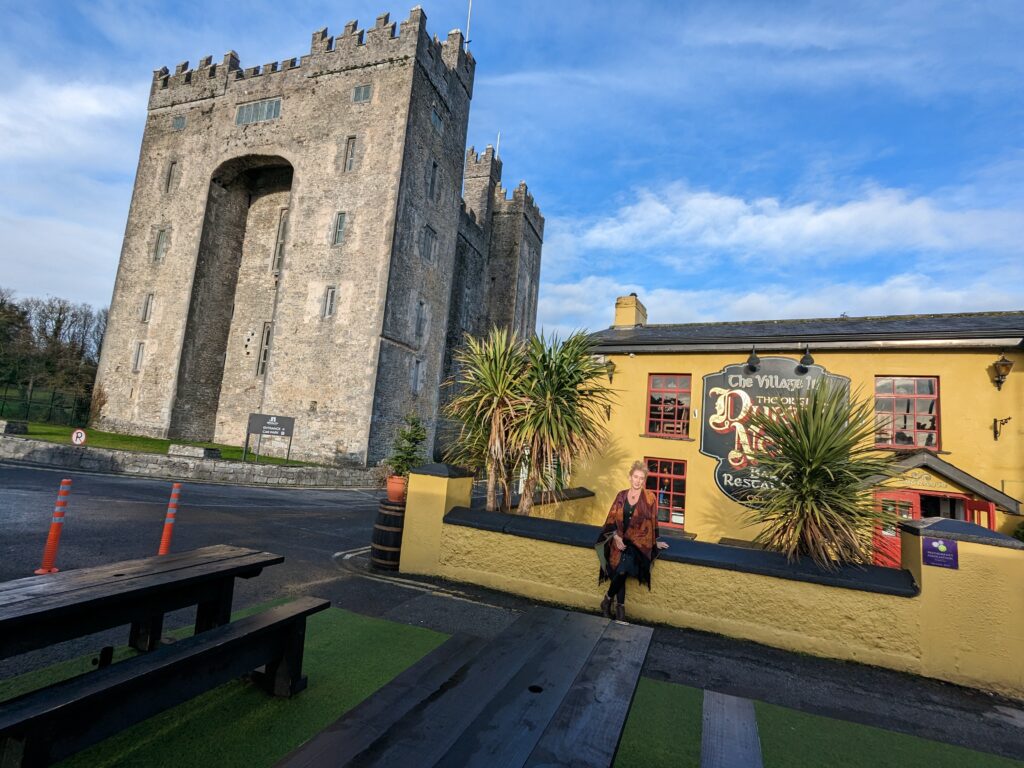
- Bunratty Castle & Folk Park (Clare) – Explore the medieval castle and village, and join the Shamrocks & Shenanigans St Patrick’s Weekend event with music, dancing, and traditional crafts.
- Dublin Castle – Check out exhibitions like Artistic Islands or Irreverent Ireland; a perfect indoor cultural stop if the March weather turns rainy.
- Kilkenny Castle & Park – Wander the elegant rooms, stroll the park, and if you’re visiting March 14–17, enjoy St Patrick’s Festival events like live music, storytelling, and parades in the grounds.
- Malahide Castle (Dublin) – Enjoy guided tours of the castle and gardens, plus spring-themed exhibitions showcasing local history.
Why it’s great for March visitors:
- Combines history, architecture, and local culture
- Flexible indoor/outdoor options for unpredictable weather
- Special seasonal events give a festive Irish experience without the peak-season crowds
- Perfect for families, couples, and solo travellers looking to blend sightseeing with St Patrick’s cheer
Whether it’s castle interiors, manicured gardens, or lively festival activities, March is a surprisingly rich month to soak up Ireland’s heritage in a relaxed, scenic setting.
If exploring castles in Ireland is your thing, check out our list of the best Irish castles to visit during your trip.
🌊 Coastal Drives & Scenic Loops
When: All March
Where: Slea Head Drive, Loop Head, Ring of Kerry, Connemara
Ireland in March is perfect for hitting the road. The landscapes are dramatic, the skies moody, and the roads far quieter than during the summer peak. Early spring light highlights cliffs, rugged coastlines, and sweeping valleys — ideal for photographers, nature lovers, or anyone craving a scenic escape.
What to expect along the way:
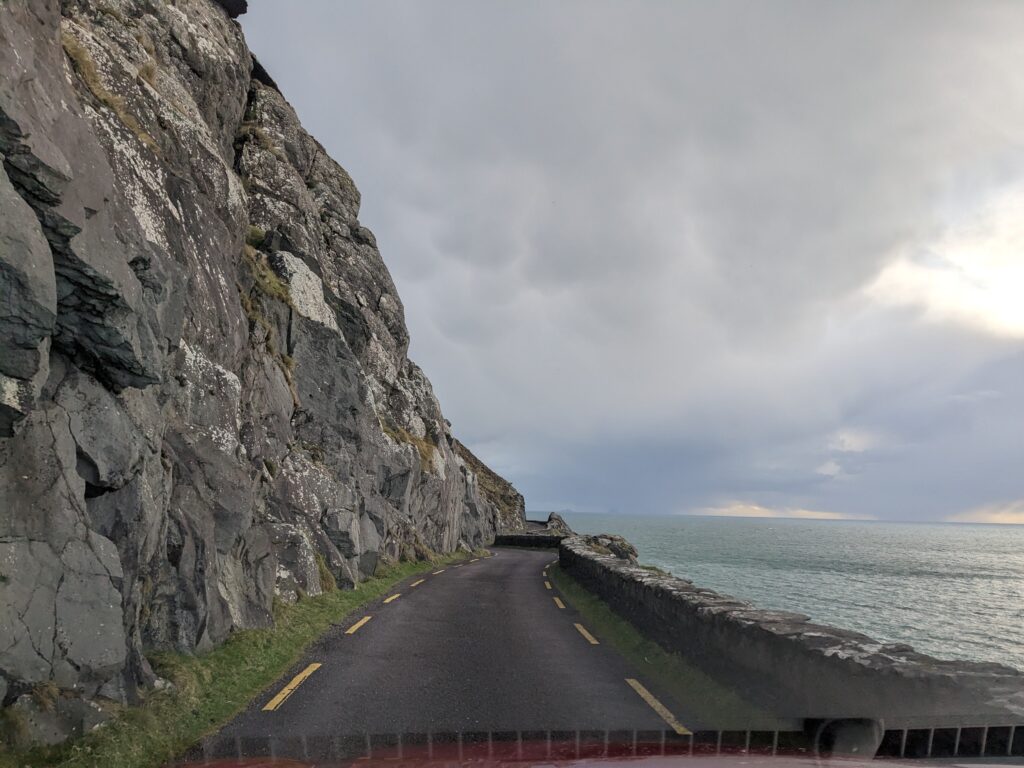
- Slea Head Drive: Iconic Atlantic Ocean views, ancient stone forts, and traditional villages. Stop for a coffee in Dingle town or watch for dolphins in Dingle Bay.
- Loop Head Drive: Clifftop walks, peaceful lighthouses, and panoramic views of the Wild Atlantic Way without the crowds.
- Ring of Kerry: Rolling mountains, sparkling lakes, and small villages like Sneem and Kenmare, perfect for short detours and local artisan shops.
- Connemara Loop: Moors, mountains, and mirror-like lakes create a wild, windswept beauty unique to western Ireland.
- Wicklow Mountains, near Dublin – If your time is limited, don’t worry — you can still experience the beauty of the Irish countryside with a day trip from Dublin to the Wicklow Mountains, just a 1–1.5-hour drive. Misty valleys, cascading waterfalls, and early spring colours make this a magical taste of Ireland’s natural scenery without venturing too far.
If you would prefer to use Dublin as a base while exploring Ireland’s beauty, discover the Best Day Trips from Dublin and find the perfect adventure for you.
Why tourists love it:
- A chance to experience local life in villages along the route, with pubs, cafés, and craft shops waiting to welcome you.
- Freedom to stop at small towns, beaches, and hidden viewpoints.
- Dramatic, ever-changing scenery perfect for photography.
- Peaceful drives that showcase Ireland’s natural beauty before the summer rush.
Tips for March road trips: allow extra time for weather changes, check forecasts, and embrace spontaneous stops — some of the most memorable views aren’t on the map.
Can’t choose? We’ve got you covered with our guide to the 5 Best Road-Trip Itineraries in Ireland
🌿 Spring Gardens, Nature Walks & National Parks
When: March
Where: Powerscourt Gardens (Wicklow), National Botanic Gardens (Dublin), Burren National Park (Clare), Killarney National Park (Kerry), Wicklow Mountains, Connemara National Park (Galway)
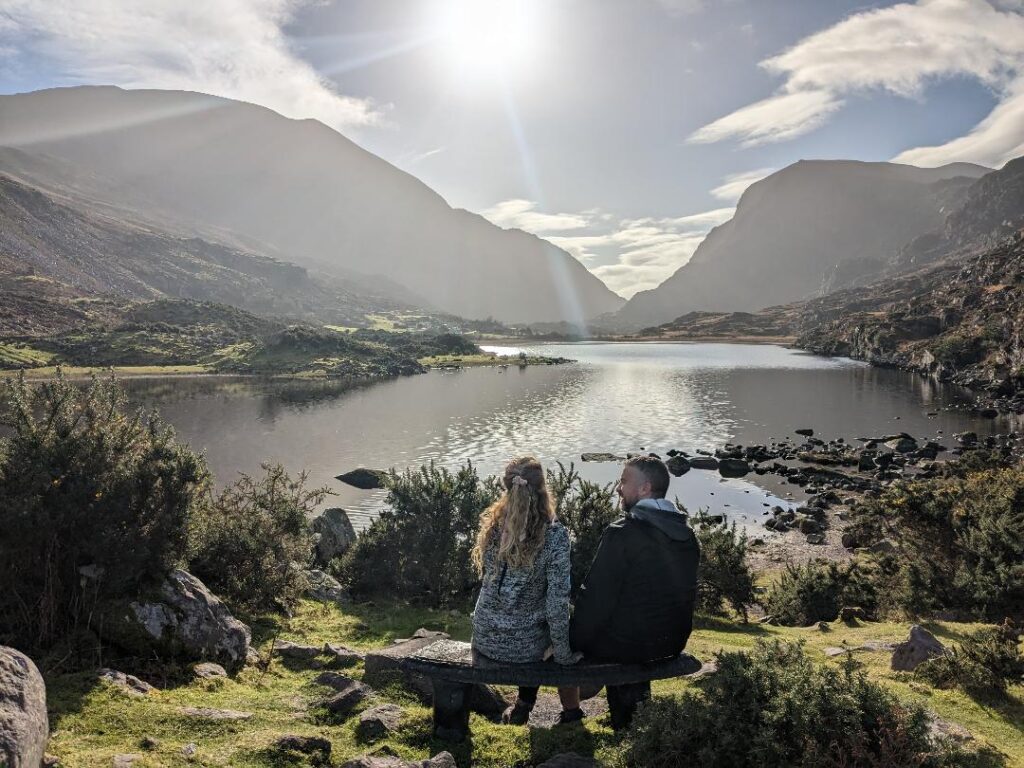
What it is: March is ideal for early spring blooms and quieter trails before the summer crowds arrive. From manicured gardens to rugged national parks, visitors can spot daffodils, primroses, and early wildflowers along peaceful walking paths. Gardens like Powerscourt Gardens begin to show fresh seasonal colour, while the National Botanic Gardens in Dublin offer spring-themed tours and botanical exhibits. In national parks such as Killarney and Glendalough, expect serene lakes, forest walks, and waterfalls — perfect for nature lovers and photographers.
Why tourists enjoy it:
- Ireland’s natural beauty shines as spring colours emerge
- Peaceful escapes from city life, perfect for family-friendly day trips
- Great for photography, gentle hikes, and woodland walks
Why March Is Quiet on the Festival Front (And Why That’s OK)
Ireland in March isn’t about hopping between festivals — it’s about experiencing the country in a quieter, more authentic way.
March in Ireland means:
- Enjoying the country between seasons, when landscapes are waking up for spring
- Exploring towns and cities before peak tourist crowds arrive
- Soaking up pubs, scenery, and culture without the summer crush
- Watching Ireland slowly come to life as spring colors emerge
Believe us, when St Patrick’s Day rolls around, it more than makes up for the rest of the month!
The Takeaway for Visitors:
- Don’t expect a packed festival calendar
- Do expect one of Europe’s biggest national celebrations
- Enjoy the peaceful days before and after — this is when Ireland truly shines
March isn’t festival-heavy. It’s Ireland-heavy.
👉 Check out our guide to the Best Festivals in Ireland – we have a lot more than just St. Patrick’s Day, just maybe not in March!
Sample 7‑Day Ireland in March Itinerary
This itinerary balances cities, countryside, and flexibility — perfect for Ireland in March conditions. Distances and travel times are realistic, allowing you to explore without rushing.
Day 1–2: Dublin
Dublin is Ireland’s capital and cultural hub, ideal in March thanks to its walkable centre and abundance of indoor attractions.
- Explore museums and historic sites: Visit Trinity College and the Book of Kells, Dublin Castle, and the National Museum of Ireland.
- Stroll Temple Bar & Grafton Street for shopping, cafés, and local street performers.
- Live music in traditional pubs: The Cobblestone or O’Donoghue’s for authentic Irish music.
- Walk coastal villages like Howth or Dun Laoghaire if the weather permits (30–45 min drive), enjoying cliff walks and seafood. Visit Ireland’s Eye Island from Howth for something a bit different – just make sure to wrap up!
Tip: Dublin’s cultural sites are mostly indoors, ideal for March’s unpredictable weather.
Day 3: Galway
Galway is widely considered Ireland’s cultural capital and serves as the main gateway to the Wild Atlantic Way.
- Wander the Latin Quarter, enjoy local shops, cafés, and street performers.
- Spanish Arch & Galway City Museum for history and culture.
- Spontaneous trad music sessions in pubs like Tig Coili or The Crane.
- Base for West of Ireland adventures, including Connemara or the Aran Islands
Travel time: Dublin to Galway ~2.5–3 hours by car.
Day 4: Connemara
Connemara is one of Ireland’s wildest regions, known for boglands, mountains, Atlantic coastline, and sparse villages — raw, dramatic, and uncrowded in March.
- Drive the Connemara Loop, stopping at Kylemore Abbey and the Victorian Walled Garden.
- Rugged landscapes and quiet roads make March an ideal time for photography.
- Optional short hikes: Diamond Hill or Killary Fjord walking trail.
- Check out our list of the best hikes in Ireland linked to Irish Mythology
Travel time: Galway to Clifden ~1.5–2 hours.
Day 5: Cliffs of Moher & The Burren
The Burren is a rare limestone landscape unlike anywhere else in Ireland, dotted with ancient tombs, wild Atlantic views, and early spring flowers.
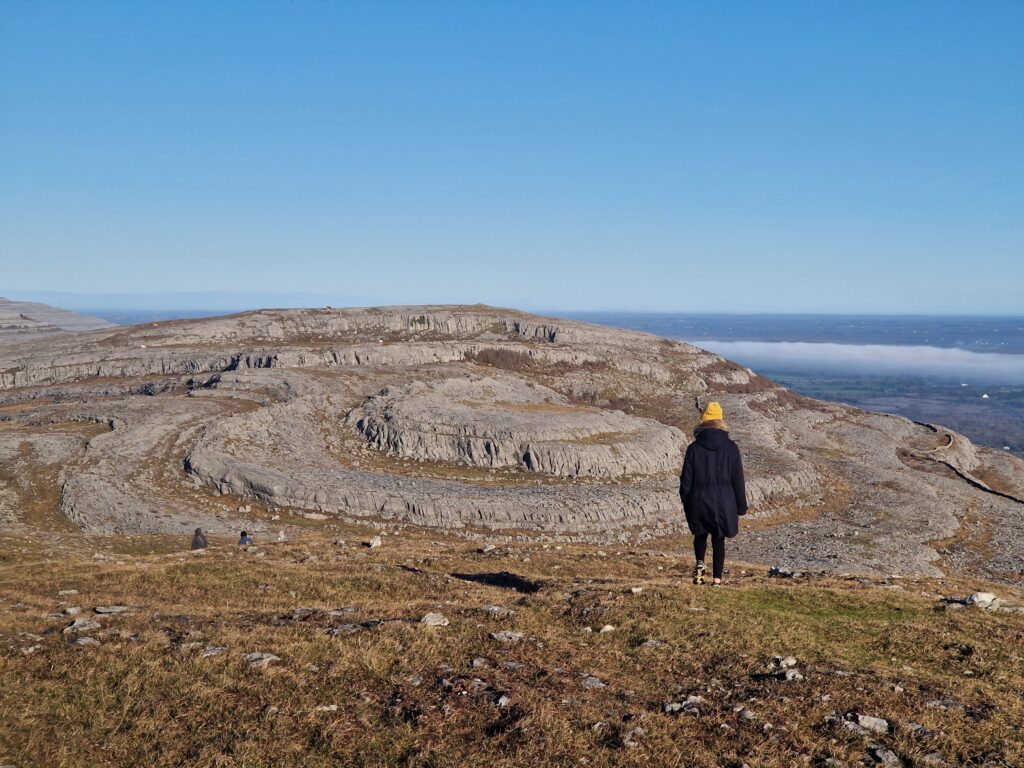
- Cliffs of Moher: Arrive early to beat weekend visitors; March light makes for dramatic photos.
- Doolin: Lunch stop in Doolin, a picturesque, colourful village — the traditional gateway to the Cliffs of Moher.
- The Burren: Explore limestone landscapes and ancient monuments; visit Poulnabrone Dolmen.
- Optional loop drive: Ballyvaughan to Fanore for scenic views.
Travel time: Clifden to Cliffs of Moher ~3 hours, so plan an early start.
👉 Pressed for time? This top-rated Cliffs of Moher & Galway day tour from Dublin covers the west’s must-sees in one easy, stress-free day.
Day 6: Killarney or Dingle
Dingle is wilder and more coastal; Killarney offers lakes, forests, and easier-access highlights.

- Killarney National Park: Muckross House, Torc Waterfall, and Ring of Kerry viewpoints.
- Dingle Peninsula: Slea Head Drive for dramatic coastal scenery.
- Traditional food and cosy pubs: Sample seafood in Dingle or hearty traditional Irish meals in Killarney.
Travel time: Cliffs of Moher to Killarney ~3.5–4 hours; consider stopping en route at Limerick or Adare – check out more of the Most Beautiful Towns in Ireland.
Day 7: Return via smaller towns
- Explore towns like Adare, Ennis, or Kilkenny depending on your route.
- Chat to locals and enjoy a slower pace — stop at artisan cafés or local craft shops.
- Linger longer than planned, soaking in the charm of small-town Ireland.
Tip: March rewards flexibility — weather can change quickly, so having indoor options along your route is wise.
If you are looking for more off-the-beaten-track Irish travel ideas, here are some unique things to do in Ireland in March (if you’re brave enough to face the weather!)
- Surfing and Seaweed Baths Along the Wild Atlantic Way
- Best Spots for Stargazing in Ireland
- Hidden Irish Islands
What to Pack for Ireland in March
Packing for Ireland in March is about layers, flexibility, and practicality. You don’t need bulky snow gear or umbrellas that get blown inside out. Here’s what you’ll actually use:
- Daypack for changing weather
- Waterproof jacket with hood
- Comfortable waterproof shoes
- Layers: jumpers, light gloves, scarf
Think practical with personality, and you’ll be ready to enjoy Ireland in all its early-spring glory.
👉 Visiting Ireland in April? You’ll find fewer crowds, blooming landscapes, and festivals like Cúirt and the Waterford Food Festival to enjoy after St Patrick’s Day.
Ireland Travel Tools
If you are planning a trip to Ireland in March, these top-recommended links below feature some of the best deals and trusted options out there – from transportation to hotels and more.
Let’s be honest, Ireland is expensive enough (have you seen the price of a pint?), so let’s save where we can and spend more on the fun stuff!
- Flights to Ireland: Compare on Trip.com
- Hotels in Ireland: Book on Trip.com
- Car Rentals: Search deals on DiscoverCars for the best way to explore Ireland
- eSIM for Ireland: Buy with Drimsim – a virtual eSIM delivered within minutes
- Travel Insurance for Ireland: Get the best cover with World Nomads
- Discover affordable Irish tours: some are a LOT more affordable than others, so choose wisely.
Ireland in March FAQs
Is March a good time to visit Ireland?
Yes — for many travellers, Ireland in March is one of the best-value times to visit. You’ll get longer daylight hours than winter, fewer crowds than summer, and a real sense of local life, especially outside St Patrick’s Day week.
Is Ireland cold in March?
Ireland in March is cool rather than bitterly cold. Average temperatures usually range between 4–11°C (39–52°F). With layers and a waterproof jacket, most visitors find the weather very manageable.
Does it rain a lot in Ireland in March?
Rain is always possible in Ireland, but March typically brings short showers rather than constant downpours. Many days feature a mix of clouds, sunshine, and passing rain — sometimes all in the same hour.
Is St Patrick’s Day a good time to visit Ireland?
Experiencing St Patrick’s Day in Ireland can be fantastic, but it’s not for everyone. Cities become extremely busy, prices rise, and accommodation books out early. If you enjoy festivals and atmosphere, it’s worth seeing once; if not, consider visiting earlier or later in March.
Are tourist attractions open in Ireland in March?
Most major attractions are open throughout March, with more seasonal sites reopening or extending hours as the month progresses. March is a good time to visit popular sights without peak-season crowds.
Is Ireland in March good for road trips?
Yes — Ireland in March is excellent for road trips. Roads are quieter, scenery is dramatic, and daylight increases quickly as the month goes on. Just allow flexibility for weather and shorter daylight earlier in the month.
Is March cheaper than visiting Ireland in summer?
Generally, yes. Accommodation and flights to Ireland in March are usually more affordable than during summer, although prices increase around St Patrick’s Day.
What should I pack for Ireland in March?
Visitors to Ireland in March should pack layers, a waterproof jacket, comfortable walking shoes, and clothing that can handle changing conditions. Heavy winter gear usually isn’t necessary.
👉 If you are visiting us earlier, don’t forget to check out what’s happening in Ireland in January and in February – there’s always something going on!
Final Thoughts: Why It Is Worth Visiting Ireland in March
Ireland in March is a month of contrasts — lively yet calm, wintry yet hopeful, traditional yet flexible. You’ll see the country as locals experience it, with fewer filters and more genuine moments.
If you don’t mind a bit of weather, enjoy cultural immersion, and want Ireland before the summer crowds arrive, March might just be your perfect fit.
And yes — St Patrick’s Day is part of the story. But it’s far from the whole book.
Keep Your Irish Learning Going
While you’re preparing for your March trip, check out these handy and fun resources:
- Easy Irish Phrases and Funny Irish Slang Words
- 60 One-Worded Irish Insults you Need to Know
- Why Do Irish People Drink? The Real Reasons Behind the Pint
- Dos and Don’ts For Visiting Ireland
- Most Beautiful Irish Words and Their Meanings
Thank you for joining us on this journey through an Irish March. Why don’t you let us know how you get on visiting Ireland in March?
Feel free to leave a message below or contact us on our socials.


This post contains affiliate links. If you click on the links to make a purchase, we will earn a small commission. This is at NO EXTRA COST to you. This is a free way to support us and allow us to continue to create inspiring adventure travel guides.