
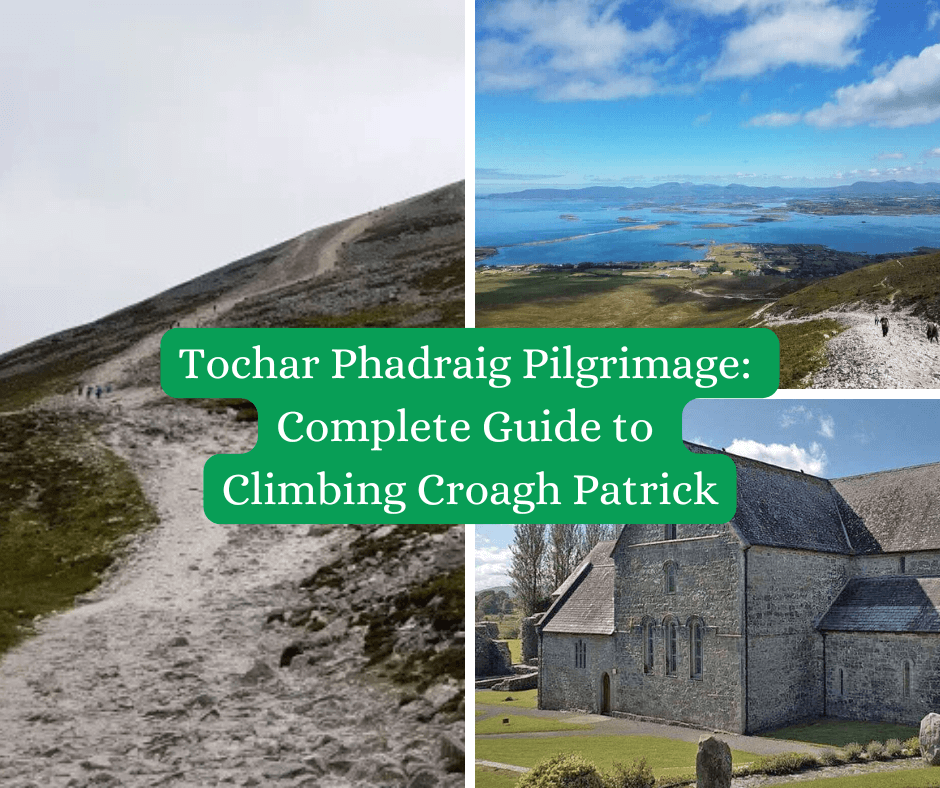

There are pilgrim routes, and then there’s Tóchar Phádraig (The Celtic Camino) — a 35 km pilgrimage walk from Ballintubber Abbey to the summit of Croagh Patrick that weaves through Ireland’s spiritual heartland.
More than just a hike, this 1,500-year-old Irish pilgrimage is a journey through centuries of devotion, myth, and breathtaking wild landscapes. Along the way, you’ll pass medieval ruins, holy wells, sacred landmarks, and quiet valleys once walked by generations of pilgrims seeking penance and blessing.
In this guide, you’ll find everything you need to take on the Tóchar Phádraig Pilgrimage Walk — from the spiritual stories and legends that shape its history to step-by-step route details, practical tips, and safety advice to make your pilgrimage unforgettable.
Whether you’re drawn by faith, folklore, or the raw beauty of Ireland’s west, this article will help you plan, prepare, and deeply experience one of Ireland’s most iconic pilgrim trails.
Planning a trip to Ireland? Create your ultimate personalized Ireland itinerary to include all the best Irish attractions, delivered by a passionate team of Celtic Experts. Now 15% off for a limited time!!
The Magic and The Story: Why The Tochar Phadraig Pilgrimage Walk Matters
The Tochar Phadraig pilgrimage walk from Ballintubber to Croagh Patrick follows an ancient causeway — once a royal chariot road and later a medieval pilgrimage route sanctified in tradition by St Patrick. Croagh Patrick is the mountain where, according to legend, St Patrick fasted for forty days; the mountain and the route gathered a mix of pagan and Christian narratives through time.
The walk passes fairy hills and old enclosures where pre-Christian ritual landscapes were later reinterpreted within a Christian pilgrimage framework. This blending — royal road, sacred mountain, and myth — gives the trail a layered resonance not found on every Irish path.
A few memorable legends tied to the route: local tradition speaks of St Patrick’s confrontations — dramatic tales of him driving off demons, battling dark forces on the slopes of the Reek — which shaped the walk’s penitential tone. Pilgrims historically walked this route as an act of devotion and penance, a pattern that continues each year when thousands climb Croagh Patrick on the last Sunday in July.
The Tochar Phadraig Pilgrimage Route in Detail: What You’ll See, Step by Step
Walking the Tóchar Phádraig is more than just a long-distance trek — it’s a journey through history, landscape, and Irish spirituality. Stretching roughly 35 km from Ballintubber Abbey to the foot of Croagh Patrick, the route winds through ancient paths, forests, rolling fields, and boglands, offering both physical challenge and a sense of connection to centuries of pilgrims who have walked the same path.
In this detailed guide, we’ll take you step by step along the route, highlighting key landmarks, distances between points, and what you can expect to see along the way. Whether you’re planning a single-day trek or a more leisurely two-day pilgrimage, this section will give you a clear sense of the terrain, notable sights, and the spiritual and cultural significance of each stage.
With subheadings marking mileages and notable features, you can navigate the Tóchar Phádraig like a local pilgrim, knowing exactly what awaits at every turn — from quiet woodland stretches to historic abbeys, traditional farmsteads, and finally the awe-inspiring ascent of Croagh Patrick itself.
1. Ballintubber Abbey – The Starting Point (0 km)
Your journey begins at Ballintubber Abbey, a living medieval monastery dating back to 1216. Take a moment to explore the abbey’s historic stonework and tranquil grounds.
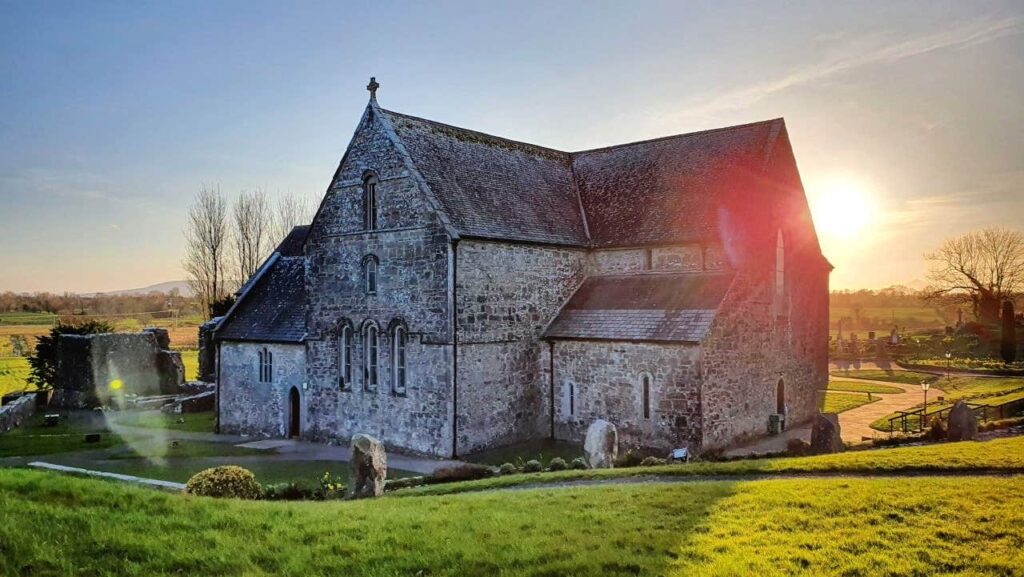
Here, pilgrims traditionally register and collect their pilgrim passport, marking the start of the spiritual journey. From the abbey, the path quickly leads into gentle farmland tracks, offering a mix of open fields and quiet country lanes.
2. Tochar Forest & Countryside (5–10 km)
Leaving Ballintubber behind, the route passes through woodlands and rolling fields, where forest tracks provide a shaded respite on sunny days. Keep an eye out for small streams, traditional stone walls, and glimpses of local wildlife.

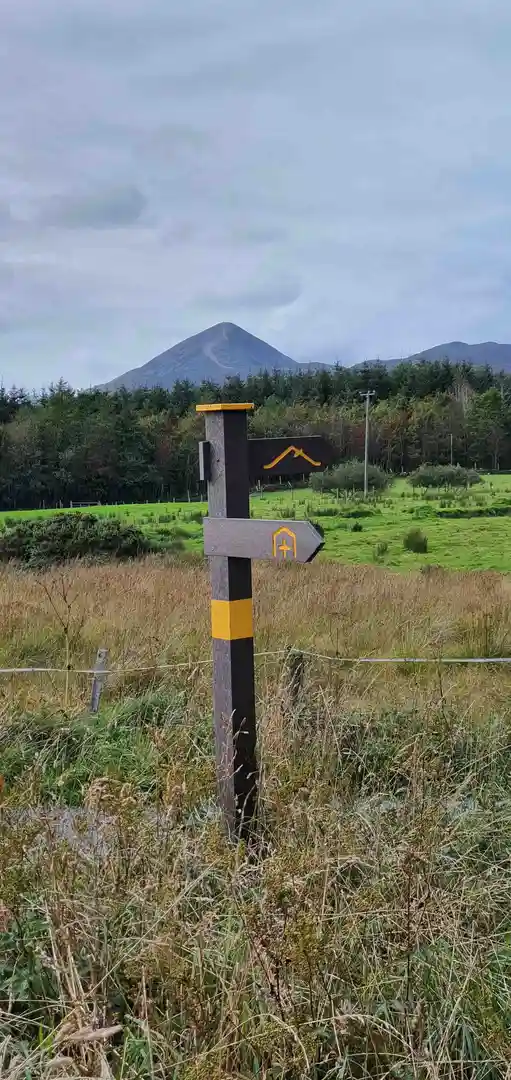
The waymarking here is clear — yellow arrows and pilgrim markers guide you steadily forward. This stretch is moderately easy and a perfect opportunity to settle into your walking rhythm.
3. Boglands & Rural Crossroads (10–20 km)
As you move further west, the trail traverses boggy terrain interspersed with rural lanes, offering a true taste of Mayo’s unique landscape. Some sections may be soft underfoot, so proper footwear is recommended.
Along the way, you’ll pass small villages and historical features like old boundary markers and traditional farmsteads with the odd ringfort or ruin — places where folklore and archaeology nod at each other.
4. Approaching Croagh Patrick (20–30 km)
The final leg of the journey takes you toward the foot of Croagh Patrick, Ireland’s holy mountain. The terrain becomes more undulating, with sections of exposed paths and slight inclines, giving a preview of the challenging climb ahead.
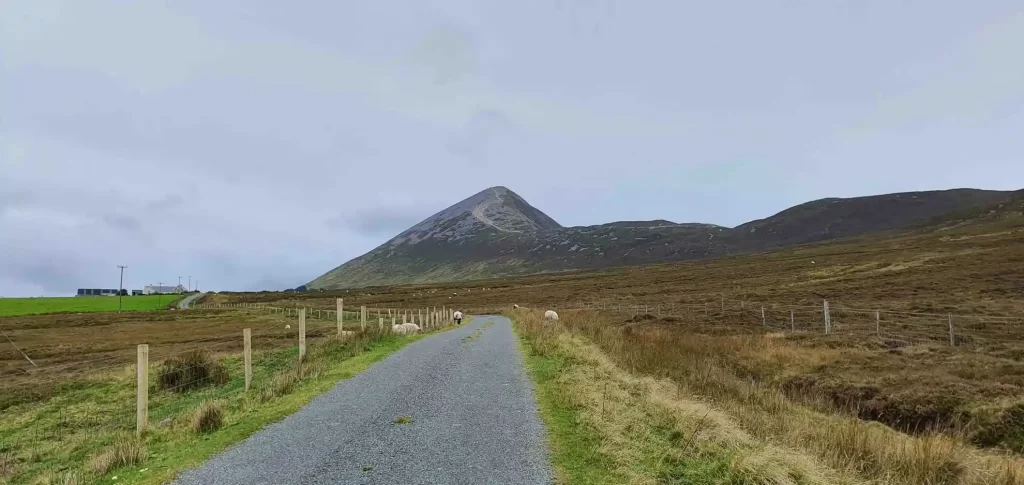
Take time to admire distant views of Clew Bay, and notice how the landscape opens up after the sheltered farmland and forest tracks earlier in the day.
5. Croagh Patrick Summit & Finish (30–35 km)
The last stretch leads to the base of Croagh Patrick, where pilgrims traditionally make the ascent to the summit. From the car park at Murrisk, the climb to the top takes 2–3 hours and is moderate to challenging, with steep and rocky sections near the summit.

Standing atop Croagh Patrick, you’re treated to spectacular vistas of Clewbay and a palpable sense of history and devotion. When the mountain is alive with barefoot pilgrims and faithful walkers, the summit takes on an intense, almost electric spiritual energy, a fitting reward for completing Ireland’s historic pilgrimage route.
- If you’re as obsessed with hiking as we are, explore our collection of the best hikes around the world for truly unique trekking adventures — have you tackled any of them yet?
Practical Information for Pilgrims: Maps, Parking, Accommodation, Registration
- Maps & Waymarks: Follow the yellow Tochar pilgrim markers along the route. Carry a detailed map (OSi or Pilgrim Paths leaflet) and consider a GPX file for digital backup.
- Transport & Parking: Ballintubber Abbey is accessible by car and regional bus. Parking is available near the abbey. If you’re walking point-to-point in a single day, arrange a return transfer or taxi from Croagh Patrick / Murrisk in advance.
- Accommodation: Many pilgrims split the journey over two days, staying near the halfway point or in Westport / Murrisk for a more comfortable experience. Some walkers complete the entire route in a single day, but this is strenuous.
- Pilgrim Registration & Passport: Registration at Ballintubber Abbey is mandatory to walk the Tóchar Phádraig. Individual self-guided walks cost €30 per person. Registration provides a Pilgrim Passport (€5) that can be stamped at Ballintubber Abbey (start) and Campbell’s Pub, Murrisk (finish) as an official record of your pilgrimage.
- Guided Walks: Ballintubber Abbey offers scheduled guided group walks along the Tóchar Phádraig, typically in Half Tóchar (17 km) €20 or Full Tóchar (35 km) €35 formats. Participation is optional, booking is required in advance, and guided walks provide extra support, local insights, and a structured experience for those who want it.
Note: Whether you choose a guided or self-guided walk, you must book your Tóchar Phádraig pilgrimage in advance
Best Travel Tools for First-Time Visitors to Ireland:
If you are planning a trip to Ireland, these top-recommended links below feature some of the best deals and trusted options out there – from transportation to hotels and more.
Let’s be honest, Ireland is expensive enough (have you seen the price of a pint?), so let’s save where we can and spend more on the fun stuff!
- Flights to Ireland: Compare on Trip.com
- Hotels in Ireland: Book on Trip.com
- Car Rentals in Ireland: Search deals on DiscoverCars
- eSIM for Ireland: Buy with Drimsim – a virtual eSIM delivered within minutes
- Travel Insurance for Ireland: Get covered with World Nomads
Tochar Phadraig Pilgrimage: Difficulty, pace and what to pack
- Difficulty: Moderately difficult to strenuous (35 km with variable underfoot and an exposed mountain finish). If you’re fit and used to long days, it’s possible in 8–10 hours. Most will be happier splitting it.
- Pace to plan: If walking in a day, assume a net walking pace of 4–5 km/hr over varied terrain — plus rests — so plan for 8–10 hours door-to-door. For a two-day plan, split into roughly 15–20 km each day, staying overnight in Westport or Murrisk.
- Footwear & clothing: Stiff-soled waterproof hiking boots, gaiters for peat bogs, layered clothing, windproof/rain jacket, hat and gloves for the summit. Trekking poles are helpful for Croagh Patrick’s uneven slopes.
- Food & water: Carry snacks and at least 1.5–2L water per person in warmer weather. Services along the route are limited, so top up supplies at Ballintubber Abbey or Westport.
The Spiritual Journey of Tóchar Phádraig: Rituals, What Pilgrims Do, and The Story Behind the Stations
The Tóchar Phádraig pilgrimage is not just a physical walk — it is a deeply spiritual journey, echoing centuries of devotional practice. Pilgrims have historically followed this path to Croagh Patrick, Ireland’s sacred mountain, as an act of penance, reflection, and connection with St Patrick’s legacy.
Walking the Route: Along the 35 km from Ballintubber Abbey, pilgrims engage in contemplative walking, often in silence, using the rhythm of their steps to meditate and pray. Some undertake the Croagh Patrick pilgrimage barefoot, recalling the austerity of early penitents. Others carry rosary beads or crosses, pausing at significant points to offer prayers for family, community, or personal intentions.
Stations on Croagh Patrick: The Croagh Patrick pilgrimage features three main devotional stations rather than fifteen. These stations are located at key points along the ascent: at the base of the mountain, on the summit, and on the Lecanvey side of the mountain. Pilgrims often pause at each station to pray, reflect, or perform ritual acts such as kneeling or walking around sacred markers. This practice connects the walker’s personal journey with a centuries-old tradition of penance, devotion, and spiritual discipline, echoing the rituals of earlier pilgrims who followed the path to honor St Patrick and the sacred mountain.
Ritual Practices: Pilgrims may perform rounds at the summit — walking clockwise in repetitive circuits as acts of devotion, echoing both pre-Christian ritual patterns and Christian penitential practices. Many engage in fasting, prayer, or silent contemplation, immersing themselves in the physical and spiritual challenge simultaneously.
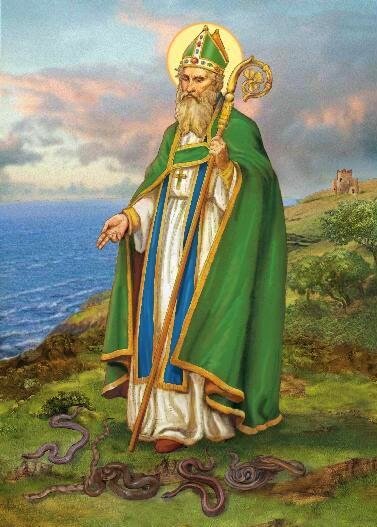
The Legend of St Patrick: According to tradition, St Patrick himself fasted and prayed on Croagh Patrick for forty days, confronting spiritual darkness and seeking divine guidance. The walk from Ballintubber to the Reek mirrors this legendary irish journey, allowing modern pilgrims to experience a fraction of St Patrick’s devotion, walking the same paths, feeling the Atlantic wind, and sensing the sacred history embedded in the land.
Sensory Connection: The Irish pilgrimage is heightened by the landscape itself — the hush of boglands, the scent of peat and wet grass, the sudden sight of the mountain rising ahead, and the dramatic sea air near the summit. These elements engage all the senses, making the pilgrimage not just a walk, but a ritual experience of Ireland’s spiritual and natural heritage.
By following this path, modern pilgrims are not only walking a trail but entering a living tradition of prayer, devotion, and spiritual reflection — connecting with countless pilgrims who have walked the Tóchar Phádraig before them.
Check out some related articles to delve deeper into the fascinating history and mythology of Ireland:
- Best Irish Myths and Legends for Beginners: 10 Timeless Tales
- Self-Guided Irish Mythology Walking Tour in Dublin (Free Map & Itinerary)
- Best Castles in Ireland – the ultimate list of Irish Castles
- Irish Girl Names Inspired by Celtic Mythology
- Quirky Irish Superstitions You Will Love
Just Climbing Croagh Patrick: A Shorter Pilgrimage for Visitors
If you don’t have time for the full 35km Tochar Phadraig pilgrimage from Ballintubber Abbey, you can still experience Ireland’s holy mountain by climbing Croagh Patrick directly.
Known locally as “The Reek”, this iconic peak attracts over 100,000 visitors every year — both pilgrims and hikers.
| Section | Description | Difficulty | Time |
|---|---|---|---|
| Lower Section | Gravel path from car park to base of Croagh Patrick | Easy | 30–45 min |
| Middle Section | Steeper incline with loose stones | Moderate | 1–1.5 hrs |
| Final Ascent | Steep scree slope to summit; poles recommended | Hard | 1–1.5 hrs |
| Summit | Panoramic views over Clew Bay; small chapel (1905) | — | Breaks: 30–45 min |
The Starting Point: The climb begins at the Croagh Patrick Visitor Centre in Murrisk, about 8km from Westport. There’s a car park, café, toilets, and information about Croagh Patrick’s history and religious significance.
The Climb Itself:
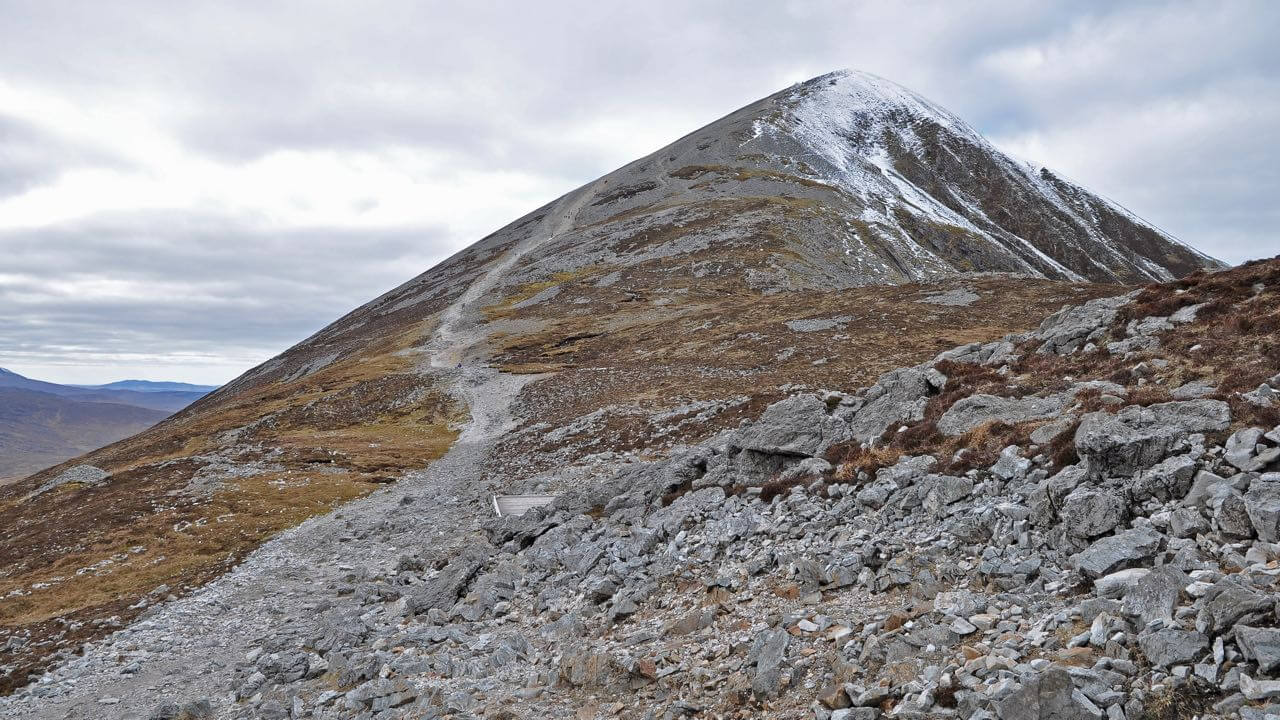
- Lower Section – A gravel path leads from the car park to the base of Croagh Patrick. It’s relatively easy at this stage.
- Middle Section – The incline steepens with loose stones underfoot, requiring careful footing.
- Final Ascent – The last stretch is the steepest, climbing a scree-covered slope to the summit. Walking poles are very helpful here.
Allow 4–5 hours total for a relaxed climb, including breaks and enjoying the views.
At the Summit
At the Summit: On a clear day, you’ll be rewarded with spectacular panoramic views over Clew Bay and its 365 islands. There’s also a small chapel, built in 1905, which remains a significant pilgrimage site, especially on Reek Sunday — the last Sunday in July, when thousands gather to climb.
Tips for Tourists
- Wear sturdy hiking boots — the terrain is rocky and slippery.
- Bring water, snacks, and weather-appropriate clothing.
- Start early to avoid crowds, especially in summer.
- Guided climbs are available for those who prefer a structured experience.
Want more mystical Irish walks? Check out our guide to Ireland’s best mythical trails, where legends and landscapes meet.
Frequently Asked Questions
💰 How much does it cost to walk the Tóchar Phádraig?
Costs vary depending on whether you walk self-guided or join a group:
- Individual Self-Guided Walk: €30 per person
- Pilgrim Passport (optional): €5
- Guided Group Walks: Half Tóchar (17 km) €20, Full Tóchar (35 km) €35
- Accommodation, food, and emergency funds: plan for €50–€100 per night and ~€40/day for meals and water
⛪ Do you need to be Catholic to walk the Tóchar Phádraig?
No — the Tóchar Phádraig is open to everyone. Many walk for spiritual reflection, history, fitness, or cultural experience.
📝 Do you need to register to walk the Tóchar Phádraig?
Yes — all walkers must register at Ballintubber Abbey. Registration ensures access to the trail and supports its upkeep.
- Individual Self-Guided Walk: €30
- Pilgrim Passport (optional): €5
- Group Guided Walks: Half Tóchar €20 / Full Tóchar €35
Completing the Tóchar Phádraig Pilgrimage: Reflection and Rewards
The Tóchar Phádraig pilgrimage from Ballintubber Abbey to Croagh Patrick is a unique Irish experience, combining spiritual devotion, historic tradition, and stunning landscapes. Pilgrims can complete the 35 km route in a single day or take two days to enjoy a more reflective journey, following the yellow Tochar markers through peatlands, forests, and farmland.
At the Croagh Patrick summit, the ritual stations and contemplative rounds offer a chance to connect with centuries of pilgrim tradition, echoing the devotion of St Patrick himself. With careful planning, proper gear, and an understanding of the route’s difficulty and spiritual significance, the Tóchar Phádraig pilgrimage is both a challenging hike and a profound spiritual journey, making it one of Ireland’s most meaningful pilgrimages.
If you’ve enjoyed learning about this special Irish pilgrimage, why not explore more of Ireland’s unique culture? From ancient Irish symbols to unforgettable Irish festivals (that aren’t St. Patrick’s Day!), we’ve got plenty more stories and traditions waiting to be discovered.
If you have any questions please leave us a comment below, and don’t forget to check out our socials for our latest adventures!
Slán go fóil


This post contains affiliate links. If you click on the links to make a purchase, we will earn a small commission. This is at NO EXTRA COST to you. This is a free way to support us and allow us to continue to create inspiring adventure travel guides.