

If you’re passionate about stargazing and craving truly unforgettable night skies, you’ve probably noticed that many popular guides often highlight the same overcrowded spots.
But what if you want something different – the best hidden dark sky parks in Europe where the stars shine brighter, the crowds are fewer, and the experience feels genuinely magical?
This guide uncovers some of Europe’s most underrated dark sky parks, each offering unique landscapes, exceptional night sky clarity, and a range of experiences to suit every stargazer’s needs.
From remote mountain retreats to hidden forest sanctuaries, you’ll find detailed information on where to go, what to expect, the best times to visit, and insider tips including tours and booking advice.
Whether you’re a seasoned astronomer or a casual star lover, this article is your ticket to discovering Europe’s best-kept secrets for stargazing under truly dark skies.
Discover Europe’s Best Underrated Dark Sky Parks for Stargazing
If you’re looking to escape the crowds and experience some of the clearest, most breathtaking night skies in Europe, these underrated dark sky parks should be at the top of your list.
Each park offers unique landscapes, minimal light pollution, and unforgettable stargazing opportunities.

Whether you’re a seasoned astronomer or simply someone who loves gazing at the stars, these hidden gems for stargazers provide the perfect backdrop for your next cosmic adventure.
Use the interactive map below to discover some of the best stargazing spots across Europe. Zoom in, click on pins for details, and plan your perfect night under the stars.
1. Hortobágy National Park – Eastern Hungary (Hidden Dark Sky Park)
Nestled in the heart of Hungary’s Great Plain, Hortobágy National Park offers vast open skies perfect for stargazing. Hortobágy National Park’s UNESCO status and remote location make it a truly unique spot to experience the night sky away from city lights.
Location & Why It’s Hidden
- Situated about 200 km east of Budapest near Debrecen, Hortobágy spans 82,000 ha of open plains and wetlands. Despite Hortobágy National Park having UNESCO and Ramsar status, it remains a solid hidden dark sky park in Europe.
- Absence of hotels and tour groups preserves its authentic rural charm.
What to Expect
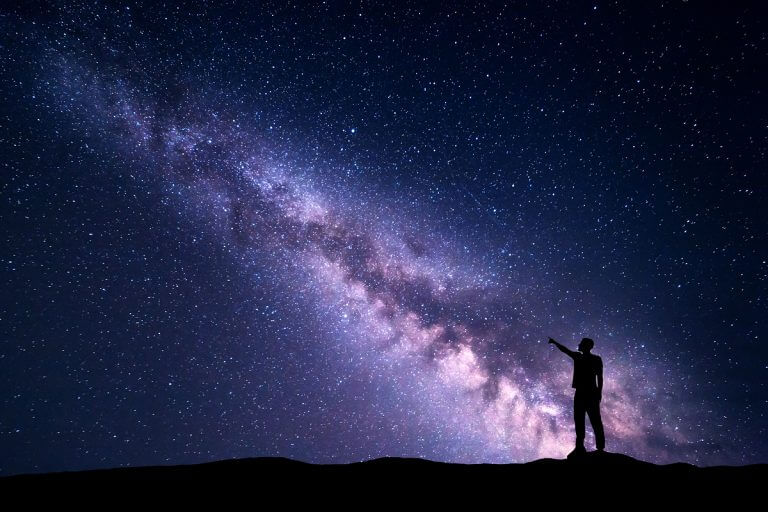
- Flat horizon views give you up to 2,000 visible stars with naked eye; Milky Way sweeps overhead and zodiacal light is visible in spring and early summer.
- Expect quiet grassland skies, migrating birds at dusk, and a magical silence after sunset.
Tours & Booking Tips
- The Field Study Centre offers night-time stargazing walks and interpretive astronomy programs. Make online bookings during event seasons.
- You can stay in on-site guesthouses or search for rural “csárda” inns nearby. Book ahead in summer for astro-friendly accommodation with open views.
- Bring insect repellent, warm layers, and red-light headlamp for longer nights.
Top-rated Hortobágy National Park Tour (not star related): Full-Day Private Tour to Debrecen and Hortobagy National Park from Budapest. Enhance your experience of Hortobagy National Park by exploring with a guide, perfect for travelers with limited time.
What Makes It Unique
- Combines cultural heritage, open plains, and dark skies – perfect for astro-lovers seeking minimal light pollution.
- A managed lighting policy and biosphere protection ensures real sky quality.
Best Time to Visit
The ideal months for stargazing in Hortobágy are from late spring to early autumn (May to September). During this period, skies are generally clear, and the temperatures are mild enough for comfortable night observations. Autumn, especially September, offers dark skies with less atmospheric disturbance, making it a prime time for astronomy enthusiasts.
If you’re planning a trip to Ireland for stargazing, be sure to check out our detailed guide, Stargazing in Ireland: The Ultimate Dark Sky Travel Guide. It’s packed with insider tips, top dark sky spots, and the best times to visit to make your celestial experience unforgettable.
2. Eifel National Park – Germany (Offbeat Stargazing in Forest)
Just a short drive from major cities like Cologne and Bonn, Eifel National Park surprises visitors with its dark skies and peaceful forest surroundings.
Despite its accessibility, Eifel National Park remains a hidden gem for stargazers seeking clear views without the crowds.
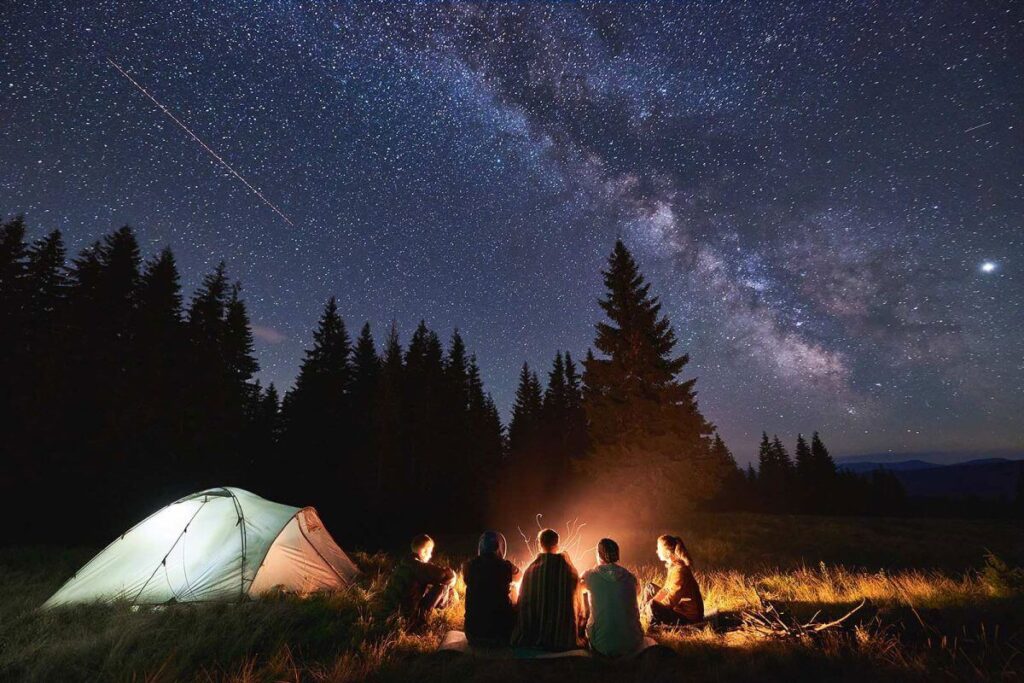
Location & Why Lesser-Known
- Located in North Rhine‑Westphalia near Aachen, Düren and Monschau, this forested park (~10,770 ha) became Germany’s first IDA‑certified dark sky park in 2014. *International Dark-Sky Association (IDA)
- It’s surprisingly unpublicized – a truly offbeat stargazing park in Europe.
What to Expect
- Dense beech-oak forests, lakes, wildcats and red deer offer wildlife-rich surroundings beneath class‑3/4 night skies.
- On a clear night, you can spot the Milky Way, Jupiter, and Andromeda galaxy with binoculars or naked eye.
Tours & Booking Tips
- Book the “Stars Without Borders” astronomy workshop at Vogelsang Observatory (check online calendar). Walkable from Walberhof car park.
- Visit the nearby Hoher List Observatory for public guided stargazing (April to October).
- Equip yourself with warm layers, binoculars, or a thermos – regional weather can turn crisp.
Why It’s Unique
- Offers dark skies within two hours of major German cities, paired with biodiversity, hiking trails, ranger-led astro-events, and quiet overnight stays.
Best Time to Visit
Eifel’s best stargazing season runs from late spring through early fall (May to October), with September and October offering crisp, clear skies and longer nights. Winter months can be very cold but offer long, dark nights – perfect for the more adventurous stargazer prepared for chilly conditions.
Check out the related articles below for more lesser-visited destinations in Europe:
- Ultimate Guide to Eco‑Friendly Destination Dupes in Europe
- Budget-Friendly Mediterranean Alternatives in Eastern Europe For Best Value Trips
- Best Destination Dupes in 2025: Budget-Friendly Alternatives to Over-Touristed Hotspots
- Best Hidden European Small Towns: Off-the-beaten-path travel in Europe
3. Zselic Starry Sky Park – Southern Hungary (Observatory & Planetarium)
Known as one of Hungary’s best-kept secrets, Zselic Starry Sky Park offers some of the darkest skies in Central Europe. It’s a peaceful retreat ideal for those wanting to immerse themselves in the cosmos without distractions.
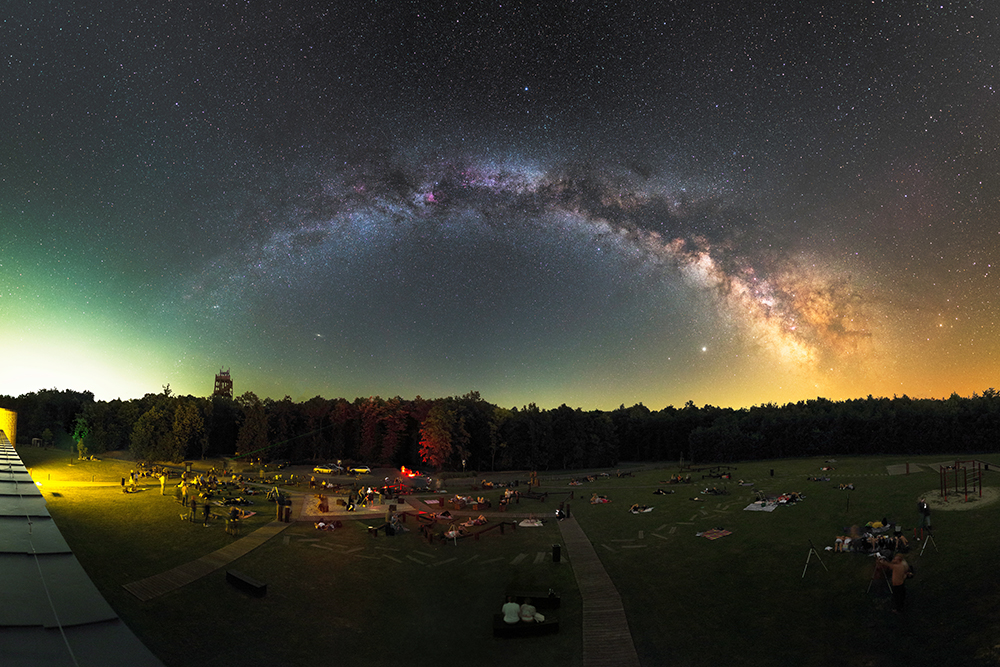
Location & Why Hidden
- Between Kaposvár and Pécs in Somogy‑Baranya counties, Zselic National Landscape Protection Area (~90 km²) earned its dark sky park status in 2009.
- Rarely appears in mainstream astro guides despite official certification.
What to Expect
- Extremely dark skies where even faint galaxies like Andromeda and zodiacal light are visible without telescopes.
- A panoramic evening sky from a lookout tower, plus planetarium shows and exhibitions.
Tours & Booking Tips
- The Zselic Observatory offers guided astronomy, which must be booked in advance.
- Some programs combine a planetarium visit and a forest night walk – Check out their full event schedule here.
- Summer reservations are key; quiet evenings can fill quickly.
Why It’s Unique
- Zselic blends planetarium education with forest immersion and ultra-dark natural skies – all at minimal cost and low crowd levels – sounds like a pretty unique stargazing experience to us!
Best Time to Visit
Late summer through early autumn (August to October) is the prime time to experience Zselic’s incredible star visibility. The warmer months help visitors stay comfortable during late-night skywatching, while clear autumn evenings offer the darkest skies.
- Turn your astro adventure into the ultimate 7-Day Dark Sky Europe Stargazing Road Trip, or indulge in ultimate self-care with these Best Astro-Tourism Wellness Retreats to Change Your Life.
European Travel Tip – Even with the luck of the Irish, things can still go wrong. World Nomads Travel Insurance is our top choice for travel coverage. With the best transparent fine print in the industry, it’s no wonder they’re ranked number one. Don’t leave your adventures to chance and get a free quote today!
4. Šumava & Izera Region – Czech Republic & Poland (Mountain Wilderness Stargazing)
The Šumava National Park in the Czech Republic and the nearby Izera Region, which extends into Poland, each offer unique mountain wilderness experiences for stargazers.

While Šumava is centered around charming Czech towns like Železná Ruda, known for its rich forests and serene landscapes, the Izera Mountains encompass picturesque border towns such as Jablonec nad Nisou and Szklarska Poręba, offering diverse cultural vibes alongside some of Europe’s darkest skies.
Location & Why Little-Known
- Šumava (Bohemian Forest) and Izera Dark Sky Park straddle the Czech‑Polish border, offering forest-covered uplands and peat bogs under star-studded skies.
- These areas are often overlooked in standard travel lists- making them true hidden stargazing parks in Europe.
What to Expect
- Sky quality reaches Bortle class 3–4 on clear nights. Nighttime landscapes include glacial lakes, peatlands, and silence.
- Wildlife such as lynx and occasional rare birds add to wilderness ambiance.
Tours & Booking Tips
- Jizera hosts astronomy lectures and seasonal sky events by local societies— advance booking recommended.
- Šumava offers DIY stargazing from quiet trailheads or huts; towns like Plešivec or Jizerka are good bases.
- Bring a sleeping mat, warm layers for mountain nights, and check train/bus timetables ahead.
Why It’s Unique
- Unstructured wilderness stargazing untouched by tourism; perfect for photographers and nature lovers craving solitude and real sky darkness.
Best Time to Visit
The best months to visit the Bohemian Forest for stargazing are from late spring to early fall (May to September). Early autumn, especially September, features excellent night sky conditions. Winter can also provide excellent stargazing, but temperatures often drop below freezing.
Book tickets for all your trains, ferries, and buses in Europe, +1000 travel companies, and save money and time on all your transport needs.
5. Bieszczady National Park, Poland
Nestled in southeastern Poland, Bieszczady National Park is a hidden gem among underrated dark sky parks in Europe. Known for exceptionally low light pollution, it ranks among the best stargazing destinations in Europe for travelers seeking pristine and tranquil night skies far from urban crowds.

Location & Why It’s Lesser Known
- Located in southeastern Poland, near the borders with Slovakia and Ukraine.
- Part of the remote Carpathian mountain range, accessible via small towns like Ustrzyki Dolne.
- Far from major tourist hubs, making it one of Poland’s least visited national parks.
- Limited infrastructure and challenging access keep crowds away, preserving natural darkness.
- Favored by nature lovers and hardcore stargazers seeking solitude.
What to Expect
- Vast dark skies ideal for viewing the Milky Way, meteor showers, and constellations.
- Quiet mountain landscapes with minimal artificial light.
- Opportunities for night photography and peaceful wildlife encounters.
- Variable weather—clear nights interspersed with fog or clouds.
Tours & Booking Tips
- Local guides organize night hikes and stargazing tours, especially in summer. Ask your accommodation hosts for more information.
- Bring warm clothing and sturdy boots for mountain terrain.
- Renting a car is advised for easier access to secluded spots.
Why It’s Unique
- Offers some of the darkest skies in Poland, with almost no light pollution.
- Stunning mountain landscapes paired with peaceful, remote stargazing experiences.
Best Time to Visit
- Ideal from late spring through early autumn (May to September) for clear skies and comfortable weather.
- Winter months offer long nights but harsh, snowy conditions.
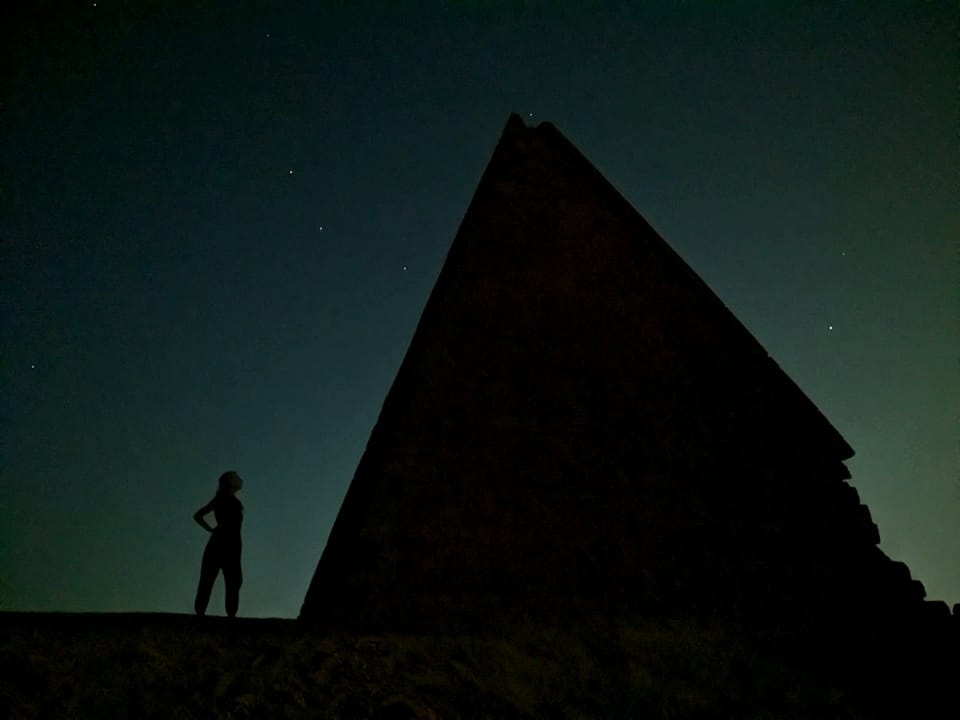
We’ve experienced incredible stargazing across the globe, including in the vast Nubian Desert near the ancient pyramids of Sudan.
⭐ How to Book Stargazing Tours in These Hidden Dark Sky Parks
Most of the destinations featured in this article offer stargazing experiences, but not through major booking platforms like Viator or GetYourGuide. Instead, tours are typically run by local observatories, park centers, or regional guides.
Here’s how to find and book these European Stargazing Tours:
- Eifel National Park (Germany): Visit the Vogelsang Observatory for public sky tours. Camp Hammer also offers guided starry night walks and gear rentals. Book directly via their official website.
- Zselic Starry Sky Park (Hungary): Astronomy programs are held at the Zselic Park visitor center and planetarium. Check their official website for seasonal events.
- Hortobágy National Park (Hungary): The Hortobágy Astronomy Park runs night sky programs from spring to fall. Bookings can be made through the park’s Field Study Centre.
- Šumava & Jizera Mountains (Czech Republic & Poland): Stargazing lectures and DIY trails available. Jizera hosts events through local astronomy groups; Šumava offers serene, unguided night trails. Check municipal tourism sites for upcoming dates.
- Bieszczady National Park (Poland): Stargazing is best done via local guides based in towns like Wetlina or Ustrzyki Górne. Ask about seasonal night hikes or photo tours.
Stargazing Tip: Always check moon phases, visibility forecasts, and transit options before your visit. Many programs are seasonal and may require booking in advance, especially in summer and during meteor showers.
Best Hidden Dark Sky Parks in Europe: Comparison Table
To help you plan your perfect stargazing adventure, here’s a detailed overview of some of Europe’s best underrated dark sky parks.
Each destination includes its location, what you can expect under the stars, available tours, handy tips, the best time to visit, and what makes it uniquely magical. Use this guide to find your ideal spot for unforgettable night sky views.
Best Hidden Dark Sky Parks in Europe: Gear & Stargazing Tips
- Naked-eye stargazing: You’ll see hundreds to thousands of stars; Milky Way is visible across all parks.
- Binoculars: Great for star clusters and brighter nebulae.
- Portable telescope: Ideal if you wish to explore deeper sky views—often provided on guided tours.
- Comfort kit: Bring a red-light headlamp, warm layers, insect spray, or hot drinks for long nights.
- Astrophotography: Use a stable tripod, remote shutter, or timed exposures. Locations without nearby roads make excellent setups.
Frequently Asked Questions
What are the best underrated dark sky parks in Europe?
Top hidden stargazing destinations in Europe include Hortobágy and Zselic in Hungary, Eifel National Park in Germany, Šumava–Jizera on the Czech–Polish border, and Bieszczady in Poland. These offer dark skies, minimal tourism, and rich astro experiences.
When is the best time to go stargazing in Europe?
From May to October, with August and September being peak months for clear skies and meteor showers. Winter skies are darker but often cloudy and cold in most regions.
What should I bring on a stargazing trip to a dark sky park?
Pack a red-light headlamp, warm clothing, binoculars or a compact telescope, stargazing apps (like Stellarium), and a sleeping mat or thermal gear. If photographing, bring a tripod and night mode camera gear.
Are there guided stargazing tours in European dark sky parks?
Yes, many parks like Zselic, Eifel, and Bieszczady offer guided night hikes, telescope sessions, and observatory tours—especially from spring through autumn. Advance booking is usually required.
Are these hidden dark sky parks suitable for beginners?
Yes! Most have visitor centers, marked trails, and guided events. Zselic and Eifel are especially beginner-friendly, while Šumava and Bieszczady suit more adventurous travelers.
How can I find accommodation near dark sky parks in Europe?
Look for rural guesthouses, eco-lodges, or cabins near the parks. Popular bases include Kaposvár (Hungary), Schleiden (Germany), and Ustrzyki Górne (Poland). Use platforms like Booking.com or GreenPearls.
What are the darkest places in Europe for stargazing?
Europe’s darkest skies can be found in the Zselic and Hortobágy regions of Hungary, the Bieszczady Mountains in Poland, and the Jizera Mountains straddling the Czech–Polish border.
Are European dark sky parks open year-round?
Yes, most are accessible year-round, but observatory events and guided programs typically run from May to October. Always check local sites for seasonal updates.
Enjoy these Lesser-Known Stargazing Destinations in Europe
Europe offers an incredible variety of dark sky parks that provide unforgettable stargazing experiences away from the city lights. From the rugged mountain wilderness of the Šumava and Jizera regions to the remote, tranquil beauty of Poland’s Bieszczady National Park, these lesser-known destinations offer something special for every type of stargazer.
Whether you’re a seasoned astronomer, a casual night sky admirer, or a nature lover seeking solitude, these hidden gems for stargazing in Europe will fill all your star needs with breathtaking views, unique landscapes, and opportunities for memorable night adventures.
Plan your visit during the best times outlined for each park to maximize your chances of clear, star-filled skies and immerse yourself in the magic of the cosmos.
So pack your binoculars, check the forecast, and let the stars lead you to your next adventure.


This post contains affiliate links. If you click on the links to make a purchase, we will earn a small commission. This is at NO EXTRA COST to you. This is a free way to support us and allow us to continue to create inspiring adventure travel guides.