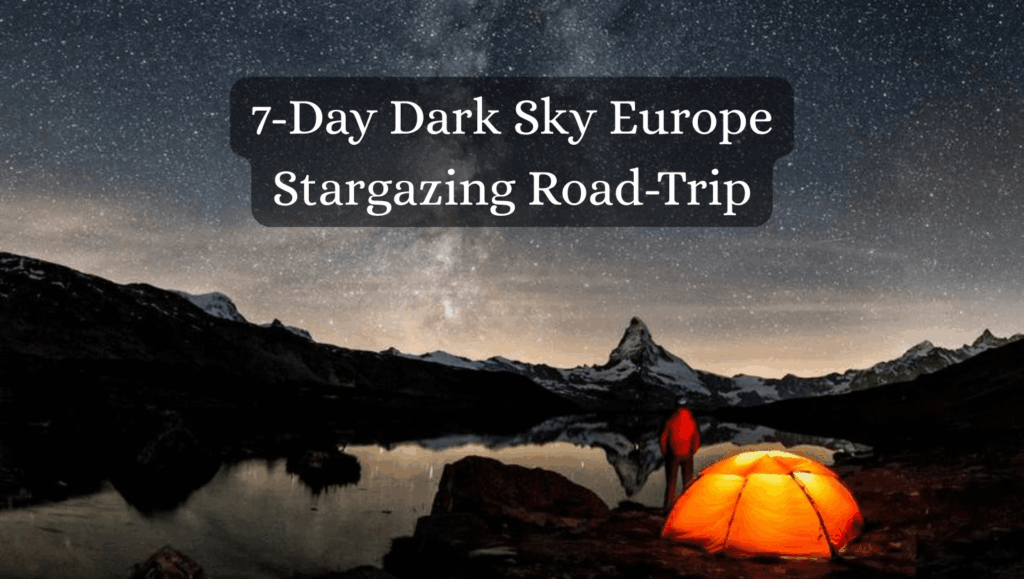

Dream of stepping out into velvet darkness, surrounded by mountains, as the Milky Way stretches across the sky like a spilled ribbon of light? This 7-day dark sky Europe stargazing road trip itinerary is more than a vacation — it’s a journey into the cosmos.
Whether you’re an astrophotographer chasing the perfect Milky Way arc or a curious traveler yearning to escape light pollution, this carefully curated adventure takes you across Europe’s most magical night sky destinations. You’ll travel by car — the best way to carry your gear, your dreams, and your freedom — from Catalonia’s Montsec Park to Switzerland’s high-altitude Valais, onward to France’s whisper-quiet Jura Mountains. And if you’re still craving stars, we’ve got bonus celestial stops you won’t want to miss.
Let’s hit the road.
Day 1–2: From Barcelona’s Buzz to Montsec’s Celestial Stillness
Route: Barcelona → Montsec Astronomical Park
Distance: ~200 km | Drive Time: ~2.5 hours
Altitude: ~1,570 meters
Dark Sky Rating: Bortle Class 2 (Exceptional Darkness)
Best Months: May to September
After landing in vibrant, sun-drenched Barcelona, it’s tempting to linger — but your cosmic journey begins with an easy, scenic drive into the foothills of the Catalan Pre-Pyrenees.
As you climb toward Montsec Astronomical Park, the city noise fades into crickets and cool alpine air. Montsec is no ordinary dark-sky destination — it’s a UNESCO-certified Starlight Tourist Destination, where artificial light is not just limited, it’s banished. Up here, the sky reveals its original form: stars in every direction, sharp as diamonds, with no light pollution to dull the experience.
🚗 Ready to chase the stars your way?
Compare the best car rental deals in Europe and hit the road on your own dark sky adventure — freedom, flexibility, and unforgettable views guaranteed. Your telescope (and playlist) will thank you.
🌌 Why Montsec Is a Must-Visit for Stargazers
Protected by strict light pollution regulations and perched high at 1,570 meters, Montsec offers jaw-dropping clarity on nights when the sky is clear. The park boasts excellent observation facilities, including an astronomical observatory open to visitors, guided night tours, and workshops for all experience levels.
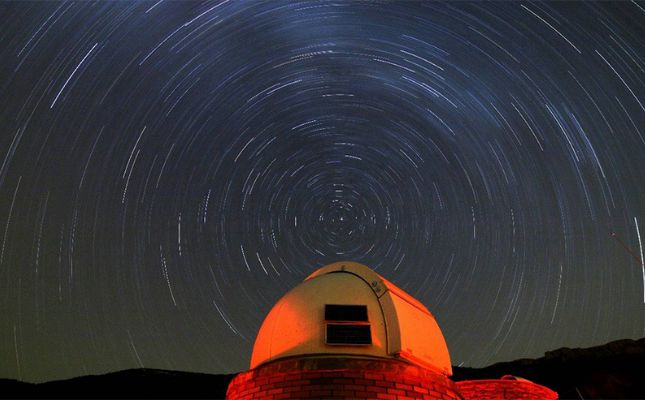
As darkness falls, expect to see thousands of stars sparkle so vividly that your eyes will struggle to take them all in. The Milky Way’s dense star clouds, bright planets like Jupiter and Saturn, and distant galaxies become visible to the naked eye. On moonless nights, meteors streak across the sky, adding bursts of magic.
🔭 Must-do: Book a guided stargazing night at the Parc Astronòmic Montsec — home to one of the most advanced digital planetariums in Europe, with rotating domes that open to the sky.
🏕️ Where to Stay & Stargaze
Montsec Astronomical Park doesn’t offer on-site lodging, but there are several great options nearby for stargazers. Nearby villages such as Àger offer charming guesthouses and rural inns with easy access to the park’s observation points. For the ultimate experience, book accommodations that offer night sky wake-up calls or dark sky terraces.
🔭 Pro Tip:
Bring a telescope or binoculars to enhance your view, but don’t forget warm layers — mountain nights can get chilly even in summer. Check the local dark sky calendar to plan your visit around new moon phases for the darkest skies.
🧳 What to Expect and Pack
- Clear skies with minimal light pollution
- Crisp, cool nights even in summer (temperatures can drop to 10°C or lower)
- Essential gear: telescope/binoculars, warm clothing, red LED flashlight – the sky is so dark here, your eyes will need time to adjust — and they’ll thank you. Star maps or stargazing apps.
🌠 Sky Highlights
- The Milky Way arching overhead, especially between June and August
- Planets such as Jupiter, Saturn, and Mars visible in the evening sky
- Occasional meteor showers like the Delta Aquariids in July
Montsec is your celestial gateway — a place to awaken your wonder, prepare your gear, and soak in the breathtaking beauty of the cosmos before the road calls you onward.
By the end of Day 2, you’ll already have hundreds of stars imprinted on your memory.
If you’re planning a trip to Ireland for stargazing, be sure to check out our detailed guide, Stargazing in Ireland: The Ultimate Dark Sky Travel Guide. It’s packed with insider tips, top dark sky spots, and the best times to visit to make your celestial experience unforgettable.
Day 3–5: Into the Sky — The Swiss Valais Alps and Stargazing Above the Clouds
Route: Montsec → Valais, Switzerland
Distance: ~400 km | Drive Time: ~5 hours
Altitude: 1,500–2,500+ meters
Dark Sky Rating: Bortle Class 2–3
Best Months: June to September
With Montsec’s stars still in your rearview mirror, it’s time to cross borders — and enter the celestial heights of the Swiss Valais Alps, where stars meet snow-capped peaks.
This leg of your 7-day dark sky Europe stargazing road trip itinerary will take you through vineyard-covered hills and winding alpine passes. The drive itself is an experience: from the foothills of the Pyrenees, across northern Catalonia, and up into the Bernese and Valais Alps, where clear skies await above the timberline.
🌌 Why Valais Is a Stargazer’s Paradise
Valais isn’t just about Matterhorn postcards and ski lodges. It’s home to some of Europe’s most underrated dark-sky locations — high-altitude valleys like Val d’Anniviers, Arolla, and Zinal are far from city lights, often above the cloud line, and naturally shielded by the Alps themselves.
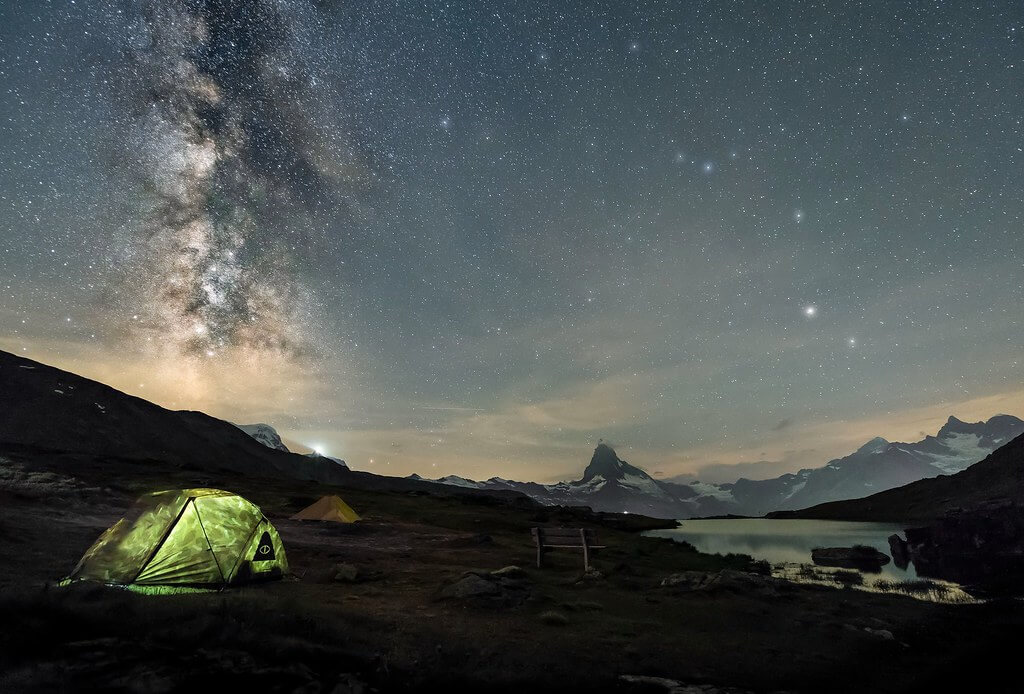
At night, the world falls silent. The air is cold and crisp. Light from the stars isn’t just visible — it’s palpable. Constellations like Cygnus and Sagittarius are razor-sharp against blackness, and when the moon is gone, the sky is so thick with stars it feels like you’re floating in space.
🛌 Where to Stay & Stargaze
- Zinal or Arolla: Remote, high-altitude villages with minimal light pollution, ideal for astrophotographers and long-exposure lovers.
- St-Luc Observatory: Located in the Anniviers Valley, the François-Xavier Bagnoud Observatory offers the opportunity to discover the sky through the largest public telescope in French-speaking Switzerland.
- Altitude Chalets: Book a mountain lodge above 1,800 meters to sleep closer to the stars.
🔭 Pro Tip: Most villages in Valais host weekly astronomy nights in July and August — check with local tourism offices like Val d’Anniviers Tourisme for events tied to new moons and meteor showers.
🧳 What to Expect and Pack
- Temperatures: Even in summer, alpine nights dip below 5°C — pack thermals, gloves, and a proper sleeping bag if camping.
- Visibility: At 2,000+ meters, the sky clarity is extraordinary. You’ll often see satellites, the Andromeda Galaxy, and summer constellations with the naked eye.
- Transit Advice: Rent a mountain-ready car with good brakes and snow tires (even in summer) — Valais roads can get steep fast. Avoid night driving on small passes.
🌠 Sky Highlights
During summer (June–August), watch for:
- The Summer Triangle (Vega, Deneb, Altair) crossing the zenith
- Perseid Meteor Shower (peak: August 12–13) — a spectacular light show in pitch-dark skies
- Jupiter and Saturn visible near the ecliptic in the early evening
By Day 5, you’ll feel a shift: you’re no longer just road-tripping — you’re time-traveling through a galaxy that most people never really see.
- Looking for a stargazing experience you can count on? We’ve found the best Dark Sky tours with trusted deals from Viator and GetYourGuide – so you can book with confidence and make memories to last a lifetime.
If you are interested in off-the-beaten-path travel, check out the articles below for lesser-visited destinations in Europe:
- Ultimate Guide to Eco‑Friendly Destination Dupes in Europe
- Budget-Friendly Mediterranean Alternatives in Eastern Europe For Best Value Trips
- Best Destination Dupes to Know About: Budget-Friendly Alternatives to Over-Touristed Hotspots
- Best Hidden European Small Towns: Off-the-beaten-path travel in Europe
🌳 Day 6–7: The Final Constellation — Jura Mountains, France
Route: Valais → Jura Mountains
Distance: ~220 km | Drive Time: ~3.5 hours
Altitude: ~1,400 meters
Dark Sky Rating: Bortle Class 2–3
Best Months: August and September
As you leave the Alps behind, the road dips through the tranquil Vaud region into eastern France, where the Jura Mountains await with a quieter kind of magic.
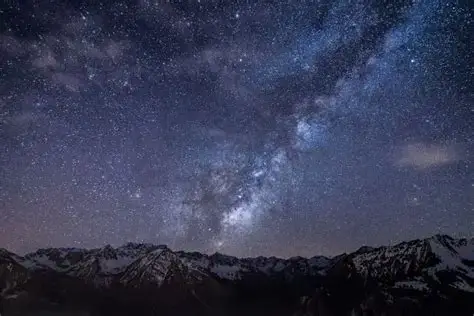
Fewer tourists. Fewer lights. More stars.
The Jura region is one of France’s hidden dark-sky gems. Its gently rolling plateaus, evergreen forests, and wide skies make it a dreamy place to end your 7-day dark sky Europe stargazing road trip itinerary. Plus, it’s one of the few places in Western Europe where you can rent a telescope, attend astronomy nights, and still be within a few hours of a major city.
🌌 Top Spots for Stargazing in Jura
- La Dôle: Located near the Swiss border, this elevated peak provides wide, unobstructed views of the night sky. It’s ideal for spotting low-altitude constellations and great for astrophotography thanks to its dark skies.
- Jura Observatory (Vicques): Situated in the Jura region, this observatory is run by the Jura Astronomy Society. They host public astronomy events, including guided telescope viewings and solar observation sessions.
- Mont-Soleil Astronomical Observatory: Found on Mont-Soleil near Saint-Imier, this observatory offers guided visits both day and night, along with planetarium sessions and special stargazing events throughout the year.
- Les Rousses Plateau: This wide-open area has very low light pollution and is easily accessible, making it a perfect spot for casual stargazers and families to enjoy clear night skies in the Jura Mountains.
You’ll find yourself looking up for hours. Then suddenly, dawn glows on the horizon — a bittersweet reminder that your journey is nearly over.
✨ “I’ve never seen the sky like this,” one traveler whispered at Jura’s observatory. And they were right.
🏕️ Lodging & Events
- Stay in: Les Rousses or Lamoura — tiny towns with cozy cabins and nearby trailheads
- When to go: Mid to late August brings perfect conditions — cooler nights, dry air, and dark skies around the New Moon
- Book ahead: Stargazing events and telescope rentals sell out fast in summer
European Travel Tip – Even with the luck of the Irish, things can still go wrong. World Nomads Travel Insurance is our top choice for travel coverage. With the best transparent fine print in the industry, it’s no wonder they’re ranked number one. Don’t leave your adventures to chance and get a free quote today!
🌠 Bonus Stop A: La Palma, Canary Islands – The Crown Jewel of European Stargazing
Getting There: Fly from mainland Spain or Geneva to La Palma via Madrid or Tenerife (2–4 hours + transfer)
Altitude: 2,426 meters (Roque de los Muchachos)
Dark Sky Rating: Starlight Reserve, Bortle Class 1
Best Months: February–March, May–October
If the Swiss Alps felt like floating among the stars, La Palma feels like leaving Earth entirely.
Known as La Isla Bonita — the beautiful island — this UNESCO Biosphere Reserve is not only one of the most famous stargazing spots in the world, but also a dramatic volcanic landscape. Shaped by ancient eruptions, its rugged terrain and blackened peaks make you feel like you’re standing on another planet.
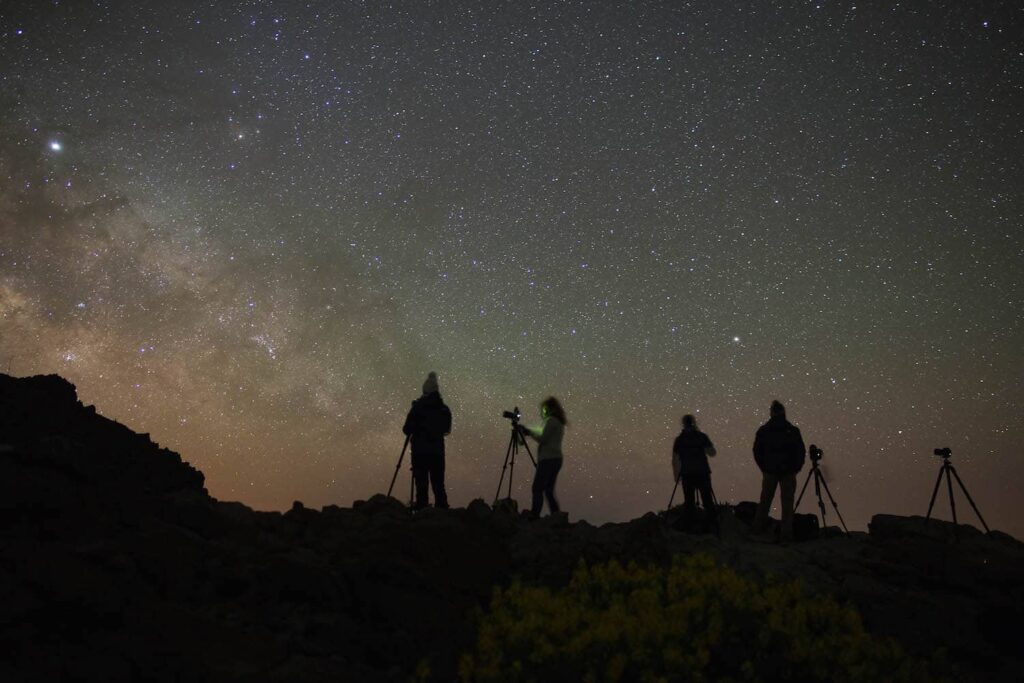
The summit of Roque de los Muchachos soars above the clouds at over 2,400 meters, and thanks to strict light pollution laws, the night sky here is absurdly vivid.
You’ll witness nebulae and galaxies visible without a telescope. Light pollution? Nonexistent. Clouds? They sit beneath you. The clarity is unreal.
- Don’t miss these top-rated La Palma Stargazing Tours — the perfect way to experience one of the most unique places on Earth for yourself – from just 34 euros per person!!
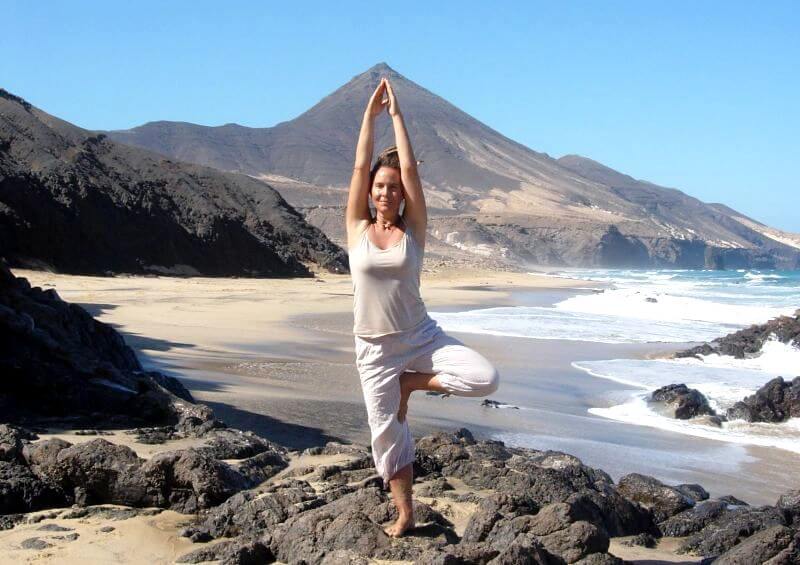
✨ Add a touch of luxury to your 7-day dark sky Europe road trip with a stay at La Palma Yoga & Health Retreats — where slow-flow yoga, Ayurvedic treatments, and personalized bodywork meet volcanic landscapes and world-class stargazing. It’s more than a stay – it’s a reset for body and mind.
Looking for more? Explore our picks for the Best Astro Tourism Wellness Retreats to Change Your Life — where the skies are clear, the silence is golden, and every night feels infinite.For a rejuvenating treat on your trip,
🔭 What to do:
- Tour the Roque de los Muchachos Observatory, home to the world’s largest optical telescope.
- Attend a Star Party hosted by local guides near El Paso or Garafía.
- Join a Milky Way photography workshop (available in English).
🎒 What to pack:
- Warm gear (it can drop below 0°C at night)
- Telephoto lens or telescope (La Palma is astrophotography paradise)
- Power bank, lens heaters, and backup batteries (humidity can cause condensation)
🏔️ Bonus Stop B: Pic du Midi – The Sky Lounge of the Pyrenees
Location: French Pyrenees
Access: Drive to La Mongie, take cable car to summit
Altitude: 2,877 meters
Dark Sky Rating: Bortle Class 2
Best Months: April–June, September–October
You’ll feel like an astronaut before you even reach the top.
At nearly 3,000 meters, the Pic du Midi Observatory rises above the clouds like a stone ship sailing the cosmos. The entire summit is dedicated to scientific observation — and it’s open to the public.
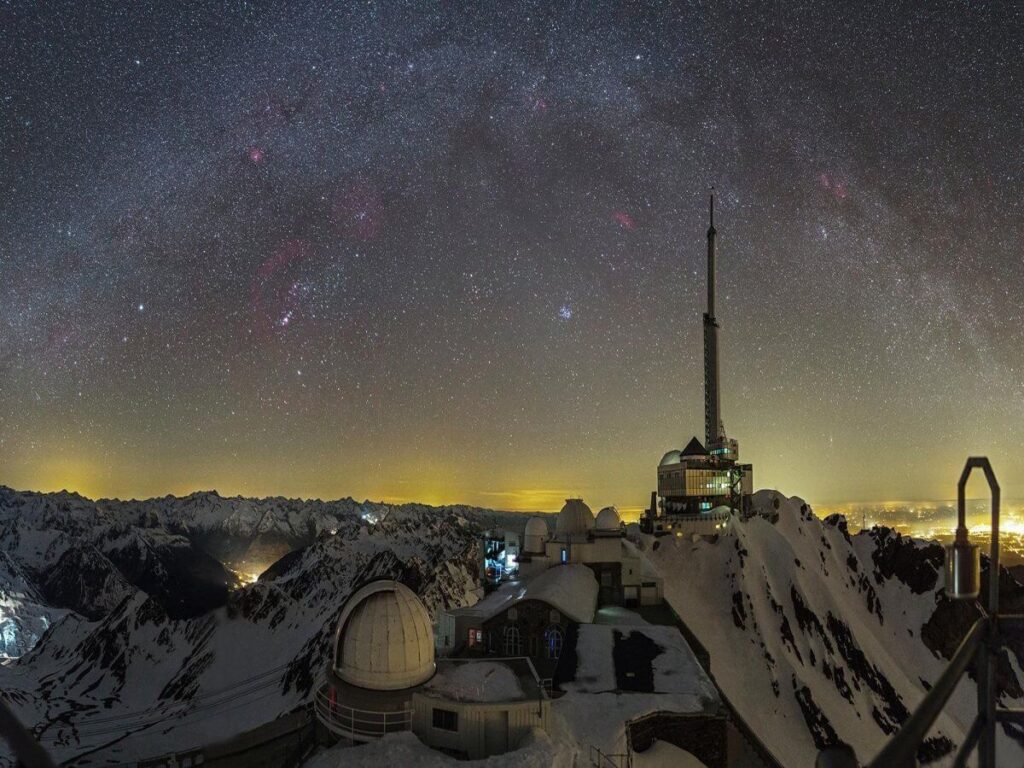
The Pic du Midi Observatory is one of the few places in the world where you can sleep in an observatory, dine with astronomers, and peer through research-grade telescopes.
The Pic du Midi offers a unique overnight stay program called “Nuits d’Astronomie” where guests can sleep at the summit next to the telescopes and enjoy night sky observation with expert guides. This is a rare and bucket-list experience for stargazers.
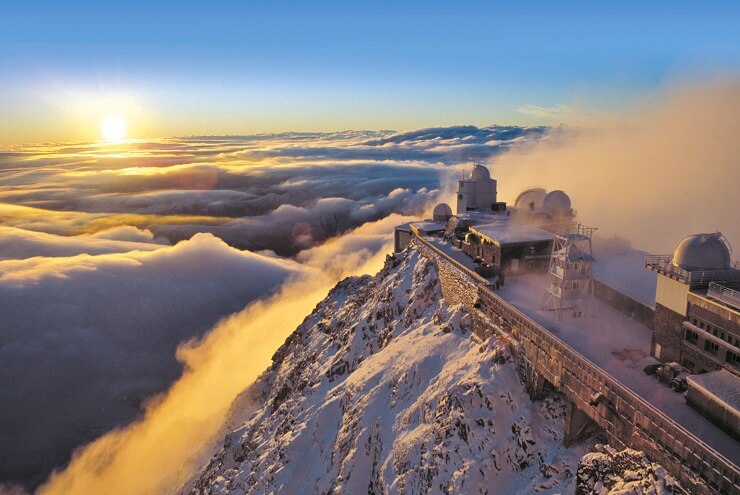
Booking is highly seasonal and requires advance reservation via the official Pic du Midi website.
🍷 Evening program includes:
- Sunset over the Pyrenees
- A gourmet dinner at 2,800 meters
- Telescope viewing with experts
- Overnight stay with morning descent
📸 What to expect:
- Panoramic views of Mars, Jupiter, Saturn (through 400mm scope!)
- Spectacular Milky Way arcs in September and October
- Minimal humidity = tack-sharp long exposures
🚗 Pro tip: Drive from the Jura region (~5.5 hrs) or include this in a second leg of your road trip if you’re flying out of Toulouse.
| Day | Location | Distance / Time | Altitude | Dark Sky Rating | Best Time |
|---|---|---|---|---|---|
| 1–2 | Montsec, Spain | 200 km / 2.5 hrs | 1,570 m | Bortle 2 | May–Sep |
| 3 | Travel to Valais Alps | 400 km / 5 hrs | 1,500–2,500 m | Bortle 2–3 | Jun–Sep |
| 4–5 | Valais Stargazing | Local driving | 2,000+ m | Bortle 2 | Jun–Sep |
| 6–7 | Jura Mountains | 220 km / 3.5 hrs | 1,300–1,700 m | Bortle 2–3 | Aug–Sep |
| Bonus A | La Palma, Canary Islands | Flight via Madrid or Tenerife | 2,426 m | Bortle 1 | Feb–Mar, May–Oct |
| Bonus B | Pic du Midi | Drive + cable car | 2,877 m | Bortle 2 | Apr–Jun, Sep–Oct |
Frequently Asked Questions
When is the best time for stargazing in Europe?
The best time for stargazing in Europe is between May and September, especially during New Moon phases when skies are darkest. Clear, dry nights offer the best visibility.
What are the best dark sky locations in Europe for stargazing?
Europe offers many top dark sky spots including remote mountain ranges and protected reserves with minimal light pollution—perfect for unforgettable stargazing experiences.
Do I need special gear for a dark sky stargazing trip?
Basic gear includes warm clothing, a reliable flashlight with red filter, binoculars or a telescope, star maps or apps, and camera gear if you want to photograph the night sky.
Can I do a stargazing trip without experience?
Absolutely! Many locations offer guided tours, telescope rentals, and beginner-friendly stargazing events to help you enjoy the night sky without prior experience.
How do I avoid light pollution when stargazing in Europe?
Choose official dark sky parks or remote locations far from cities. Check local light pollution maps, and visit during moonless nights for the darkest skies.
🌌 Continue your European stargazing adventure with these 5 Hidden Dark Sky Parks in Europe — lesser-known gems where the night skies are untouched, the crowds are few, and the stars shine brighter than ever. Perfect for extending your road trip into the unknown.
Enjoy Your Epic 7-day Dark Sky Europe Stargazing Road Trip!
The world gets quiet when the stars come out.
This 7-day dark sky Europe stargazing road trip itinerary is more than a travel plan — it’s a call to adventure, a chance to disconnect from the artificial world and reconnect with the universe in its most natural form.
You don’t need to be an expert astronomer. You just need curiosity, a warm jacket, and a willingness to look up.
So pack your gear, plot your route, and head for the mountains. The sky is waiting.


This post contains affiliate links. If you click on the links to make a purchase, we will earn a small commission. This is at NO EXTRA COST to you. This is a free way to support us and allow us to continue to create inspiring adventure travel guides.