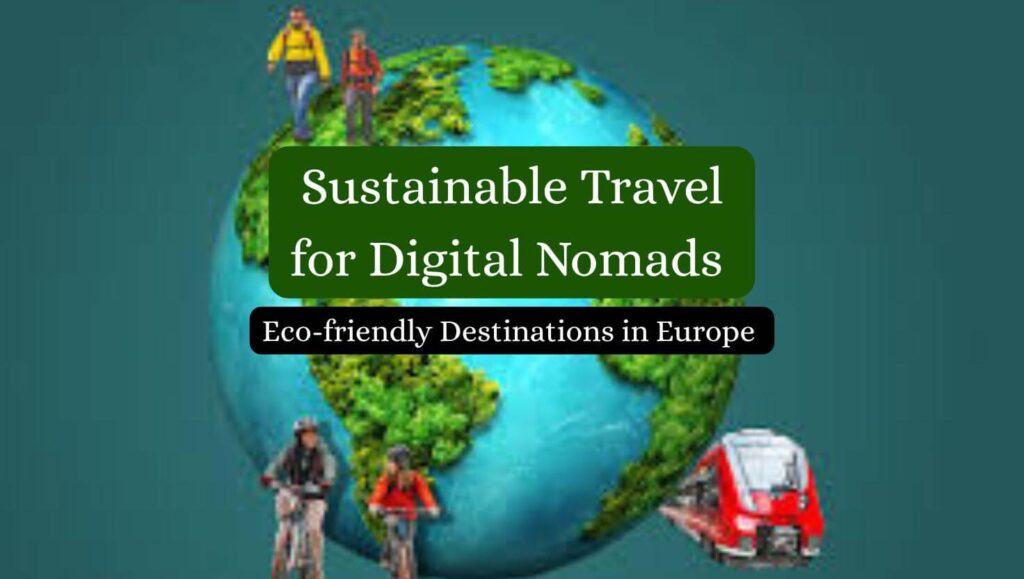

Sustainable travel for digital nomads is more than a passing trend – it’s a lifestyle revolution.
Today’s remote workers prioritize eco-friendly travel, low-carbon transport, and authentic experiences. Instead of crowded, expensive hubs like Barcelona or Berlin, savvy nomads are opting for destination dupes – smaller towns with big-city vibes, sustainable infrastructure, and deep cultural roots.
In this guide, we explore five underrated European gems perfect for sustainable travel for digital nomads. Each offers affordable living, reliable Wi-Fi, green coworking options, and unique local charm. Plus, you’ll get a 10-day green itinerary and practical eco‑travel tips to help you explore Europe with purpose.
Sounds like a plan? Let’s check it out.
1. Understanding Sustainable Travel for Digital Nomads
Sustainable travel for digital nomads combines the flexibility of remote work with eco-conscious choices:
- Opting for low-emission transport like trains, buses, and e-bikes
- Living in eco-friendly stays powered by solar or using rainwater systems
- Working from green coworking hubs and laptop-friendly cafés
- Involving oneself in local communities and minimizing tourist impact
These practices align perfectly with remote workers who want to reduce their carbon footprint while exploring offbeat paths and supporting regional cultures.
If this sounds like you, then you have come to the right place!
When choosing the ideal digital nomad destination, be sure to explore our companion article on the up-to-date Best Digital Nomad Visas. It covers everything you need to know – from eligibility and income requirements to perks, tax benefits, and practical tips – helping you find the perfect match for your remote lifestyle.
As of now, the Happy Irish Wanderers have been traveling full-time for over three years – so it’s safe to say we’ve picked up a thing or two about sustainable, slow travel as digital nomads.
Check out some of our top tips for full time travel:
- How we eat cheaply around the world – 10 best tips
- How we saved money to travel the world – 12 tried and tested ways
- 18 Genius tips to save money while travelling full time
2. What Are Destination Dupes?
Destination dupes are small towns that echo the essence of popular travel cities – but without crowds or premium prices.
For eco‑minded nomads, destination dupes offer multiple benefits:
- Lower living costs and coworking fees
- Less overtourism, preserving the local feel
- Sustainable practices, from recycling programs to green transport
- Authentic, immersive experiences over staged tourism
Here are five standout European “dupes” that support sustainable travel for digital nomads – offering everything from hilltop castles to riverside workspaces.
3. Destination Dupes in Europe – Deep Dive
These offbeat European towns aren’t just cheaper – they’re full of character, coworking options, and green initiatives.
Here’s what digital nomads can expect from these underrated European cities:
Gjirokastër, Albania (“Athens Lite”)
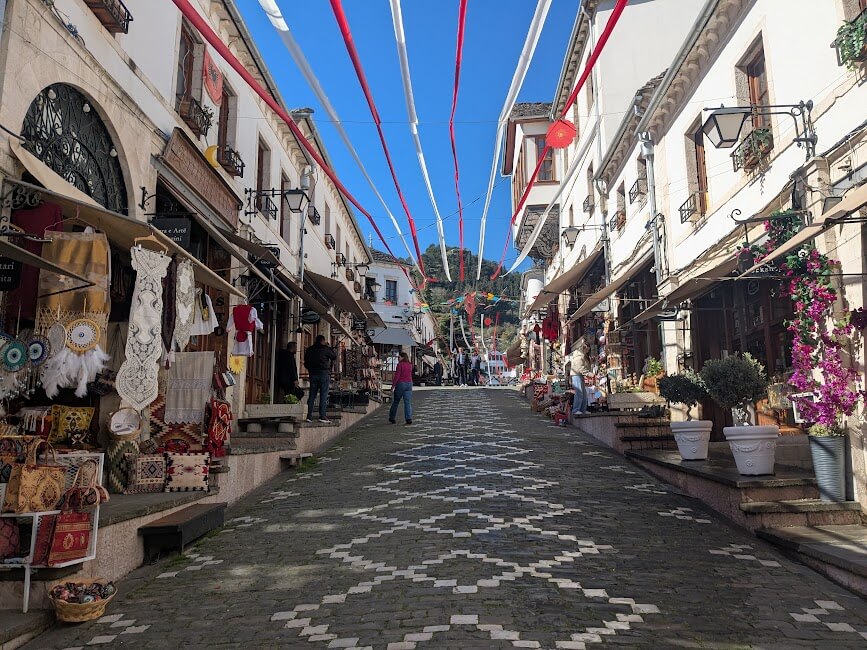
- Cost: ~€250–€400/month for central apartments
- Internet: Reliable 80–200 Mbps fiber; mobile SIMs €10–€20/month
- Transport: Affordable intercity buses; walkable Old Town
- Eco‑friendly highlights: Solar-heated guesthouses, café recycling bins
- What to expect: UNESCO-listed architecture, fortress views, quiet café vibes – all supporting remote work
- Nomad note: Limited coworking, but calm cafés and strong Wi‑Fi compensate
- Community tip: Try Café Kalemi for strong coffee and reliable Wi-Fi; locals recommend exploring the Saturday market for fresh produce and crafts.
Watch the video below to see how we got on during a day in Gjirokaster, Albania – a hidden gem in Europe.
If time allows, consider spending a few days exploring Albania – a lesser-visited gem in Europe.
Find related Albania articles below:
- Best things to do in Tirana
- Discover the Best Coastal Town in Albania
- Best Things to do in Berat
- Best things to do for one day in Vlore
Košice, Slovakia (“Eastern European Gem”)
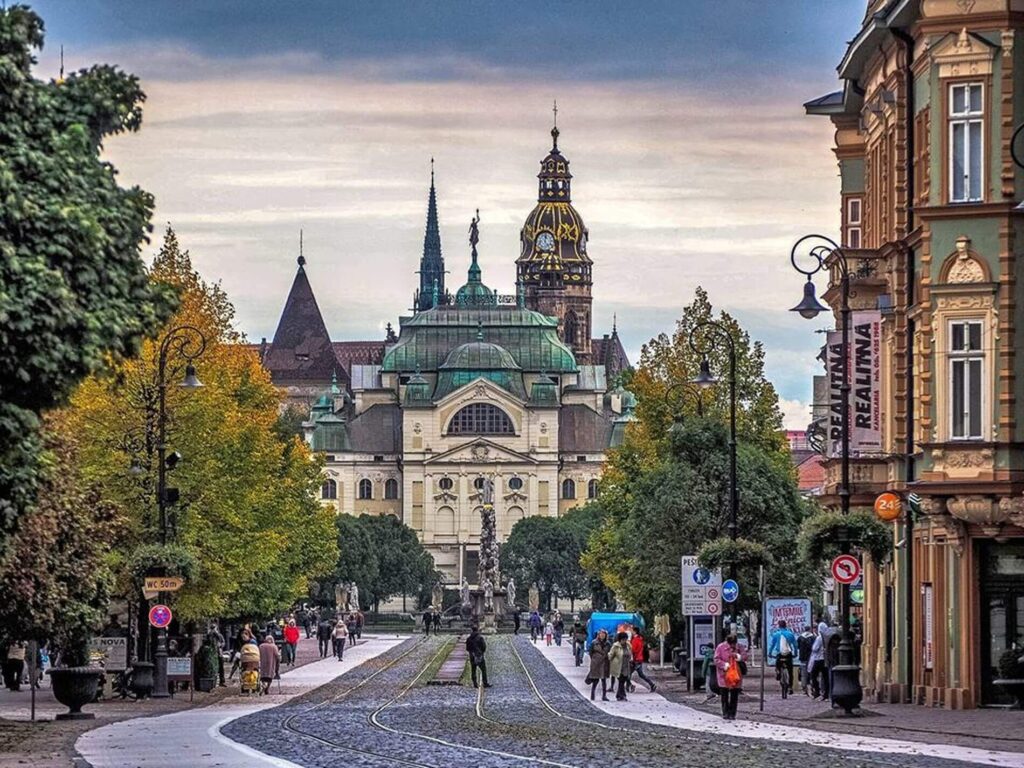
- Cost: Apartment €350–€600/month; coworking from €75–€100/month
- Coworking: Eastcubator coworking €8–€12/day or €75–€100/month; offers 24/7 access
- Transport: Efficient trams, electric buses, and bike rentals
- Eco‑features: Strong city focus on sustainability with green public transport and recycling programs
- What to expect: Indie art scene, affordable living, walkable city center, friendly nomad community
- Community tip: Check out HalmiSpace café for remote work and Dobré Bistro for vegan-friendly eats
Tarnów, Poland (“Kraków Undiscovered”)
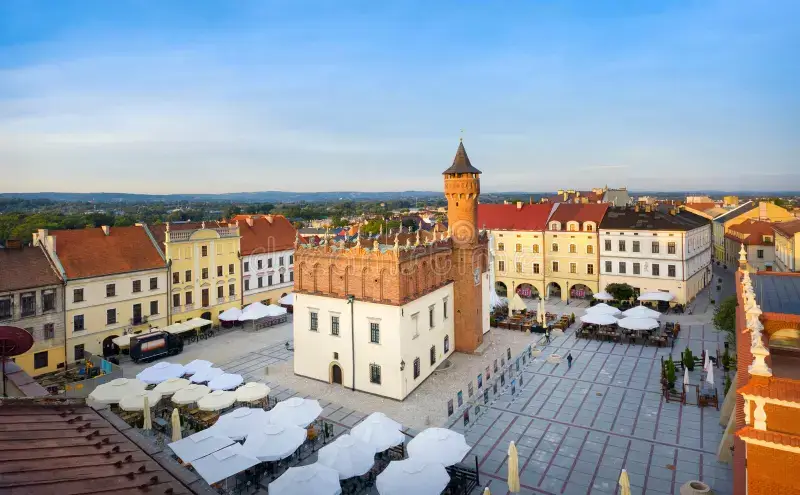
- Cost: Flats rent for €300–€550/month; coworking ~€80/month
- Transport: Train to Kraków (~€4), pedestrian-friendly center
- Eco‑friendly highlights: Solar streetlights, riverbank Wi‑Fi parks, farmers’ markets
- What to expect: Gothic churches, lakeside work spots, folk music evenings – ideal for sustainable travel for digital nomads
- Community tip: Work from Kawiarnia Literacka, a cozy literary café with great espresso; locals suggest attending folk festivals in summer for authentic cultural experiences.
Trebinje, Bosnia & Herzegovina (“Dubrovnik’s Cousin”)
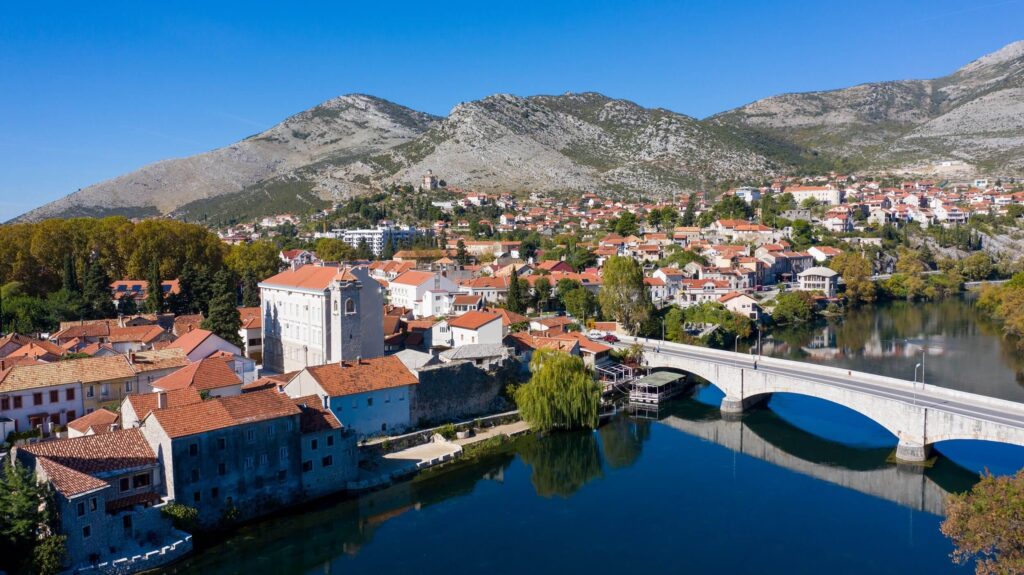
- Cost: €250–€500/month rent; coworking ~€90/month
- Transport: Local bike loans; bus to Dubrovnik (~€6)
- Eco‑features: Solar cafés, organic market stalls, river conservation efforts
- What to expect: Riverside coworking, vine-covered patios, mellow Adriatic atmosphere
- Community tip: Visit Café Culture for a quiet workspace and friendly vibes; join the local “Nomads in Trebinje” Facebook group to connect with fellow travelers.
For more off-the-beaten-path gems in Europe, take a look at our adventures in the Baltic States:
- 10-Day Baltic States Itinerary
- Tallinn, Estonia – the most beautiful city in Europe
- Tallinn to Helsinki Day Trip
- Things to Do in Riga, Latvia
Plovdiv, Bulgaria (“Florence of the Balkans”)
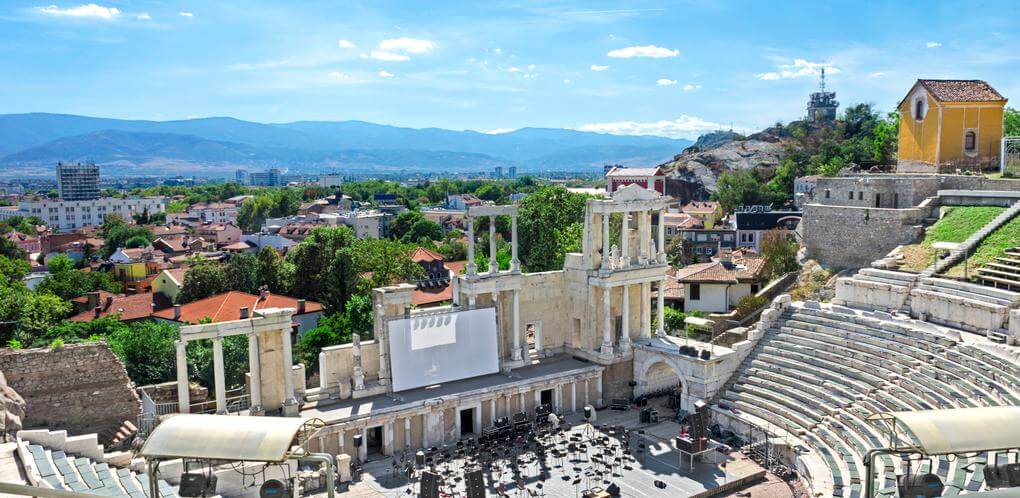
- Cost: Apartments €400–€700/month; coworking ~€120/month
- Transport: Free buses in Old Town, nearby hiking
- Eco‑highlights: Rain-harvesting fountains, bike rentals, neighborhood gardens
- What to expect: Rooftop offices overlooking Roman ruins, cultural bazaars, creative cafés
- Nomad voices: Travelers share: “Plovdiv is definitely the top pick… so alive and walkable… lots of clearly not tourists”
- Community tip: Head to Rainbow Factory coworking café for a creative atmosphere; don’t miss Kapana district’s street art and artisan markets on weekends.
These lesser-visited European cities are perfect for sustainable travel for digital nomads who want meaningful experiences without the crowd or carbon load.
If you are interested in off-the-beaten-path travel, check out the articles below for lesser-visited destinations in Europe:
- Mediterranean Alternatives in Eastern Europe For Best Value Trips
- Best Destination Dupes to Know About: Budget-Friendly Alternatives to Over-Touristed
- Best Hidden European Small Towns: Off-the-beaten-path travel in Europe
4. 10-Day Eco-Nomad Itinerary with Sustainable Transport
Plan your journey across five eco-conscious European “dupe” destinations.
All routes are achievable during the day – no overnight travel or chaotic airport runs. With manageable distances and scenic cross-country buses and trains, this itinerary supports a low-stress, low-carbon approach to working and exploring Europe as a digital nomad.
This section includes key highlights for each stop and how to reach them using low-impact, budget-friendly travel options.
| Day | Location | Highlights | How to Get There |
|---|---|---|---|
| 1–3 | Gjirokastër, Albania | Fortress views, cobblestone cafés, fast Wi-Fi | Fly to Tirana or Corfu → Bus to Gjirokastër (3–4 hrs) |
| 4–5 | Trebinje, Bosnia & Herzegovina | Riverfront coworking, vineyards, relaxed pace | Bus via Podgorica or Dubrovnik (~3–4 hrs) |
| 6–7 | Plovdiv, Bulgaria | Roman ruins, solar-powered coworking, creative cafés | Bus/train to Sofia → Train to Plovdiv (~2 hrs) |
| 8–9 | Košice, Slovakia | Indie art scene, coworking hubs, affordable rent | Train: Sofia → Budapest (~10 hrs) → Košice (3 hrs) |
| 10 | Tarnów, Poland | Folk festivals, charming old town, fast Wi-Fi in cafés | Train from Košice to Tarnów (~4 hrs) |
Sustainable Travel tips: Use buses/trains where possible, rent e-bikes in town, opt for eco-hostels or Airbnb with green certifications, and support local sustainability initiatives like zero-waste shops and community gardens.
5. Cost Comparison for Digital Nomads: Rent, Coworking & Transport
Compare monthly living costs across five underrated digital nomad cities.
This breakdown includes average rent, coworking space prices, internet speeds, and local transportation options to help you plan sustainably and affordably.
| Location | Rent (1‑bed apt) | Coworking (Monthly) | Internet Speed | Local Transport |
|---|---|---|---|---|
| Gjirokastër, Albania | €250–€400 | Café pass (€50–€80) | 80–200 Mbps | Bus, walkable, e-bike (€4/day) |
| Trebinje, Bosnia | €250–€500 | ~€90 | 60–150 Mbps | Walkable, bike loans, local buses |
| Plovdiv, Bulgaria | €400–€700 | €100–€130 | 100–200 Mbps | Bus, e-bikes, walkable |
| Košice, Slovakia | €350–€600 | €75–€100 | 100–300 Mbps | Trams, bikes, electric buses |
| Tarnów, Poland | €300–€550 | ~€80 | 80–150 Mbps | Trains, buses, walkable |
6. Packing & Planning Tips for Sustainable Travel
Smart preparation is key to sustainable travel for digital nomads. What you pack – and how you plan – can make a huge difference in reducing your footprint and improving your travel efficiency.
Essential Eco-Friendly Packing List
- Reusable water bottle (collapsible preferred)
- Solar charger or power bank
- Solid toiletries (shampoo bars, toothpaste tablets)
- Reusable shopping & produce bags
- Eco-friendly laundry sheets (like Tru Earth)
- Compact utensils or bamboo cutlery
- VPN & cloud backup tools (for safer digital work)
Smart Planning Strategies
- Book trains or buses over flights where possible (Trip.com or Omio)
- Use platforms like Workfrom, Nomad List, or Coworker to find green coworking spots
- Choose Airbnb hosts or hostels that mention eco-friendly, solar-powered, or sustainable stay
- Offset flights using platforms like MyClimate or Ecologi to calculate your carbon footprint from flights and invest in verified carbon reduction projects.
By planning ahead, you’ll align with the core principles of sustainable travel for digital nomads: minimal impact, maximum experience.
If you are looking for more budget travel in Europe, check out the following Ireland articles:
- How to visit Ireland on a budget
- Lesser-known free attractions in Ireland
- 5 Best road-trips in Ireland
Conclusion: Travel Greener, Work Freer
The future of remote work isn’t in loud digital nomad hotspots. Choosing sustainable travel for digital nomads today means traveling smart: low impact, high authenticity, and budget-savvy.
From the hilltop beauty of Gjirokastër to the riverside peace of Trebinje, each European “dupe” city mentioned above offers Wi‑Fi reliability, cultural richness, and eco-conscious living.
Choosing any of these underrated “dupe” cities means:
- Lower cost of living
- Authentic cultural connections
- Easier access to green travel options
- A deeper sense of purpose in how you roam
🌌 Continue your European adventure with these 5 Hidden Dark Sky Parks in Europe — lesser-known gems where the night skies are untouched, the crowds are few, and the stars shine brighter than ever. Perfect for extending your road trip into the unknown.
By embracing sustainable travel for digital nomads, you not only protect the places you visit, but you also enhance your own work-life freedom.
Please let us know which European city you think is a dupe and how you best implement sustainable travel as a digital nomad. We would love to hear from you.
Feel free to leave a message below or contact us on our socials.
Slán go fóil


This post contains affiliate links. If you click on the links to make a purchase, we will earn a small commission. This is at NO EXTRA COST to you. This is a free way to support us and allow us to continue to create inspiring adventure travel guides.