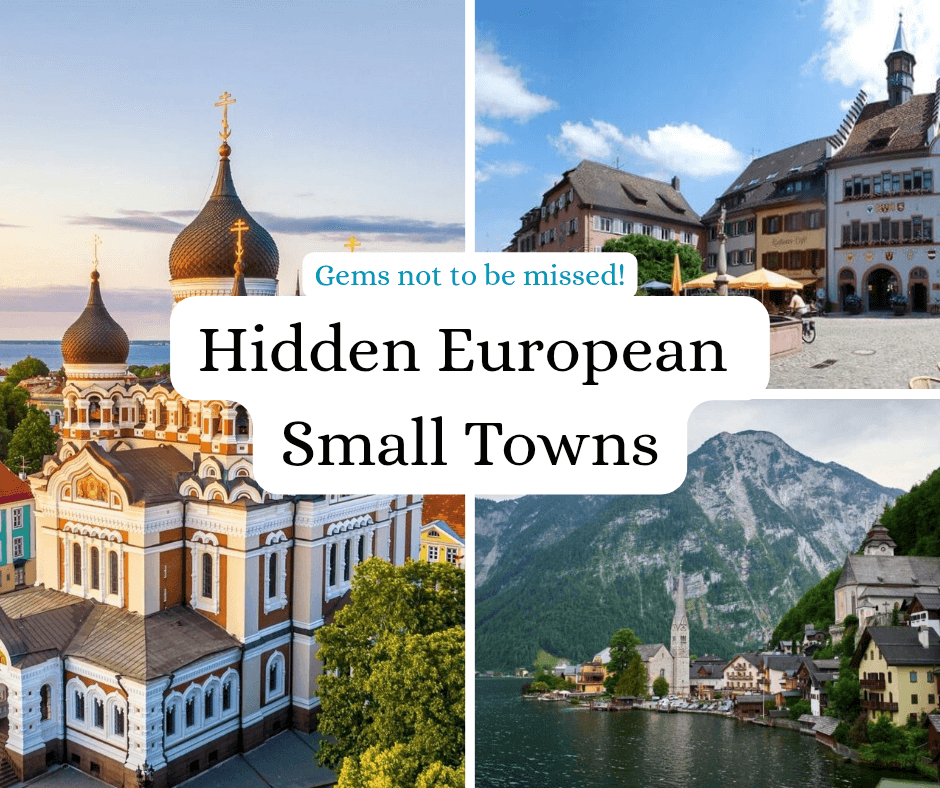

Skip the crowds and overhyped cities – is the perfect year to explore hidden European small towns that blend history, culture, nature, and charm.
From UNESCO-listed Balkan villages to digital nomad-friendly northern capitals, these underrated European destinations offer unforgettable experiences at a fraction of the cost and stress.
Whether you’re a slow traveler, solo explorer, couple, digital nomad, or nature enthusiast, there’s a town here for you.
This article dives deep into six enchanting towns – from Gjirokastër’s historic streets to Tallinn’s modern vibe – highlighting what makes each unique, the best times to visit, and top things to do.
Below, you’ll find answers to the most frequently asked questions to help you plan your perfect off-the-beaten-path European adventure.
Hidden European Small Towns to Visit
Before we dive into each destination in detail, here’s a quick overview of the six hidden European towns featured in this guide.
This table highlights where they are, who they’re best suited for, and the kinds of experiences you can expect, whether you’re a digital nomad, culture lover, or someone looking for the next undiscovered gem. Use it as a snapshot to help you choose your perfect escape.
| Town | Country | Best For | Highlight Experience |
|---|---|---|---|
| Gjirokastër | Albania | Culture lovers, history buffs | Ottoman fortress views and traditional folklore festivals. |
| Tallinn | Estonia | Digital nomads, solo travelers | Perfect blend of medieval Old Town charm and modern tech-driven lifestyle. |
| Hallstatt | Austria | Romantic getaways, nature fans | Lakeside hikes, alpine scenery, and historic salt mine tours. |
| Český Krumlov | Czech Republic | Art & history lovers | Fairytale castle, old-town streets, and gentle river rafting. |
| Bolgheri | Italy | Foodies, couples, wine seekers | Scenic Tuscan wine roads, vineyards, and gourmet dining experiences. |
| Staufen im Breisgau | Germany | Slow travelers, wine lovers | Relaxed vineyards, folklore traditions, and spa-town atmosphere. |
1. Gjirokastër, Albania – A Timeless Balkan Fortress Town
Tucked into the mountains of southern Albania, Gjirokastër is a UNESCO World Heritage Site known for its dramatic stone architecture, ancient fortress, and unique blend of Ottoman and communist history.
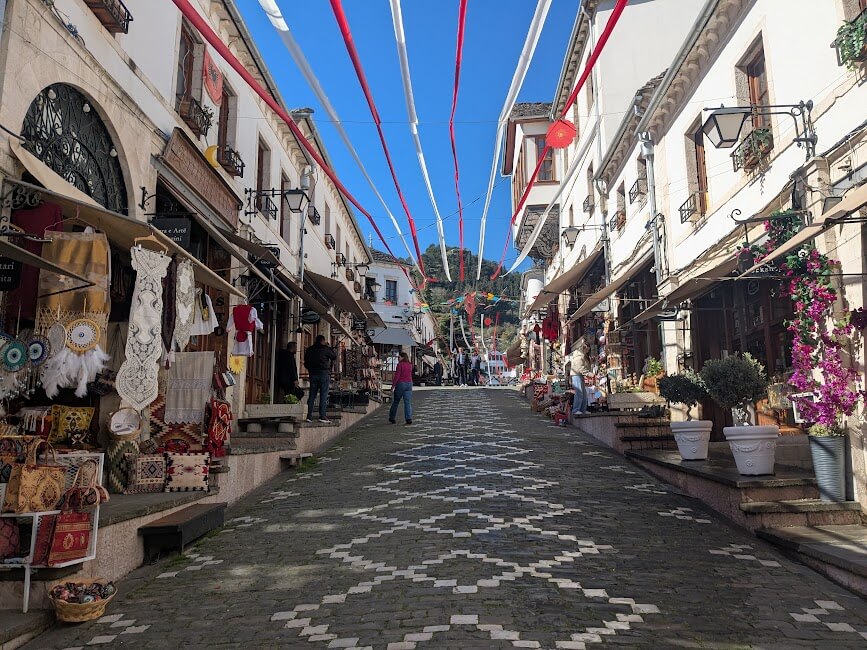
Sometimes called the “City of Stone,” this hidden Balkan town offers a rare glimpse into a past that still pulses through its steep cobbled streets and slate-roofed homes. It’s one of the best off-the-beaten-path destinations in Europe – ideal for history lovers, budget travelers, and cultural explorers.
Top Things to Do in Gjirokastër:
- Explore Gjirokastër Castle, Albania’s largest, with panoramic views and a weapons museum.
- Visit the Ethnographic Museum, once the home of Enver Hoxha.
- Wander the Old Bazaar, where locals sell handmade textiles and ceramics.
- Eat local dishes like qifqi (spiced rice balls) and tavë kosi (baked lamb and yogurt).
| Gjirokastër Travel Facts | Details |
|---|---|
| Closest Airport | Tirana International Airport (approx. 3.5-hour drive) |
| Best Time to Visit | April–June and September–October for mild weather and fewer crowds |
| Daily Budget | €35–€55 per day (very budget-friendly) |
| Ideal For | Culture lovers, history fans, and budget travelers |
Gjirokastër Travel Tip: Visit during the National Folklore Festival for traditional music and dance performances.
Check out the video below to see what we got up to on a day in Gjirokaster – Albania’s hidden gem:
Top-rated Gjirokastër Tour:
- This popular Gjirokaster walking tour is the best way to explore the town with local certified guides.
At the time of writing, we’re in Albania, enjoying life as digital nomads in this hidden gem of Europe.
Check out some of the related articles to discover the best of Albania:
- Best things to do in Tirana
- Discover the Best Coastal Town in Albania
- Best Things to do in Berat
- Best things to do for one day in Vlore
2. Tallinn, Estonia – The Digital Nomad’s Medieval Playground
With its fairy-tale towers, Baltic sea breeze, and booming tech scene, Tallinn blends old-world charm with modern energy.
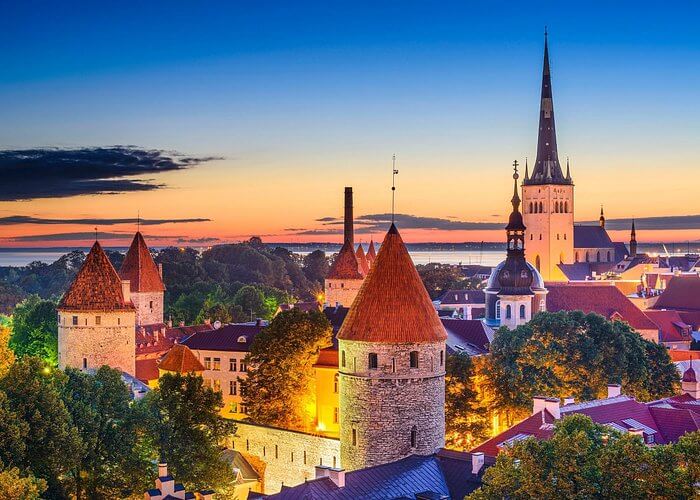
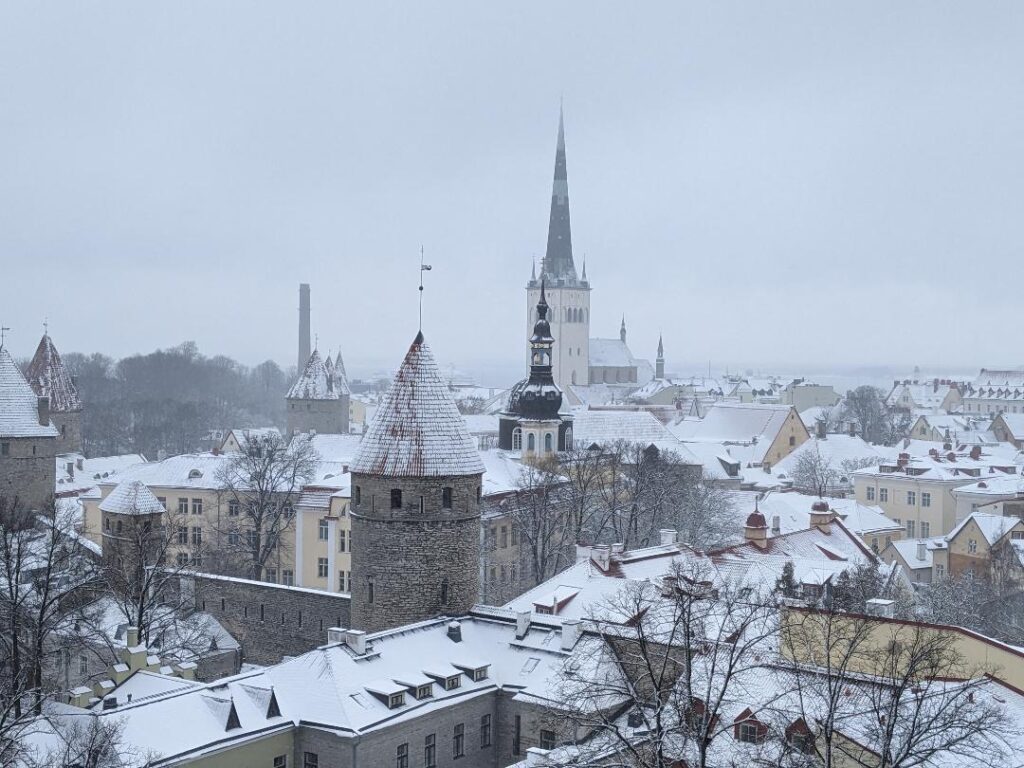
The UNESCO-listed Old Town draws you in with medieval streets and Gothic spires, while just beyond, neighborhoods like Kalamaja offer creative cafés, co-working hubs, and digital-first infrastructure.
Tallinn is one of Europe’s most underrated city breaks – and a rising favourite for digital nomads, solo travellers, and remote workers.
- European Travel Tip – Even with the luck of the Irish, things can still go wrong. World Nomads Travel Insurance is our top choice for travel coverage.
Top Things to Do in Tallinn:
- Wander the UNESCO-listed Old Town with its towers, walls, and Gothic churches.
- Work from stylish co-working cafés in the Kalamaja district.
- Visit Telliskivi Creative City — a hub for local art, startups, and street food.
- Take a ferry to Helsinki or a seaside walk to Kadriorg Palace.
👉 Check out our full Tallinn travel guide or discover Tallinn at Christmas, and start planning your trip to the most beautiful town in Europe today!
| Tallinn Travel Facts | Details |
|---|---|
| Closest Airport | Tallinn Airport (approx. 15 minutes from Old Town) |
| Best Time to Visit | May–September for long daylight hours and warmer weather |
| Daily Budget | €50–€80 per day (comfortable mid-range) |
| Ideal For | Digital nomads, solo travelers, and history buffs |
Top-rated Tallinn Tours:
Estonia for Digital Nomads: Estonia offers e-residency and excellent Wi-Fi, perfect for remote work while exploring. *Estonia’s e-Residency is a government-issued digital identity that allows non-Estonians to start and manage a location-independent business 100% online, from anywhere in the world.
- Discover where you can legally work in Europe as a digital nomad with our list of the Best Digital Nomad Visas, and prepare with the best eSIM for digital nomads in Europe
3. Hallstatt, Austria – Alpine Serenity by the Lake
Set beside a glassy lake and backed by the Dachstein Alps, Hallstatt is one of Austria’s most iconic small towns — yet it still retains moments of real peace and serenity. The town’s pastel houses, flower-filled balconies, and salt-mining history create a dreamlike experience, especially when explored early in the day or during shoulder seasons.
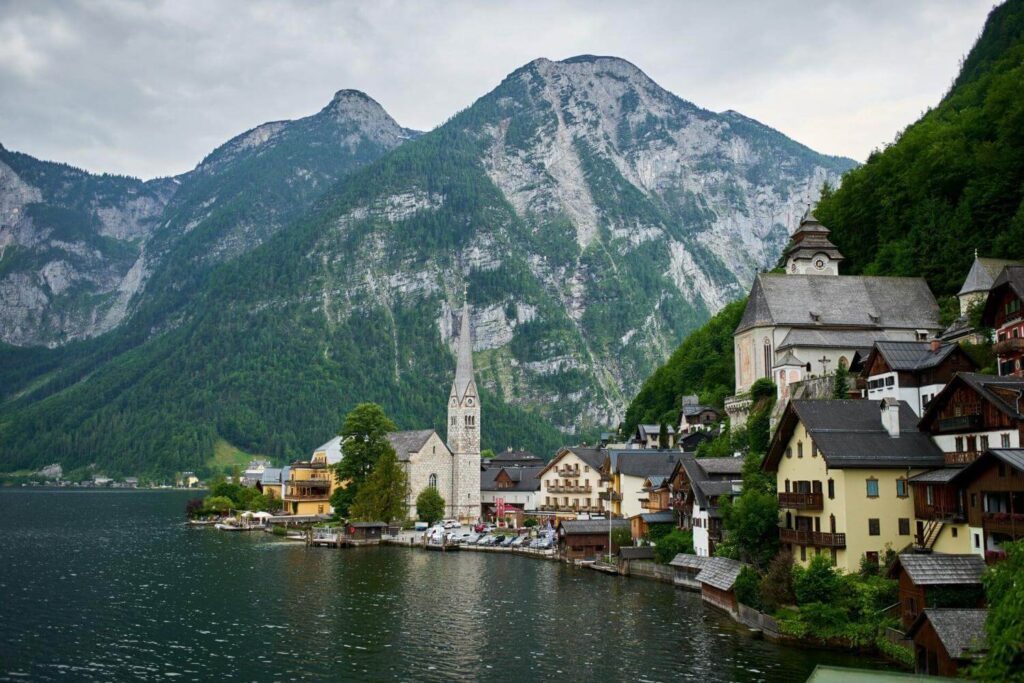
Ideal for romantic getaways, photographers, and nature lovers, Hallstatt proves that famous doesn’t always mean overcrowded – if you time it right.
Though Hallstatt is world-famous, it’s surprisingly peaceful during shoulder seasons (spring and fall) or in the early morning before day-trippers arrive. Visiting in May, June, September, or October lets you enjoy Hallstatt’s beauty without the heavy tourist traffic.
Top Things to Do in Hallstatt:
- Ride the funicular up to the Hallstatt Skywalk.
- Tour the Salt Mine, dating back over 7,000 years.
- Paddleboat across Lake Hallstatt for incredible photo ops.
- Visit the Bone House (Beinhaus) in the small Catholic chapel.
| Hallstatt Travel Facts | Details |
|---|---|
| Closest Airport | Salzburg Airport (approx. 1.5 hours) |
| Best Time to Visit | Late April–June and September–mid October for pleasant weather and smaller crowds |
| Daily Budget | €70–€120 per day (mid to high range) |
| Ideal For | Romantic getaways, nature lovers, and photographers |
Hallstatt travel tip to avoid the crowds: Stay overnight – day-trippers leave by 5 PM, and the town becomes quiet and magical.
Top-rated Hallstatt Tour:
- Paddle along the crystal-clear waters of Lake Hallstatt on a guided kayak tour. Enjoy incredible panoramic views of the towering Dachstein Massif and the surrounding forested slopes.
👉 Book tickets for all your trains, ferries, and buses in Europe, +1000 travel companies, and save money and time on all your transport needs.
4. Český Krumlov, Czech Republic – A Fairytale Castle Town
This Bohemian jewel is often called a “Mini-Prague,” but it has a charm all its own. Wrapped in a bend of the Vltava River and crowned by a sprawling castle complex, Český Krumlov feels like walking through a Renaissance painting.
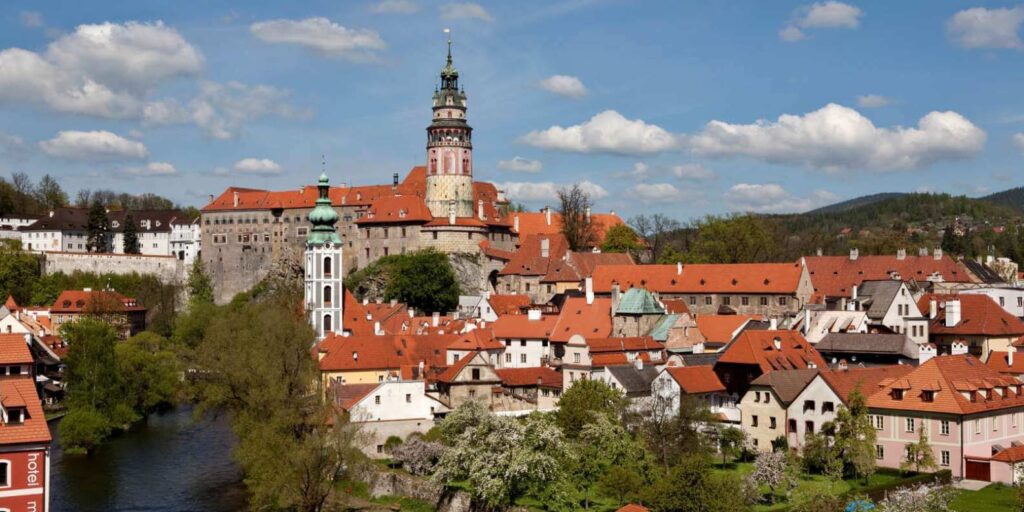
Its cobblestone streets, red-roofed townhouses, and gothic towers make it one of Europe’s most picturesque small towns – yet it’s refreshingly free from big-city bustle.
Whether you’re sipping mulled wine in a hidden courtyard or catching an outdoor play beneath the stars, the town surprises visitors with layers of art, history, and theatrical flair.
Top Things to Do Český Krumlov:
- Explore the massive Český Krumlov Castle and its baroque theater.
- Canoe or raft down the Vltava River.
- Enjoy art at the Egon Schiele Art Centrum.
- Dine riverside at medieval-themed taverns.
| Český Krumlov Travel Facts | Details |
|---|---|
| Closest Airport | Václav Havel Airport Prague (approx. 2.5 hours) |
| Best Time to Visit | May–September for pleasant weather and local events |
| Daily Budget | €50–€90 per day (mid-range) |
| Ideal For | Art lovers, romantic travelers, and history buffs |
Český Krumlov Theater Tip: Book a show at the open-air Revolving Theatre in summer – it’s one-of-a-kind.
Top-rated Český Krumlov Tours:
- Český Krumlov: 2 Hour Private Walking Tour with Guide
- Enjoy this Vltava River cruise on a unique wooden raft with live commentary and see Český Krumlov from a different perspective.
5. Bolgheri, Italy – Tuscany’s Most Romantic Wine Route
Set between vineyards and cypress trees, Bolgheri is Tuscany without the tourist flood.
Surrounded by vineyards, olive groves, and cypress-lined roads, Bolgheri is one of Tuscany’s best-kept secrets.
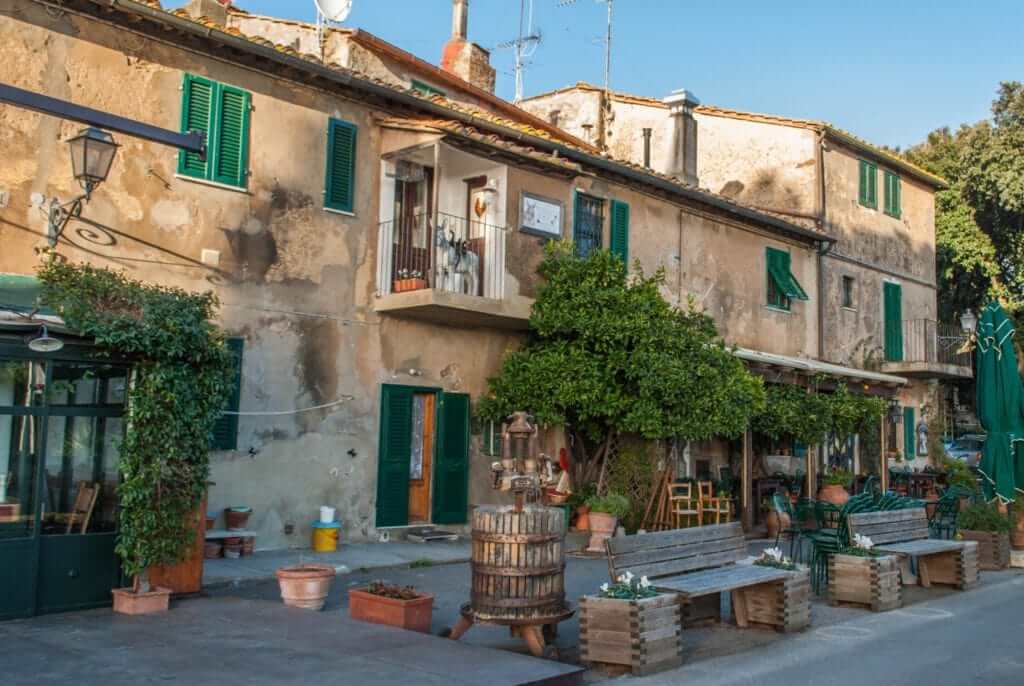
This quiet hilltop village is the heart of the Super Tuscan wine movement, with world-renowned wineries tucked between charming trattorias and medieval towers.
If you’re looking for a more authentic (and less touristy) side of Tuscany, Bolgheri offers unforgettable flavors and scenic backroads – perfect for wine lovers, honeymooners, and food-focused travelers in Europe.
Top Things to Do in Bolgheri:
- Drive or bike down the iconic Viale dei Cipressi.
- Visit top vineyards: Ornellaia, Sassicaia, Tenuta di Biserno.
- Attend Bolgheri Jazz or local food festivals in summer.
- Relax on the nearby Etruscan Coast beaches.
| Bolgheri Travel Facts | Details |
|---|---|
| Closest Airport | Pisa International Airport (approx. 1 hour) |
| Best Time to Visit | April–June, September–October for vineyards, mild weather, and festivals |
| Daily Budget | €80–€140 per day (mid to high) |
| Ideal For | Wine lovers, couples, and foodies |
Bolgheri Pro Tip: Book a tasting menu lunch at a Bolgheri vineyard – often cheaper and better than fine dining.
Top-rated Bolgheri Tour:
- Discover the process of winemaking from grape to glass on a tour of a family-run winery. Nestled in the Italian countryside, enjoy a tour of the vineyard, winery, and then wine tasting for the incredible value of only 25 euros per person.
While we’re talking about the best towns to visit, have you ever been to any of the places on our list of the most unique towns in the world? If Ireland is on your travel radar, don’t miss our guides to the most beautiful towns in Ireland and the top towns in County Cork – widely considered Ireland’s best county!
6. Staufen im Breisgau, Germany – Black Forest Elegance
Famous as the place where Dr. Faustus supposedly died, this Black Forest village is a mix of legend, wine, and peaceful cobbled streets.
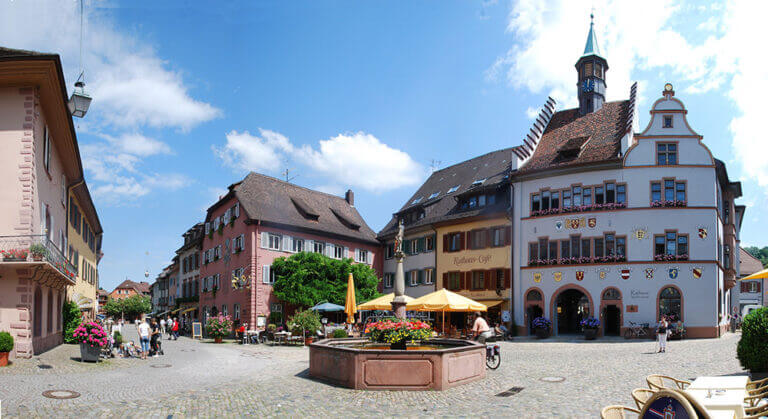
Small, peaceful, and full of old-world charm, Staufen im Breisgau is a town where the Black Forest meets wine country. Known for its connection to the Faust legend and surrounded by vineyards, it offers a slower, more soulful side of Germany.
With spa resorts nearby, storybook architecture, and hiking trails that start right from the town, it’s a perfect retreat for slow travelers, seniors, and anyone seeking relaxation with cultural depth.
Top Things to Do in Staufen im Breisgau:
- Stroll the old town with its timber-framed buildings and art galleries.
- Hike in the Black Forest foothills right from town.
- Enjoy tastings at local wineries like Winzergenossenschaft Staufen.
- Relax in thermal hotels nearby (e.g., Bad Krozingen) and treat yourself to a luxury stay in a spa hotel in Staufen im Breisgau – When in Staufen and all that!
- A day trip to Europa-Park in Rust is a must, especially for families, thrill-seekers, or anyone who wants to mix charming towns with world-class entertainment.
| Staufen im Breisgau Travel Facts | Details |
|---|---|
| Closest Airport | Freiburg Airport (approx. 30 min) |
| Best Time to Visit | May–September for vineyards, festivals, and mild weather |
| Daily Budget | €50–€90 per day (mid-range) |
| Ideal For | Slow travelers, wine lovers, and spa seekers |
Staufen im Breisgau Literary Tip: Ask locals about the Faust myth – many believe Staufen inspired Goethe’s Faust.
Why Choose These Hidden European Small Towns?
The detour-destination trend is stronger than ever this year. According to recent travel data, over 60% of travellers are actively avoiding major cities in favour of places that feel local, calm, and culturally immersive.
This shift is driven by a growing desire for authentic experiences – where you can connect with local communities, enjoy slower-paced exploration, and discover hidden gems off the typical tourist radar.
As travelers seek meaningful and sustainable journeys, small European towns perfectly fit the bill, offering rich history, stunning landscapes, and unique cultural experiences without the usual crowds and hustle.
Check out the related articles below for the best destination dupes:
- Eco‑Friendly Destination Dupes in Europe
- Mediterranean Alternatives in Eastern Europe For Best Value Trips
- Best Destination Dupes: Budget-Friendly Alternatives to Over-Touristed Hotspots
Benefits of Exploring Smaller Towns in Europe:
- Less crowded, more authentic
- Lower travel costs
- Unique heritage and traditions
- More sustainable, slower travel pace
- Better connection with locals and culture
Best Hidden European Small Towns FAQs
Q1: When is the best time to visit small towns in Europe?
A: Spring (April–June) and early autumn (September–October) are generally ideal. You’ll avoid peak crowds, enjoy mild weather, and experience local festivals and seasonal food.
Q2: How can I reach these towns from major airports?
A: Most small towns are accessible by car or train from nearby international airports. Renting a car gives you flexibility, while trains and buses offer a scenic, eco-friendly alternative.
Q3: Are these towns expensive to visit?
A: Daily costs vary: budget towns like Gjirokastër are very affordable (€35–€55/day), while popular spots like Hallstatt or Bolgheri can range €70–€140/day. You can find local dining and accommodation options for every budget.
Q4: Can I visit these towns as a solo traveler or digital nomad?
A: Absolutely. Towns like Tallinn and Český Krumlov are perfect for solo exploration, while Tallinn, with its co-working spaces and Wi-Fi infrastructure, is excellent for remote work.
Q5: What should I pack for small-town travel in Europe?
A: Comfortable walking shoes, layered clothing for changing weather, a daypack, and a camera. If visiting wine regions or alpine towns, include weather-appropriate attire for outdoor activities.
Q6: Are these towns family-friendly?
A: Yes! Many towns offer gentle hikes, cultural sites, boat trips, and small festivals suitable for families. Some, like Staufen im Breisgau, even have nearby attractions like Europa-Park for kids and teens.
Q7: How can I make the most of my visit?
A: Visit during shoulder seasons, stay overnight when possible to experience quieter mornings and evenings, try local foods and wines, and consider guided tours to learn the history and hidden stories.
Enjoy These Hidden Gems in Europe
These hidden European towns deliver what mainstream destinations often can’t – authenticity, calm, affordability, and a deeper connection with place and people.
Whether you’re drinking red wine in Bolgheri, rafting in Český Krumlov, or working remotely from Tallinn’s Old Town, your travel story deserves a fresh chapter.
Let us know which of these hidden gems in Europe is calling you, and tell us how you get on – we would love to hear from you.
Feel free to leave a message below or contact us on our socials.
Slán go fóil


This post contains affiliate links. If you click on the links to make a purchase, we will earn a small commission. This is at NO EXTRA COST to you. This is a free way to support us and allow us to continue to create inspiring adventure travel guides.