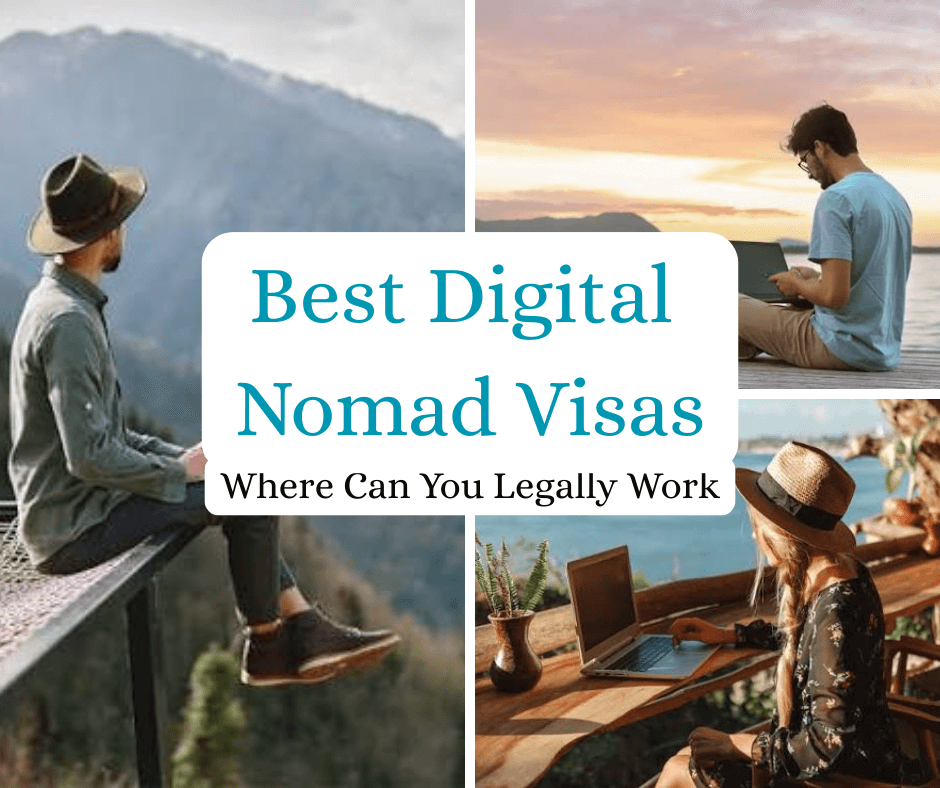

Nowadays, the rise of remote work isn’t just a trend – it’s a global movement. From solo freelancers to startup teams, millions are taking their jobs on the road and asking: Where can I work remotely – and live legally?
Enter the digital nomad visa: your passport to staying longer, living better, and working legally abroad.
More than 50 countries now offer some form of digital nomad or remote work visa, with new programs launching every year. But choosing the right visa can be overwhelming – each country has different income thresholds, tax rules, and hidden advantages.
This guide is your no-fluff, up-to-date roadmap to the best digital nomad visas. We’ll compare eligibility, income requirements, perks, tax breaks, and real-life tips to help you find the perfect fit for your remote lifestyle.
Whether you’re seeking sun-soaked islands, European culture, or low-cost Latin American living, you’ll find all the information you need to live and work abroad legally, without the guesswork.
What Is a Digital Nomad Visa & Why It’s Booming?
As remote work becomes a permanent fixture of global work culture, digital nomad visas are opening doors – literally and legally – for professionals who want to live abroad without constantly worrying about tourist visa limits.
A digital nomad visa is a temporary residence permit that allows remote workers, freelancers, and entrepreneurs to live in a foreign country while working for a non-local employer or business. Unlike tourist visas, which often restrict work, these visas are designed specifically to accommodate the digital economy, and now they’re more widespread and accessible than ever.
Why Countries Are Offering Digital Nomad Visas
More than 65 countries now offer digital nomad or remote work visas. These programs:
- Attract skilled professionals and boost local economies
- Help recover from pandemic-era tourism losses
- Encourage long-term stays, which promote cultural exchange and economic growth

Governments from Europe, Latin America, Asia, and even Africa have created remote work programs to compete for international talent – and to entice remote workers with stable internet, warm climates, tax incentives, and scenic lifestyles.
Key Features of a Digital Nomad Visa
- ✅ Work remotely only (no local employer)
- ✅ Minimum income requirement (usually $1,000–$3,500/month)
- ✅ Valid passport, health insurance, clean record
- ✅ Stay between 6–24 months, often with renewal options
- ✅ Some offer tax exemptions or special flat-rate schemes
- ✅ Family/dependents may be included
Who Can Apply For a Digital Nomad Visa?
Most programs are open to:
- Remote employees working for non-local companies
- Freelancers or contractors serving international clients
- Online entrepreneurs or business owners based abroad
Some countries (like Spain, Portugal, and Estonia) do not allow local work while on a digital nomad visa. Others may require proof that your income comes from outside the country.
- Important Note: Please ensure you check the most up-to-date visa fees before submitting your application. Visa fees are subject to change without notice, and outdated information may result in delays or issues with your application. Always refer to the official government or consulate website of the country to which you are applying for the latest fee schedule.
What’s New?
Digital nomad visas have evolved. Lately, we’re seeing:
- Expanded visa durations – some up to 3–5 years (e.g., Thailand’s Long-Term Resident Visa)
- Lower income requirements in emerging markets (e.g. Colombia, Georgia)
- Family-friendly rules in countries like Spain and Portugal
- Brand new programs launching, such as Slovenia.
- Faster processing times and more online applications
✈️ Prefer to skip the paperwork and get started faster?
If you’re not ready to commit to a full digital nomad visa, there are plenty of visa-free countries where you can work remotely without applying for anything in advance.
👉 Explore the best visa-free countries for digital nomads here.
Check out some of our top tips for slow travel as digital nomads:
Best Digital Nomad Visas: Quick Comparison Table
Use this chart to compare countries by affordability, visa length, tax friendliness, and lifestyle.
| Country | Visa Name | Duration | Min. Income | Tax Info | Family Friendly | Notable Perks |
|---|---|---|---|---|---|---|
| Spain 🇪🇸 | Digital Nomad Visa | 1 year (renewable up to 5) | €2,334/month | 15–24% reduced flat tax | ✅ Yes | Strong nomad hubs (Barcelona, Valencia) |
| Portugal 🇵🇹 | D8 Digital Nomad Visa | 1–2 years (renewable) | Approx. €3,480–€3,680/month | Standard progressive tax if resident | ✅ Yes | EU access, Lisbon & Porto nomad scenes |
| Estonia 🇪🇪 | Digital Nomad Visa | 1 year + 6-month extension | €3,500/month | Taxed if resident over 183 days | ❌ No | Excellent digital infrastructure |
| Croatia 🇭🇷 | Digital Nomad Visa | 1 year | €2,500/month | 0% tax on foreign income | ✅ Yes | Healthcare access, coastal lifestyle |
| Thailand 🇹🇭 | LTR Visa | 5–10 years | $80,000/year (or assets) | Flat tax rate: 17% | ✅ Yes | Ideal for executives & long-term stays |
| Colombia 🇨🇴 | Digital Nomad Visa | 2 years | ~$750/month | No tax under 183 days | ✅ Yes | Very low cost of living |
| Mauritius 🇲🇺 | Premium Travel Visa | 1 year | $1,500/month | No tax on foreign income | ✅ Yes | Beach lifestyle, no visa fees |
| Georgia 🇬🇪 | Remotely from Georgia | 1 year | $2,000/month or $24k/year | No tax under 183 days | ❌ No | Visa-free entry, safety, nature |
| Albania 🇦🇱 | Unique Permit | 1 year (renewable) | €9,800/year (~€815/month) | Low tax, simple renewals | ✅ Yes | Budget-friendly EU-adjacent base |
Country-by-Country Breakdown: Best Digital Nomad Visas
Note: Visa rules, income thresholds, and tax policies can change — always verify details on official government websites before applying.
Spain – Digital Nomad Visa
Spain’s new digital nomad visa is a game-changer for remote workers wanting to enjoy vibrant cities like Barcelona and Valencia. The visa offers up to 1 year, renewable up to 5 years, making it perfect for nomads seeking medium- to long-term stays in Europe’s cultural heart.
- Minimum Income Requirement: €2,334/month (200% of Spain’s minimum wage)
- Tax Benefits: Flat tax regime (typically 24%) under Spain’s special expat tax rules.
- Family Friendly: Yes, dependents can apply alongside the main applicant
- Highlights: Fast-growing remote work hubs, excellent healthcare, and easy Schengen access
- Insider Tip: Proof of local accommodation and health insurance are essential for approval.
Portugal – D8 Digital Nomad Visa
Portugal’s D8 Digital Nomad Visa is still one of Europe’s most popular options, offering remote workers a legal way to live in Portugal with a clear route to long-term residency. While income thresholds and tax rules have tightened in recent years, it remains attractive for lifestyle, safety, and EU access.
- Visa Duration: Long-stay visa leading to a 2-year residence permit, renewable, with a pathway to permanent residency after around 5 years
- Minimum Income: Approx. €3,480–€3,680/month (around 4× the Portuguese minimum wage; updated annually)
- Tax Considerations: New applicants are generally taxed under Portugal’s standard progressive tax system if resident; the old NHR scheme is no longer available to most digital nomads
- Family Friendly: Yes — spouses and children can be included with higher combined income requirements
- Highlights: Mild climate, strong nomad communities in Lisbon and Porto, good healthcare, and EU mobility
- Insider Tip: If planning a long stay, speak to a Portuguese tax advisor early — tax residency rules now matter more than the visa itself
Estonia – Digital Nomad Visa
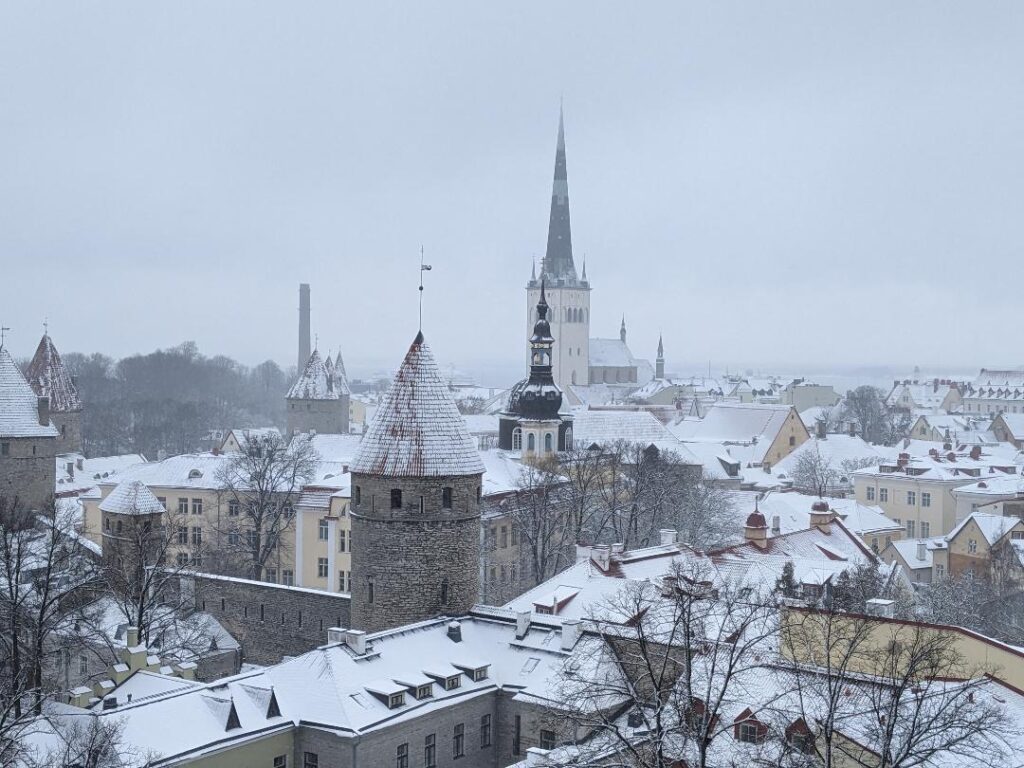
Estonia, a pioneer in e-residency and digital innovation, offers a 1-year digital nomad visa (plus 6-month extension) that’s ideal for tech-savvy nomads. The higher income requirement (€3,500/month) reflects Estonia’s strong digital infrastructure.
- Tax Info: Taxed if residing more than 183 days, otherwise exempt
- Family Friendly: No, only main applicant is eligible
- Highlights: Seamless e-residency program for easy business setup and a vibrant startup scene
- Insider Tip: Secure strong health insurance to support your application.
For more off-the-beaten-path gems in Europe, take a look at our adventures in the Baltic States:
- 10-Day Baltic States Itinerary
- Tallinn, Estonia – the most beautiful city in Europe
- Tallinn, Estonia to Helsinki Day Trip
- Things to Do in Riga, Latvia
Croatia – Digital Nomad Visa
Croatia’s one-year visa provides nomads with an incredible lifestyle on the Adriatic coast. It requires a €2,500/month income and includes access to public healthcare after registration during the visa period.
- Tax Benefits: 0% local tax on foreign income
- Family Friendly: Yes
- Highlights: Stunning coastline, growing digital nomad communities in Split and Dubrovnik
- Insider Tip: Explore coworking spaces in coastal cities for networking opportunities.
Thailand – Long-Term Resident (LTR) Visa
Thailand’s new LTR visa is one of the longest duration options available for digital nomads, offering 5–10 years residency. The income or asset requirement is higher at $80,000/year or substantial assets but comes with significant benefits.
- Tax Info: Flat 17% tax rate
- Family Friendly: Yes
- Highlights: Access to beautiful beaches, rich culture, and a thriving nomad scene in Bangkok and Chiang Mai
- Insider Tip: The visa targets executives, investors, and remote professionals — plan your finances accordingly.
If you are looking for inspiration to make the move to work as a digital nomad in Thailand, just look at what our average work day looks like as digital nomads in Koh Lanta!
We’ve been traveling full-time as the Happy Irish Wanderers for over three years now, with a significant part of our journey spent exploring the vibrant beauty of Thailand.
Dive into some of our related articles below and start uncovering the best destinations in Southeast Asia.
- 5 Best Places in Thailand you have never heard of until now
- Koh Lanta Travel Guide – the best island in Thailand
- The best Thailand Islands for first-time visitors?
- 3-week Thailand Itinerary – the best of Thailand
Colombia – Digital Nomad Visa
Colombia’s digital nomad visa is perfect for budget-conscious remote workers. With a low minimum income requirement (~$750/month) and a 2-year visa, Colombia offers vibrant culture and an affordable lifestyle.
- Tax Benefits: No income tax if stay is under 183 days
- Family Friendly: Yes
- Highlights: Great food, warm climate, and growing nomad hotspots in Medellín and Bogotá
- Insider Tip: Learn basic Spanish to enhance your experience and integration.
Mauritius – Premium Travel Visa
Mauritius’ Premium Travel Visa grants a 1-year stay with the possibility to renew. The island nation appeals with its tropical environment, no foreign income tax, and low minimum income requirement.
- Min. Income: $1,500/month
- Tax Info: No tax on foreign income
- Family Friendly: Yes
- Highlights: Beachfront living, excellent healthcare, and a peaceful lifestyle
- Insider Tip: Ideal for digital nomads seeking tranquility and natural beauty.
Georgia – “Remotely from Georgia” Program
Georgia’s innovative program offers a 1-year stay with no visa fees and no tax on income earned abroad (if residing less than 183 days). The minimum income is around $2,000/month.
- Family Friendly: No
- Highlights: Stunning landscapes, safety, and low cost of living
- Insider Tip: Georgia’s capital, Tbilisi, is becoming a hotbed for nomads and startups.
Albania – Unique Permit for Digital Nomads
Albania’s unique permit is one of the most budget-friendly options in Europe, with a low monthly income requirement of approximately €817 ($890 USD) and a renewable 1-year permit.

As of September 2025, non-EU remote workers can apply for a 1-year renewable Digital Nomad Permit with a minimum annual income of around €9,000, while EU citizens can stay freely and only need to register if staying longer than 90 days.
With low living costs, beautiful coastlines, and growing remote work hubs in Tirana and Saranda, Albania offers a budget-friendly European base for nomads.
- Tax Info: Low and flexible tax options depending on residency and structure
- Family Friendly: Yes
- Highlights: Beautiful coastlines, affordability, and growing remote work hubs in Tirana and Saranda
- Insider Tip: Albania is a great option for nomads looking for an off-the-beaten-path European base.
At the time of writing, we have been residing in Albania for 6 months, enjoying life as digital nomads in this hidden gem of Europe.
Check out some of the related articles to discover the best of Albania:
- Best things to do in Tirana
- Discover the Best Coastal Towns in Albania
- Albania in March: Why off-season was perfect for us
- Best things to do for one day in Vlore
How to Choose the Right Digital Nomad Visa for You
With so many options available, picking the best digital nomad visa can feel overwhelming. Here’s a simple, effective decision framework to find the perfect fit based on your lifestyle, budget, and goals.
Step 1: Define Your Priorities
- Duration: Do you want a short 6–12 month stay or a long-term 2–5 year visa?
- Income: Can you meet higher minimum income requirements (e.g., Estonia or Portugal) or do you prefer more affordable options (e.g., Colombia or Albania)?
- Family: Are you traveling alone or with dependents? Some visas allow families, others don’t.
- Tax Considerations: Do you want low or no local taxes on your income?
- Location Preferences: Do you want to be in Europe, Asia, Latin America, or somewhere tropical?
- Lifestyle: City buzz, beach vibes, cultural immersion, or nature escapes?
Step 2: Check Eligibility & Requirements
- Review official government websites for the most up-to-date visa requirements.
- Ensure your remote work situation fits visa rules (no local employment in many countries).
- Verify proof documents: income statements, health insurance, clean criminal record, and accommodation.
Step 3: Compare Costs & Benefits
When choosing a digital nomad visa, it’s important to weigh both costs and benefits. Look at the application fees, minimum income requirements, visa duration, tax obligations, and any extra perks such as healthcare coverage or allowances for family members.
Here’s a simple overview of some popular options to consider:
- Estonia: €100, 12 months – EU access, remote work-friendly
- Portugal: €83, 1 year – flexible stay, travel within the EU
- Colombia: ~$500, 12 months – affordable, tropical lifestyle
- Albania: ~€200, 1 year – easy process, low cost
Balancing these factors against your priorities will help you pick the digital nomad visa that best fits your lifestyle and budget.
Step 4: Prepare Your Application Package
- Collect official income proof (bank statements, contracts)
- Secure valid health insurance that meets visa requirements
- Gather clean criminal record certificates if needed
- Provide proof of accommodation (rental contract, hotel bookings)
Step 5: Submit & Follow Up
- Apply through the country’s consulate, embassy, or official online portal
- Track your application status carefully
- Be ready to provide additional documents or attend an interview
Pro Tips for a Successful Digital Nomad Visa Application
- Start early: Processing can take weeks to months depending on the country
- Use professional help: Consider consulting visa specialists for complex cases
- Keep copies: Always keep digital and printed copies of all submitted documents
- Plan financially: Account for application fees, travel, and emergency funds
- Network with locals and expats: Online forums and social media groups provide valuable insights
Step-by-Step Guide: How to Apply for a Digital Nomad Visa
Applying for a digital nomad visa might seem daunting, but with the right approach, you can navigate the process smoothly. Here’s a clear, stepwise roadmap to help you secure your remote work visa successfully.
Step 1: Research Your Target Country’s Visa Requirements
- Visit the official government or immigration website of the country you want to move to.
- Download or bookmark the official digital nomad visa guidelines and application forms.
- Confirm eligibility criteria like minimum income, passport validity, health insurance, and criminal record checks.
- Check visa fees and processing times.
Step 2: Prepare Your Documentation
Typical documents required include:
- Proof of Remote Work: Contract, employer letter, or proof of self-employment/freelance income.
- Minimum Income Proof: Bank statements, invoices, tax returns showing you meet the financial threshold.
- Health Insurance: Valid insurance covering your stay, often including COVID-19 coverage.
- Passport: Valid for at least 6 months beyond your intended stay.
- Accommodation Proof: Rental agreement, hotel bookings, or invitation letter.
- Background Check: Clean criminal record certificate, often from your country of residence.
Step 3: Complete the Application Form
- Fill out the visa application form carefully and truthfully.
- Double-check spelling and data consistency with your documents.
- Some countries offer online application portals—use them to speed up processing.
Step 4: Submit Your Application
- Submit your documents according to the country’s guidelines (online, mail, or in-person at consulate/embassy).
- Pay the visa application fee as specified.
- Keep copies of all submitted documents and payment receipts.
Step 5: Attend an Interview or Biometric Appointment (if required)
- Some countries require a short interview or biometric data (fingerprints, photo).
- Dress professionally and prepare to answer questions about your work and plans.
- Bring originals of all documents for verification.
Step 6: Wait for Processing and Stay Updated
- Processing times vary from 2 weeks to 3 months—check official timelines.
- Use any tracking number or portal provided to monitor your application status.
- Be patient but proactive—follow up politely if delays exceed normal times.
Step 7: Receive Your Visa and Plan Your Arrival
- Once approved, confirm visa validity dates and entry conditions.
- Make travel arrangements accordingly.
- Prepare to register with local authorities after arrival if required.
Common Pitfalls to Avoid
- Missing or inconsistent documentation
- Not meeting minimum income or insurance requirements
- Applying too close to your planned travel date
- Ignoring local rules on work restrictions
- Forgetting to renew on time
👉 Keep a checklist and set reminders for deadlines. Being organized is your best tool to get your digital nomad visa hassle-free!
Top Destinations for Digital Nomads: Where to Live and Work
Securing a digital nomad visa is just the first step – choosing the perfect city to live and work in is equally important. Here are some of the hottest destinations, each offering unique vibes, excellent infrastructure, and thriving remote work communities.
Barcelona, Spain
Barcelona combines rich culture, Mediterranean beaches, and a buzzing tech scene. It’s one of Europe’s most popular nomad hubs, thanks to:
- Fast, reliable internet with numerous coworking spaces
- A vibrant social scene blending work and play
- Relatively affordable living compared to other Western European cities
- Great public transport and international airport access
Lisbon, Portugal
Lisbon remains a magnet for digital nomads seeking a mild climate and welcoming community. Highlights include:
- Affordable apartments and coworking spots
- Active nomad meetups and networking events
- Rich history paired with modern amenities
- Easy travel throughout Europe from Lisbon Airport
Split & Dubrovnik, Croatia
For those who want to combine work with stunning Adriatic coastlines:
- Growing coworking communities in Split and Dubrovnik
- Low to moderate living costs compared to Western Europe
- Beautiful weather, beaches, and outdoor lifestyle
- Free public healthcare access for digital nomads
Bangkok & Chiang Mai, Thailand
Thailand offers a dynamic urban experience in Bangkok and a laid-back vibe in Chiang Mai:
- Ultra-fast internet and plenty of coworking cafes
- Budget-friendly living costs with high quality of life
- Diverse food culture and vibrant nightlife
- Warm, tropical weather year-round
👉 Check out the 6 best day trips from Bangkok to keep you entertained while working as a digital nomad in Bangkok.
Medellín, Colombia
Known as the “City of Eternal Spring,” Medellín is perfect for nomads craving a mix of culture, climate, and affordability:
- Comfortable weather year-round
- Affordable rent and food costs
- Expanding digital nomad community
- Friendly locals and rich cultural scene
Mauritius
An island paradise for those craving beach life with modern comforts:
- High-speed internet available in key towns
- Low taxes and relaxed lifestyle
- Beautiful beaches, hiking, and water sports
- English widely spoken and friendly expat community
Tbilisi, Georgia
Tbilisi blends ancient charm with modern energy:
- Low cost of living with quality amenities
- Growing number of cafes and coworking spaces
- Friendly locals and welcoming to foreigners
- Stunning nearby mountains for weekend escapes
Tirana, Albania
Tirana is a hidden gem for budget-conscious nomads:
- Very affordable housing and living costs
- Developing coworking and startup scenes
- Vibrant nightlife and cultural festivals
- Access to beaches and mountains within driving distance
👉 Read how we get on living in Albania as digital nomads for under $40/ day
Choosing Your Perfect Nomad City
When picking your base as a digital nomad, consider:
- Internet speed and reliability
- Cost of living vs your budget
- Community and networking opportunities
- Safety and healthcare quality
- Climate and lifestyle preferences
👉 If you are a digital nomad interested in sustainable travel, check out our Ultimate Guide to Eco‑Friendly Destination Dupes in Europe
Essential Tools & Resources for Digital Nomads
Making the most of your digital nomad lifestyle means having the right tools at your fingertips. From managing visas and finances to finding accommodation and staying productive, these resources are game-changers for remote workers on the move.
1. Visa & Travel Resources
- Nomad List — Comprehensive database of cities ranked by cost, internet speed, safety, and nomad friendliness.
- Official Government Websites — Always check the country’s official immigration portals for the latest visa rules and application procedures.
- Schengen Visa Info — For nomads planning multi-country stays in Europe, this site explains the Schengen rules clearly.
- Omio or Trip.com— Plan your travel routes easily between cities worldwide with detailed transport options.
2. Accommodation Platforms
- Airbnb — Flexible short- and long-term rentals worldwide, perfect for nomads seeking comfortable stays.
- Trip.com — Great for hotels, guesthouses, and longer stays with flexible cancellation policies.
- Nomad Stays — A platform dedicated to remote workers offering work-friendly accommodations with reliable internet.
- Facebook Groups — Local housing groups often have the best deals and community advice.
3. Productivity & Collaboration Tools
- Trello / Asana — Organize projects and tasks with intuitive boards and timelines.
- Slack / Microsoft Teams — Stay connected with remote teams via chat, calls, and file sharing.
- Notion — An all-in-one workspace for notes, docs, databases, and collaboration.
- Time Zone Converter — Essential for scheduling meetings across different time zones.
4. Finance & Banking
- Wise (formerly TransferWise) — Low-cost international money transfers and multi-currency accounts.
- Revolut — Digital banking with great currency exchange rates and budgeting tools.
- Payoneer — Ideal for freelancers and businesses receiving payments globally.
- Expensify — Simplify tracking expenses and generating reports on the go.
5. Health & Safety
- World Nomads Insurance — World Nomads Insurance is our go-to and top-rated travel insurance.
- First Aid Apps — Apps like Red Cross First Aid provide quick guidance during emergencies.
6. Networking & Community
- Meetup – Find local events, workshops, and nomad meetups in your city.
- Remote Work & Digital Nomad Facebook Groups – Engage with fellow nomads, share tips, and find collaboration opportunities.
- Coworker – Discover coworking spaces worldwide, with reviews and amenities listed.
- LinkedIn – Build your professional network and stay connected with remote job opportunities.
Bonus Tip: Keep a Digital Nomad Journal or Blog! Documenting your journey helps with reflection, connecting with other nomads, and even building an audience or business around your lifestyle.
Tips for Making the Most of Your Digital Nomad Experience
Living and working abroad as a digital nomad is an incredible adventure — but it comes with unique challenges and opportunities. Here are expert tips to help you thrive both personally and professionally while exploring the world.
1. Embrace Local Culture
- Learn basic phrases of the local language – even a simple “hello” or “thank you” goes a long way.
- Try local food and traditions to deepen your experience and build connections.
- Attend community events, markets, or festivals to immerse yourself beyond tourist spots.
👉 If you plan to visit Ireland, make sure to check out these easy Irish phrases to know to help you survive your trip!
2. Create a Routine That Works
- Establish a consistent work schedule to maintain productivity and avoid burnout.
- Build in breaks for exploration – a short walk, a coffee break, or sightseeing can recharge your creativity.
- Use tools like Pomodoro timers or time-blocking apps to balance work and leisure.
3. Prioritize Your Mental Health
- Loneliness can be tough; stay connected with family and friends through video calls.
- Join local or online nomad communities to make friends and find support.
- Practice mindfulness, meditation, or physical exercise regularly to reduce stress.
👉 Learn from our expert advice about how to maintain a healthy relationship while traveling full-time.
4. Set Up a Comfortable Workspace
- Find quiet cafes, coworking spaces, or create a dedicated nook in your accommodation.
- Invest in good headphones, a portable laptop stand, and a reliable power bank.
- Make sure your workspace has strong, stable internet – it’s your lifeline!
5. Manage Your Finances Wisely
- Keep track of your income and expenses using apps like Expensify or Mint.
- Always have an emergency fund for unexpected expenses or travel delays.
- Be aware of tax obligations in your home country and where you’re staying.
6. Stay Safe and Healthy
- Keep copies of important documents digitally and physically.
- Stay informed about local health advisories and have travel insurance that covers remote work.
- Follow basic safety rules like avoiding risky areas at night and safeguarding your devices.
7. Keep Learning and Growing
- Take online courses or attend local workshops to develop new skills.
- Network actively – you never know where your next project or collaboration might come from.
- Document your journey through blogging, vlogging, or journaling — it can open doors professionally and personally.
Living the digital nomad dream takes courage, adaptability, and smart planning – but with these tips, you’re set to make it an unforgettable chapter of your life.
Motivational Quotes
“Travel isn’t always pretty. It isn’t always comfortable. Sometimes it hurts, it even breaks your heart. But that’s okay. The journey changes you; it should change you.”
— Anthony Bourdain
“Don’t listen to what they say. Go see.”
— Chinese Proverb
“Jobs fill your pocket, but adventures fill your soul.”
— Jaime Lyn Beatty
👉 Check out our favorite motivational travel quotes to inspire your digital nomad journey.
Planning Your Digital Nomad Journey: Checklist & Timeline
Becoming a successful digital nomad doesn’t happen overnight. To make your transition smooth, follow this step-by-step timeline and checklist that guides you from decision to departure and beyond.
3–6 Months Before Departure
- Research destinations and digital nomad visas — Narrow down your options based on lifestyle, budget, and visa eligibility.
- Check passport validity — Renew if it’s expiring within 6 months of travel.
- Start saving — Build an emergency fund covering at least 3–6 months of living expenses.
- Notify your employer or clients — If working remotely, clarify your plans and time zone differences.
- Plan your finances — Set up international-friendly banking (Wise, Revolut) and track your budget.
2–3 Months Before Departure
- Gather visa application documents — Income proof, health insurance, accommodation, background checks.
- Apply for your digital nomad visa — Allow plenty of processing time and track your application status.
- Book flights and accommodation — Aim for refundable or flexible options initially.
- Arrange health insurance — Choose a plan covering your new country and activities.
- Inform family and friends — Share your itinerary and emergency contacts.
1 Month Before Departure
- Pack smart — Prioritize essentials: tech gear, chargers, adapters, comfortable clothes.
- Set up workspace gear — Portable laptop stand, noise-canceling headphones, power bank.
- Download essential apps — VPN, language learning, offline maps, finance trackers.
- Backup important documents digitally — Scan passports, visas, insurance papers.
- Notify banks and credit card companies — Prevent your cards from being blocked abroad.
1 Week Before Departure
- Confirm visa approval and travel documents — Double-check dates and requirements.
- Prepare your home for absence — Hold mail, pay bills, set up auto-responders.
- Plan your arrival transport — Airport transfers or local SIM card pickup.
- Relax and mentally prepare — Meditate, journal, or visualize your exciting journey ahead.
After Arrival
- Register with local authorities (if required) — Complete any residency paperwork promptly.
- Find coworking spaces and local nomad communities — Start building your network.
- Explore your new city — Balance work with discovery and cultural immersion.
- Stay organized — Keep a calendar for visa renewals, tax deadlines, and travel plans.
- Maintain health routines — Find local gyms, parks, or wellness centers.
FAQ: Digital Nomad Visas
1. What is a digital nomad visa?
A digital nomad visa allows remote workers to legally live in a country while working for clients or employers based abroad, usually for 6–24 months or longer.
2. Do I have to pay tax in the country I move to?
It depends. Many countries only tax you if you stay more than 183 days, while others offer special regimes or exemptions for foreign-earned income. Always check local tax rules before applying.
3. Can I bring my family with me?
Yes, many digital nomad visas allow spouses and dependent children to join you, provided you meet higher income or insurance requirements.
4. Is a digital nomad visa the same as permanent residency?
No. Most digital nomad visas are temporary, but some countries (like Portugal or Spain) offer pathways to longer-term residency if you later switch visas.
5. Which country has the easiest digital nomad visa to get?
Countries like Albania, Croatia, Colombia, and Georgia are often considered the easiest due to lower income requirements, simpler applications, and flexible tax rules.
Ready to Start Your Digital Nomad Journey?
Becoming a digital nomad means unlocking the freedom to work remotely while exploring some of the world’s best destinations. Whether you’re applying for a digital nomad visa in Portugal, Spain, Croatia, or any of the top countries we covered, proper planning is key to a successful remote work lifestyle abroad.
By choosing the right digital nomad visa, researching nomad-friendly cities, and following our comprehensive checklist, you can create a balanced life of productivity and adventure. From coworking spaces in Lisbon to beachfront cafes in Barbados, the perfect remote work destination is waiting for you.
Start your journey today and join thousands of remote workers building sustainable careers while travelling the globe. The world is your office – make this year you take your remote work to new heights!
Feel free to leave a message below or contact us on our socials.
Slán go fóil


This post contains affiliate links. If you click on the links to make a purchase, we will earn a small commission. This is at NO EXTRA COST to you. This is a free way to support us and allow us to continue to create inspiring adventure travel guides.